


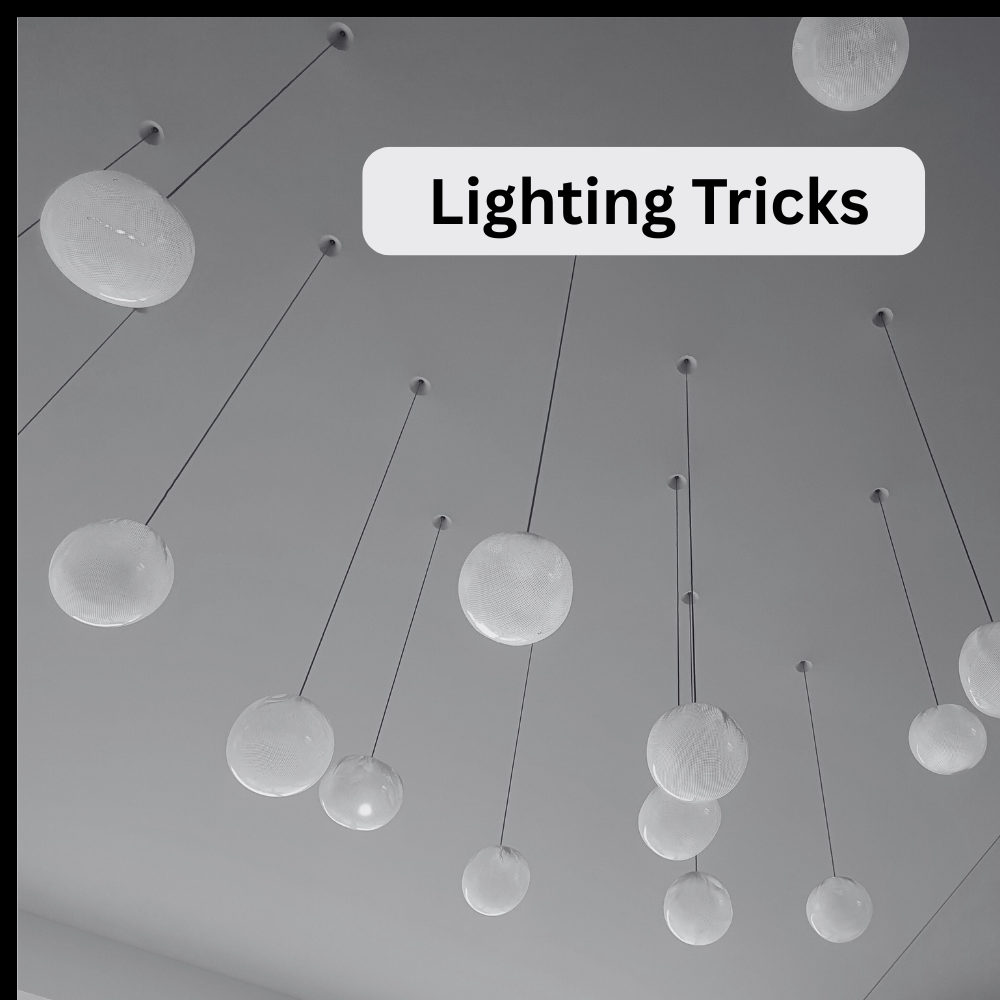
Lighting Tricks: 10 Fundamentals Every Space Needs in 2026
Light defines how spaces feel long before architecture, materials or furniture are consciously perceived. It shapes orientation, atmosphere and identity. In 2026, good lighting is not about more technology, but about clearer principles. The following ten fundamentals form a solid foundation for meaningful, long-lasting lighting design.
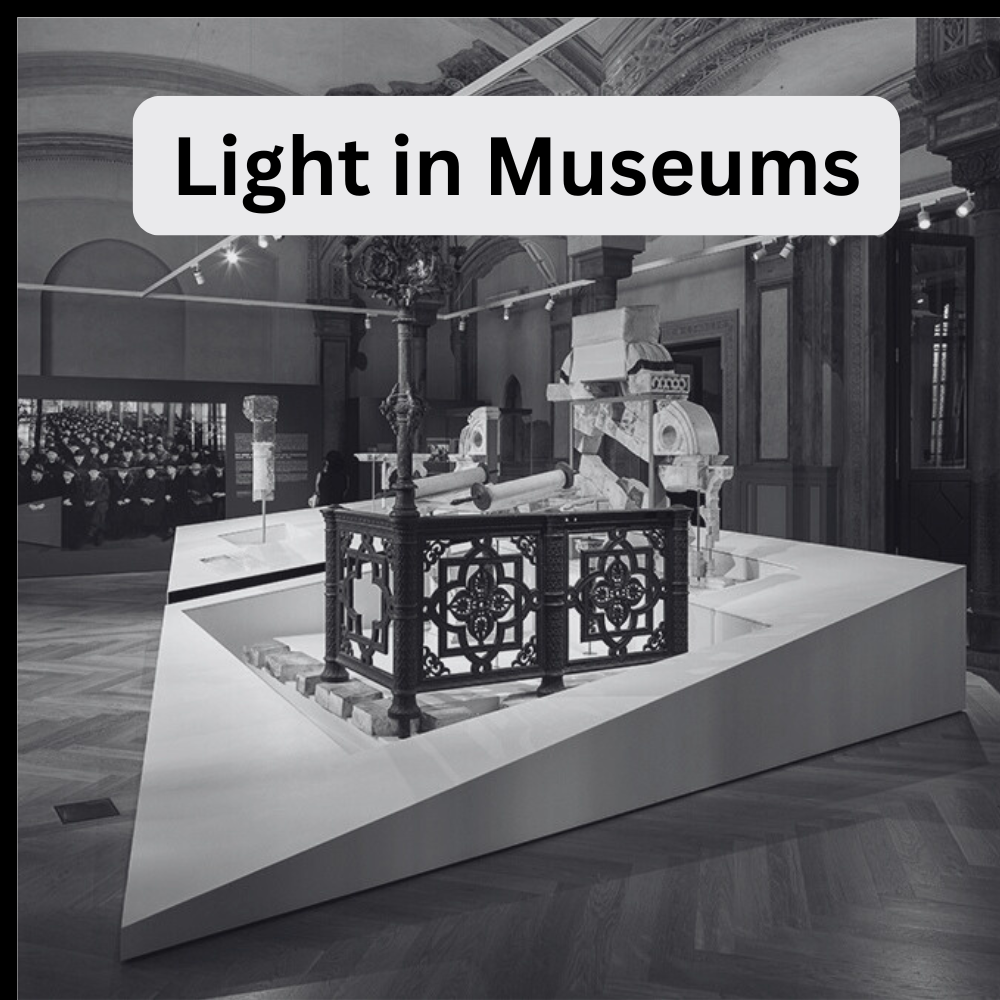
Museum lighting: light between memory, architecture, and the exhibit
Museum lighting always operates in the tension between atmosphere, conservation, and visitor guidance. Light determines how intensely exhibits are experienced, how historical spaces are perceived, and how easily visitors can orient themselves. For us, museum lighting means allowing architecture, the collection, and the curatorial idea to merge into a shared lighting narrative.

Gallery lighting: light as a silent curator
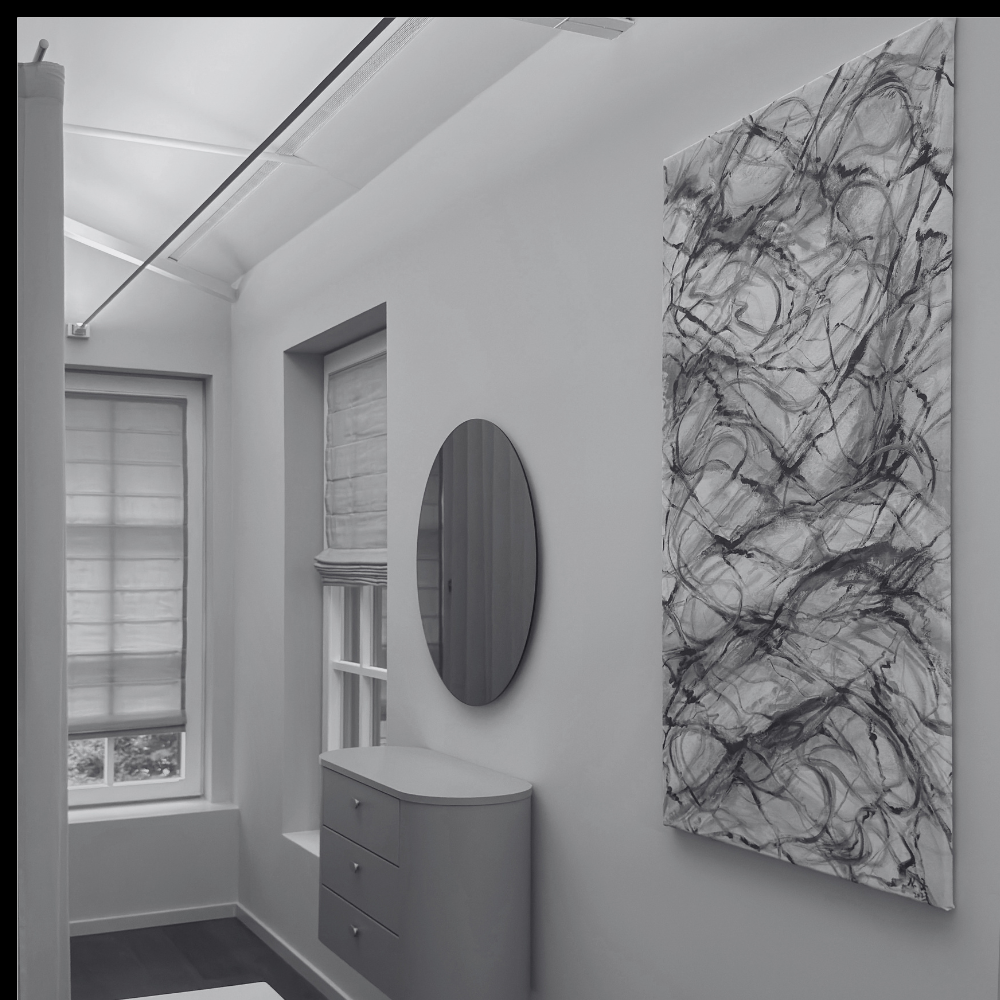
Gallery lighting determines whether art is merely visible – or truly moving. Light guides the gaze, shapes spaces, and influences how long people linger in front of a work. For us, gallery lighting means connecting architecture, curation, and perception in a way that creates an independent visual narrative.

Light at Workplace: Balancing Productivity and Wellbeing
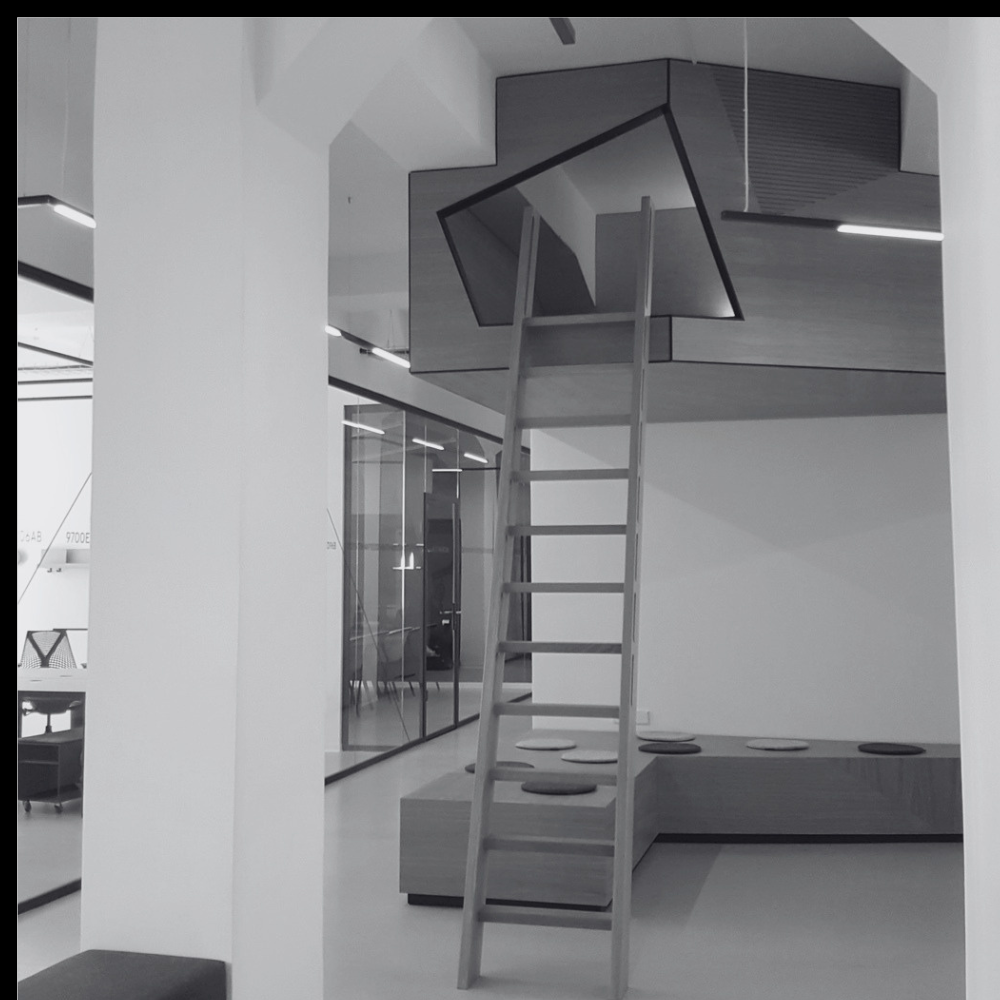
As lighting designers based in Berlin and Antwerp, we create concepts that go far beyond compliance. Our mission is to design workplaces that enhance productivity, support health, and express a company’s identity.
💡 Lighting influences far more than visibility. It shapes perception, regulates the circadian rhythm, and contributes significantly to wellbeing. While regulations define minimum requirements, in practice, thoughtful lighting design can boost motivation, creativity, and health.
