

Intelligent Lighting Systems Compared
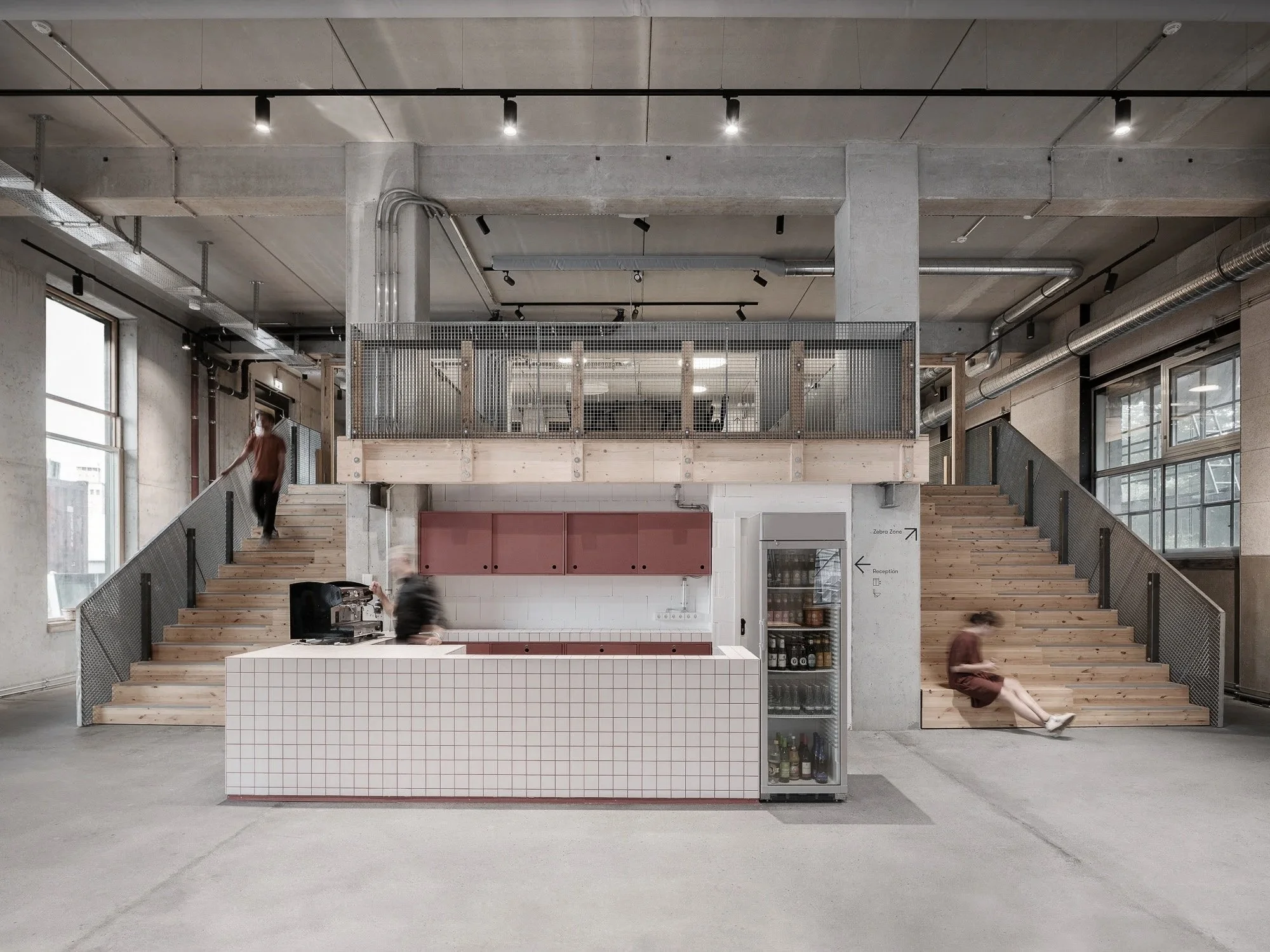
Light today can do more than simply switch on and off.
It can respond.
It can adapt to different forms of use.
It can reduce energy consumption.
It can make spaces easier to understand and navigate.
But this is exactly where the real question begins:
Which system fits which project?
Because intelligent lighting systems are not automatically intelligently planned. A system can be technically advanced and still become too rigid, too complex, or not sustainable enough within the wrong context.
Why Intelligent Lighting Systems Are Becoming More Important
Modern buildings need flexibility.
Hotels change their use throughout the day. Offices need to respond to hybrid working models. Hospitality spaces depend on clear zoning. Private living spaces combine comfort, energy efficiency, and individuality.
Intelligent lighting systems help to think about light not as something static, but as a controllable tool.
This means:
• light can be dimmed and grouped
• scenes can be stored and recalled
• sensors can integrate daylight and movement
• energy consumption can be reduced
• maintenance and monitoring become easier
• spaces can be adapted to new uses over the long term
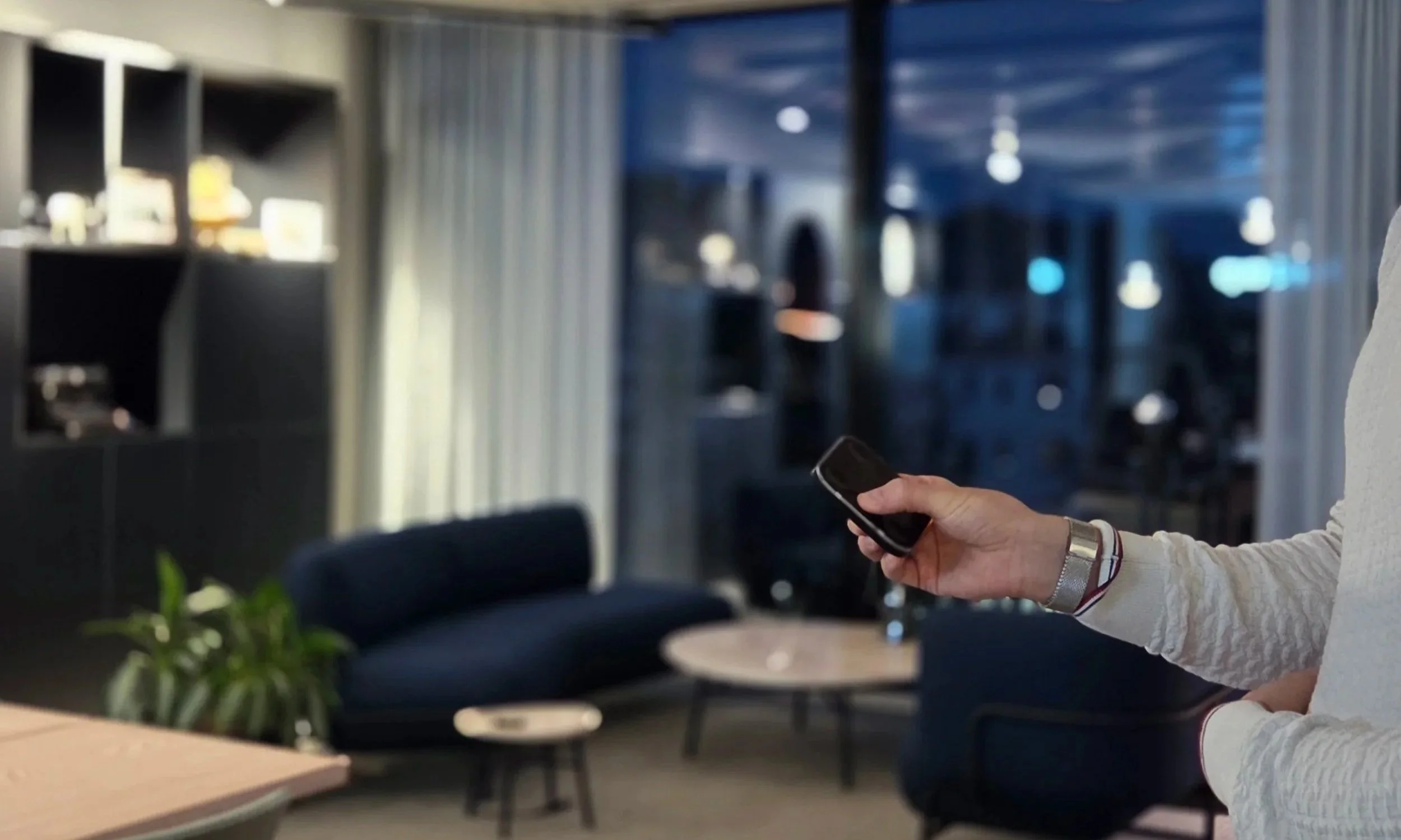
DALI is considered an internationally standardized protocol for digital lighting control that enables robust, scalable, and flexible lighting networks. Casambi, on the other hand, is based on Bluetooth Low Energy and a wireless mesh network specifically developed for lighting control. KNX is broader in scope and connects lighting with additional building functions such as shading, climate control, or security.
The Most Important Difference
Not every smart lighting system is designed for professional lighting planning.
That is the central point.
Philips Hue can be very intuitive for private living spaces, small setups, or decorative applications. For larger projects, however, it is often less suitable because you work more strongly within a closed system. In the long term, this can make interchangeability, expandability, and sustainable planning more difficult.
In professional projects, the question is not only whether a lighting system works today.
The question is whether it can still be meaningfully maintained, expanded, and adapted in five, ten, or fifteen years.
| System | Strength | Weakness | Suitable for | Studio De Schutter Assessment |
|---|---|---|---|---|
DALI / DALI 2 |
Very stable, professional standard, well suited for larger projects. | Planning and wiring need to be considered early in the process. | Hotels, offices, public buildings, retail, and hospitality. |
Very strong for professional architectural projects. Especially valuable for longevity and maintainability. |
Casambi |
Wireless, flexible, quickly adaptable, and ideal for refurbishment projects. | Wireless network planning must be carefully evaluated. | Existing buildings, hospitality, small to medium projects, and flexible spatial concepts. |
Very interesting for flexible projects. Well suited when design flexibility is important. |
KNX |
Holistic building automation for lighting, climate, shading, and security. | Higher planning complexity and a stronger system oriented approach. | High end residential projects, office buildings, and smart buildings. |
Strong when lighting is part of a larger building concept. Ideal for interconnected buildings. |
Philips Hue |
Very simple, intuitive, and quickly installed. | More of a consumer system and less flexible for larger professional projects. | Apartments, small private applications, and decorative lighting scenes. |
Good for simple private applications. Rarely the first choice for sustainable professional lighting design. |
Loxone |
Good integration of lighting, shading, audio, security, and automation. | Stronger dependency on its own system ecosystem. | Smart homes, smaller commercial projects, and automated buildings. |
Useful within a closed overall system. Comfortable, but less open. |
Zigbee / Matter |
Good interoperability within the smart home sector. | Less suitable as a standalone professional lighting planning system. | Smart homes, product integration, and smaller applications. |
Relevant as an interface technology. But not a replacement for a complete lighting strategy. |
Which System Is the Best?
The honest answer:
It depends on the project.
For a hotel, DALI can be the right foundation.
For an existing building, Casambi can create a lot of freedom.
For a smart building, KNX can make sense.
For a private apartment, Hue can be sufficient.
For an automated residential house, Loxone can be the right fit.
The better question therefore is not:
Which system is the smartest?
But rather:
Which system remains meaningful in the long term?
What We Focus on at Studio De Schutter
A good intelligent lighting system needs to do more than provide technical controllability.
We mainly evaluate:
• How open is the system?
• How easily can components be replaced?
• How well does it fit the architecture?
• How maintainable is it in the long term?
• How much control does the user actually receive?
• How energy efficient is the system?
• How flexible does the project remain for future changes?
Because sustainability is not created through efficient LEDs alone.
It is also created through systems that do not need to be replaced after only a few years.
Conclusion
Intelligent lighting systems are not an end in themselves.
They are powerful when they support architecture, simplify use, and remain flexible in the long term.
DALI stands out through professional stability.
Casambi through flexible wireless planning.
KNX through holistic building connectivity.
Loxone through comfortable automation.
Philips Hue through simple private application.
But the best solution is never created through the name of a system alone.
It is created through the right decision in the right space.
Studio De Schutter develops lighting concepts that bring together technology, design, and sustainability. For spaces that do not simply function, but can be precisely guided, used, and experienced.

Contact Us:
