

Loft Lighting: Lighting Design for Industrial Architecture
A loft is not a conventional living space.
High ceilings. Large windows. Exposed concrete. Steel beams. Open floor plans.
Architecture that was originally designed for industry becomes a place to live. And this is exactly where lighting determines whether a loft simply feels large or truly gains atmosphere.
Because a loft does not need “bright light.”
It needs a precise lighting strategy.
Making the Volume of the Space Visible
In conventional apartments, architecture defines and limits the space. In a loft, the opposite is true.
The space is large, open, and often several meters high.
When light only comes from above, a common effect quickly appears: the floor is bright, while the space above disappears into darkness.
This is why good loft lighting begins by making the volume of the space visible.
Typical elements in a lighting concept include:
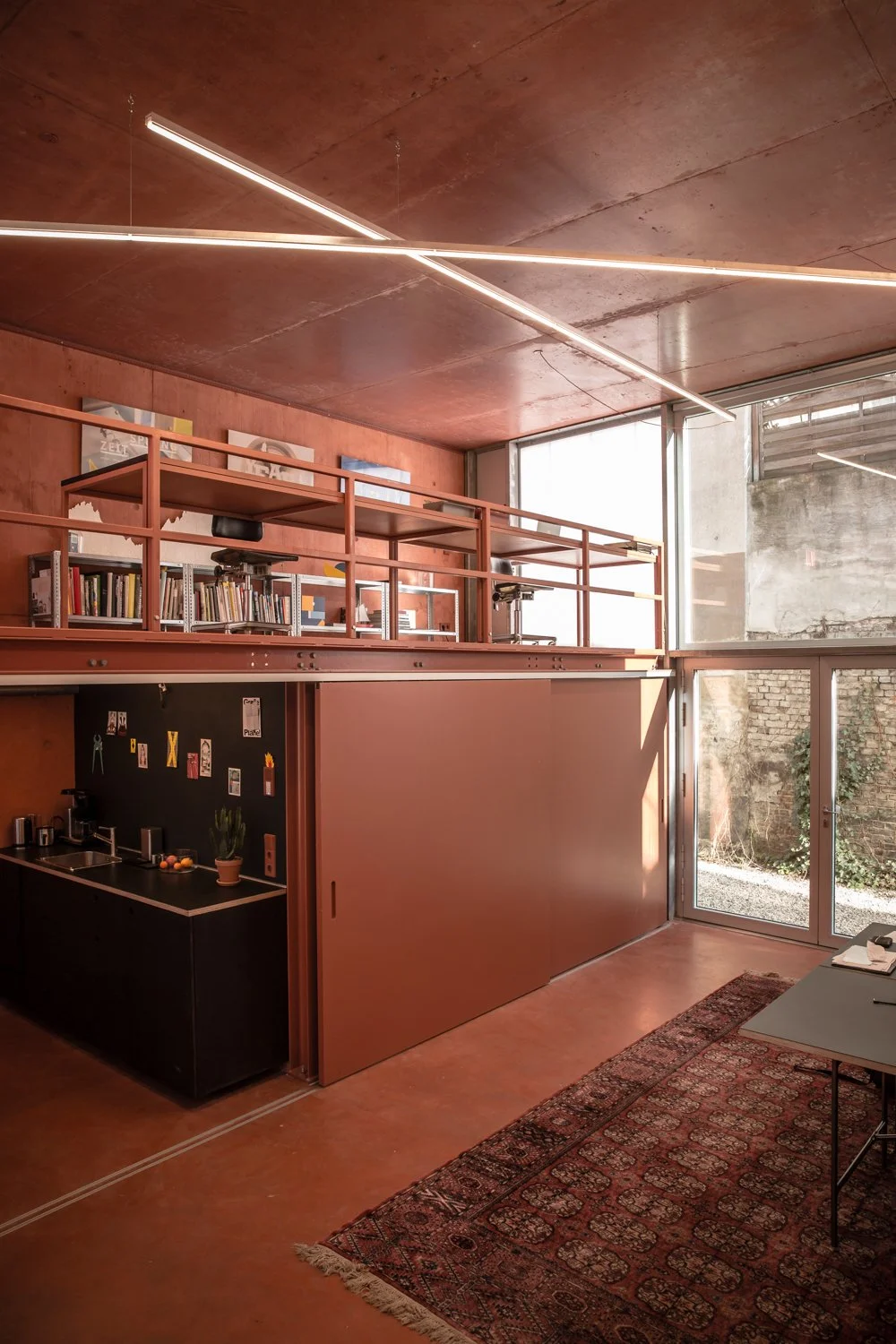
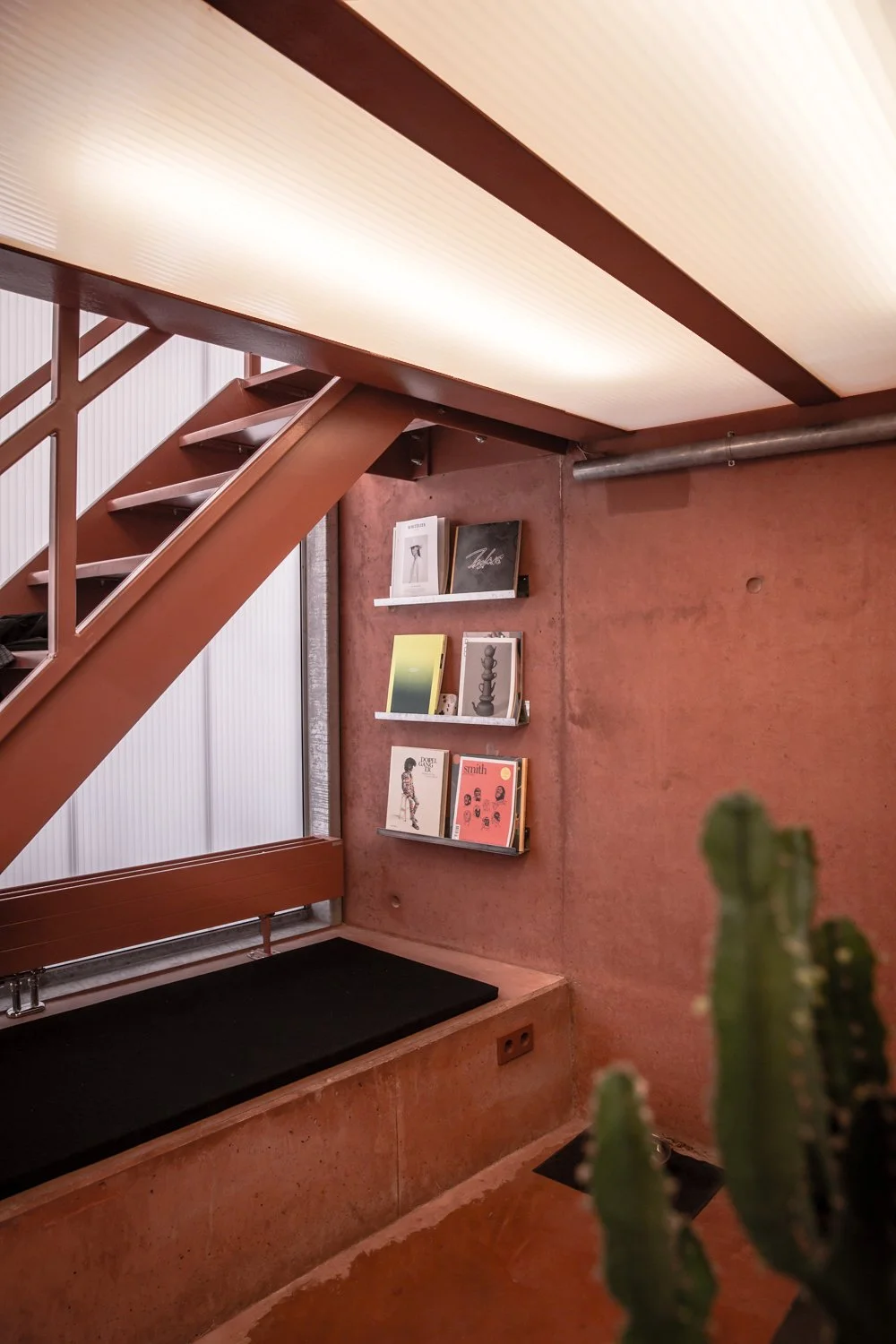
• light lines along steel beams
• indirect light on high walls
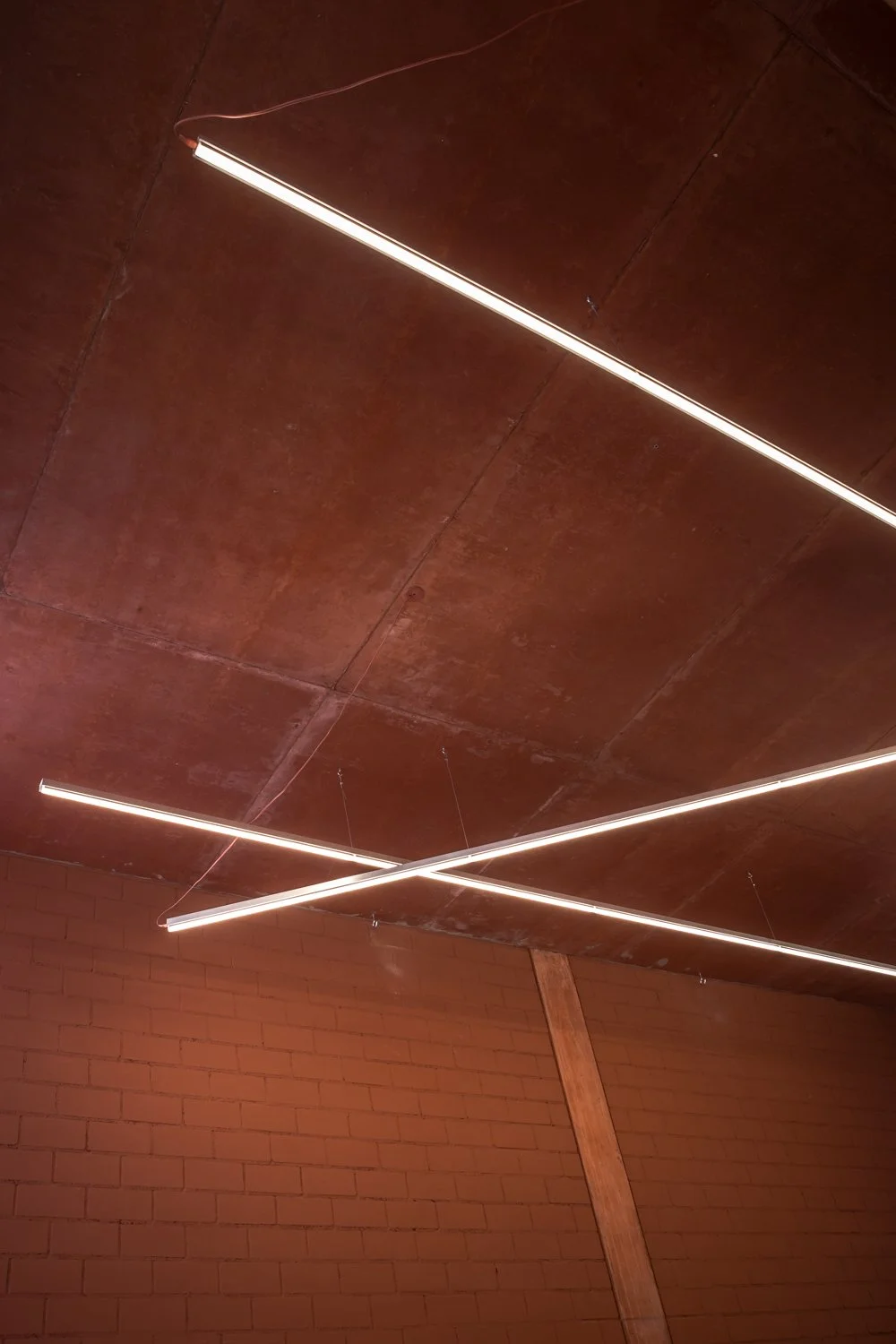
• linear profiles along the ceiling
• grazing light that reveals concrete surfaces
The goal is not simply brightness.
It is about making the architecture readable.
Light does not only reveal spaces.
It explains them.
Zones Instead of Rooms
Lofts rarely have traditional rooms.
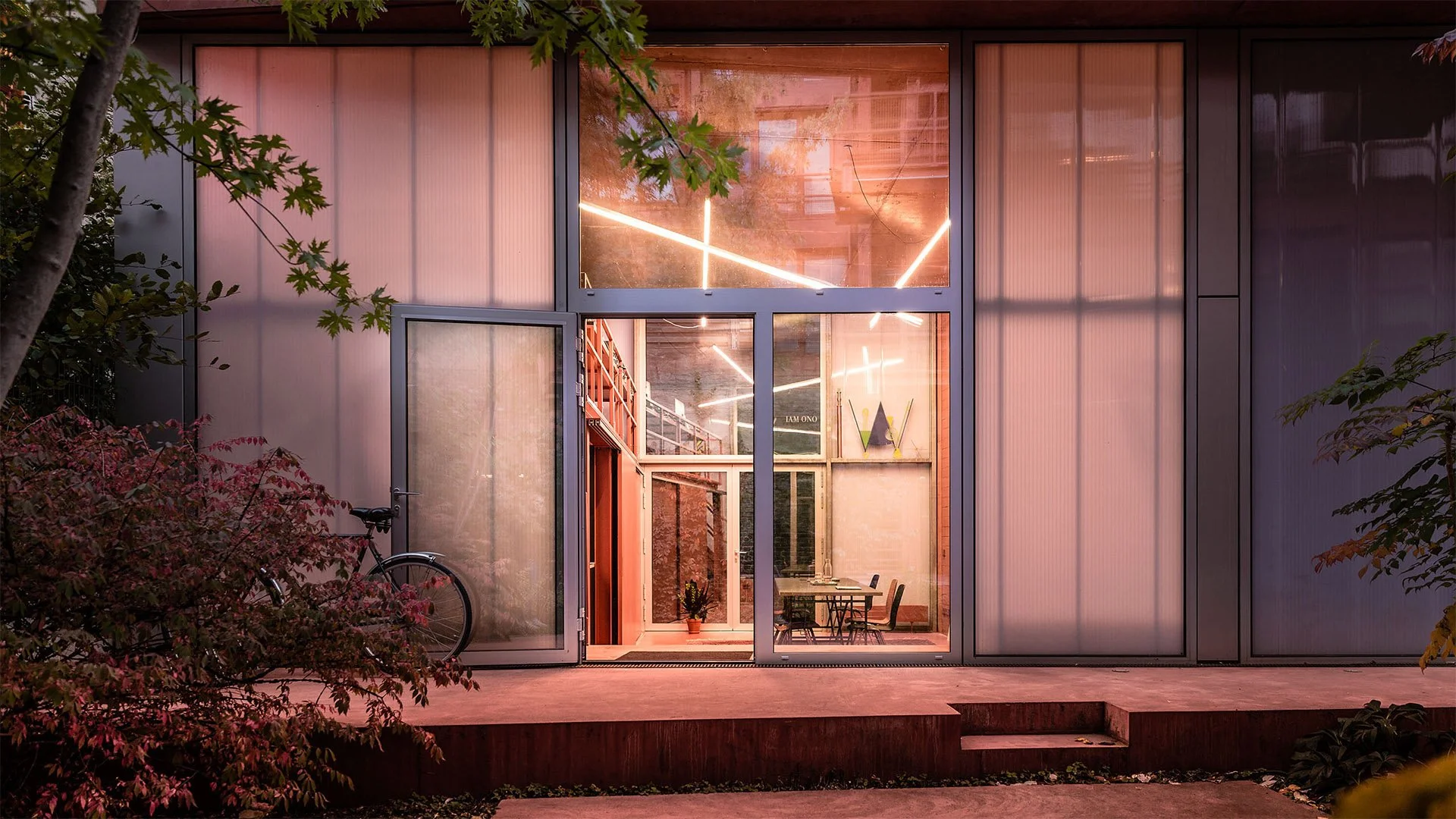
Instead, different functions emerge within one large space.
Cooking. Working. Eating. Relaxing. Showering.
Light helps define these areas without the need for walls.
Typical lighting zones in a loft include:
Work area
• precise spots
• directional light
• clear brightness
Dining area
• a large pendant light
• warm light
• focus on the table
Living area
• indirect light
• wall luminaires
• calm light surfaces
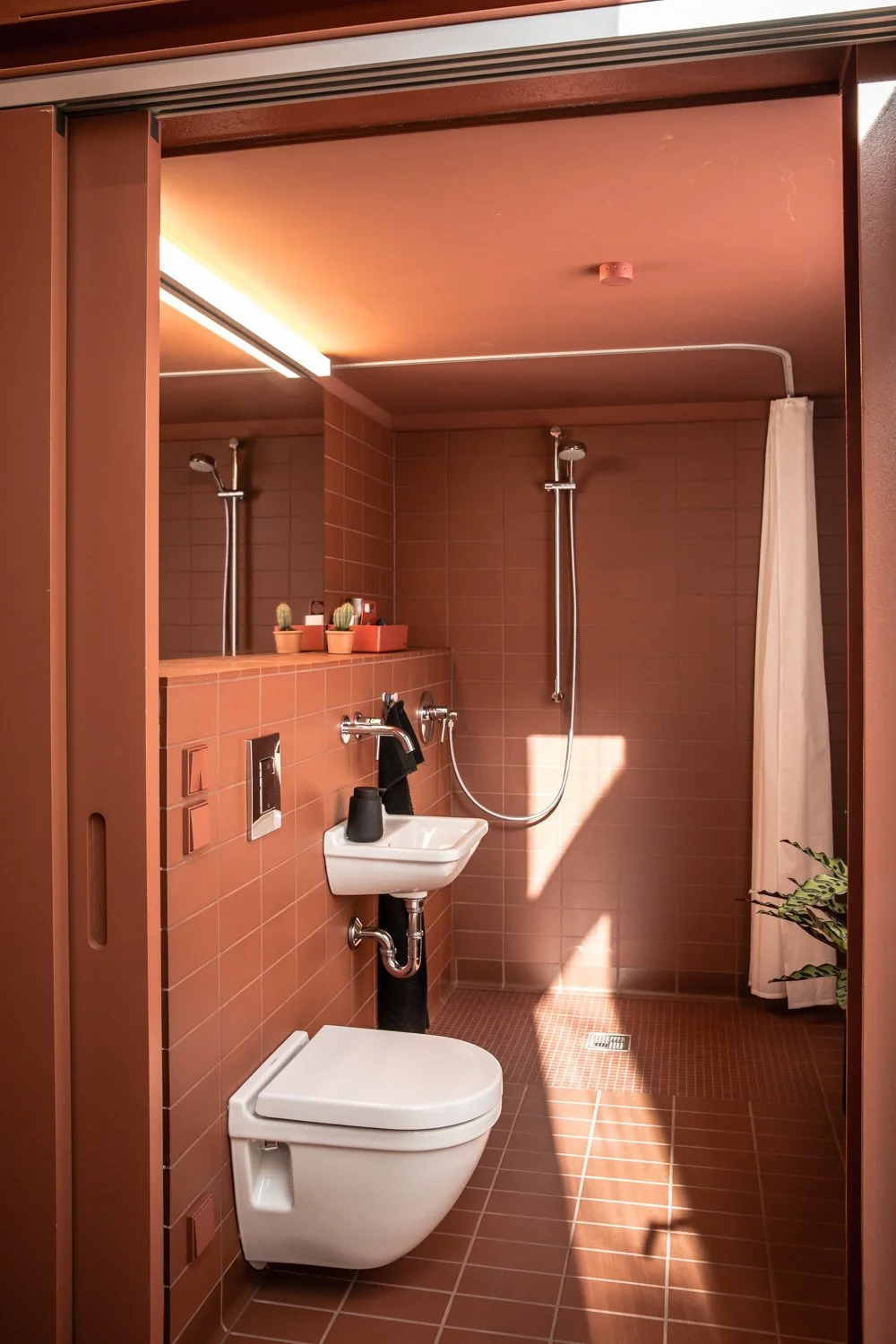
Bathroom area
• glare free light at the mirror
• indirect light along walls or ceiling
• directional light for shower or bathtub
Especially in open loft concepts, the bathroom is often only partially separated. Lighting can help create a clear atmosphere here without losing the openness of the space.
This creates structure within the room.
Linear Lighting Systems for Large Spaces
In lofts, individual small luminaires often do not work well.
The space is simply too large.
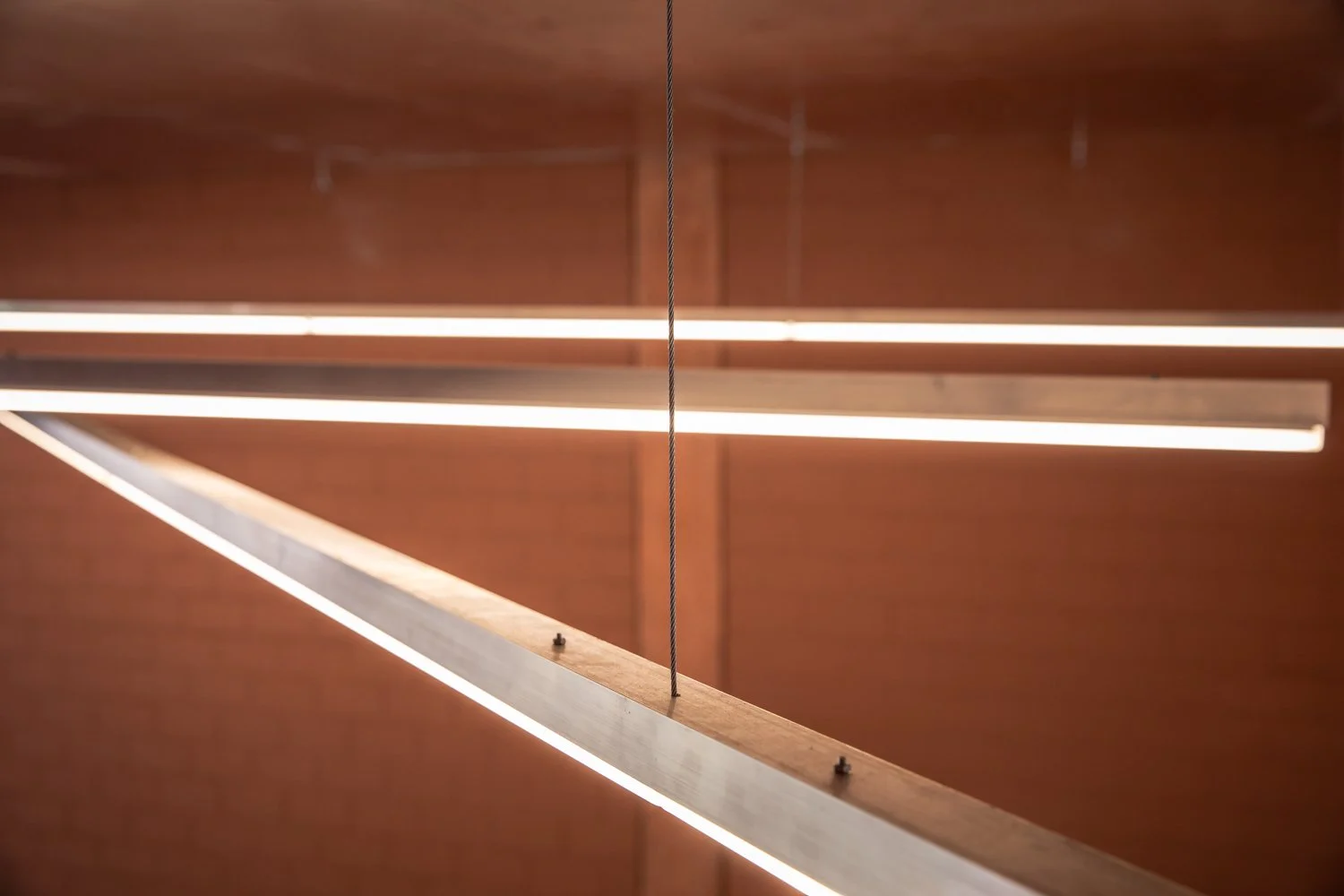
This is why lighting designers frequently work with linear lighting systems.
Typical solutions include:
• lighting tracks with flexible spots
• continuous light profiles
• linear LED systems along the ceiling
• light lines along structural beams
These systems offer a clear advantage.
They remain flexible.
If furniture or spatial zones change, the lighting can easily be adjusted as well.
In open loft environments, this flexibility becomes a crucial factor.
Fewer Luminaires, Stronger Impact
One common mistake in lofts is too much technology.
Too many spots. Too many lamps. Too many light points.
Typical combinations include:
General lighting
• a linear lighting system
• indirect ceiling lighting
Accent lighting
• individual spots for art or materials
• light that highlights wall surfaces
Atmosphere
• indirect light lines
• warm light islands in the living area
The decisive point is not the number of luminaires.
It is the clarity of the concept.
Why Lighting Design Is Especially Important in a Loft
The larger the space, the more important lighting becomes.
In smaller apartments, lighting can hide mistakes. In a loft, they become visible immediately.

That is why good loft lighting does not start with the luminaire.
It starts with the architecture.
At Studio De Schutter, we understand light as part of the spatial structure. We do not plan lighting as a decorative element added at the end of a project.
Contact Us:
