

Light defines how spaces feel long before architecture, materials or furniture are consciously perceived. It shapes orientation, atmosphere and identity. In 2026, good lighting is not about more technology, but about clearer principles. The following ten fundamentals form a solid foundation for meaningful, long-lasting lighting design.
02. Vertical Surfaces Define Perception
03. Reduction Creates Clarity
04. Layered Light Instead of Uniform Brightness
05. Glare Control Is Non-Negotiable
06. Light Reveals Materiality
07. Daylight as the Foundation
08. Lighting and Wellbeing Are Connected
09. Sustainability Through Longevity
10. Light as Identity
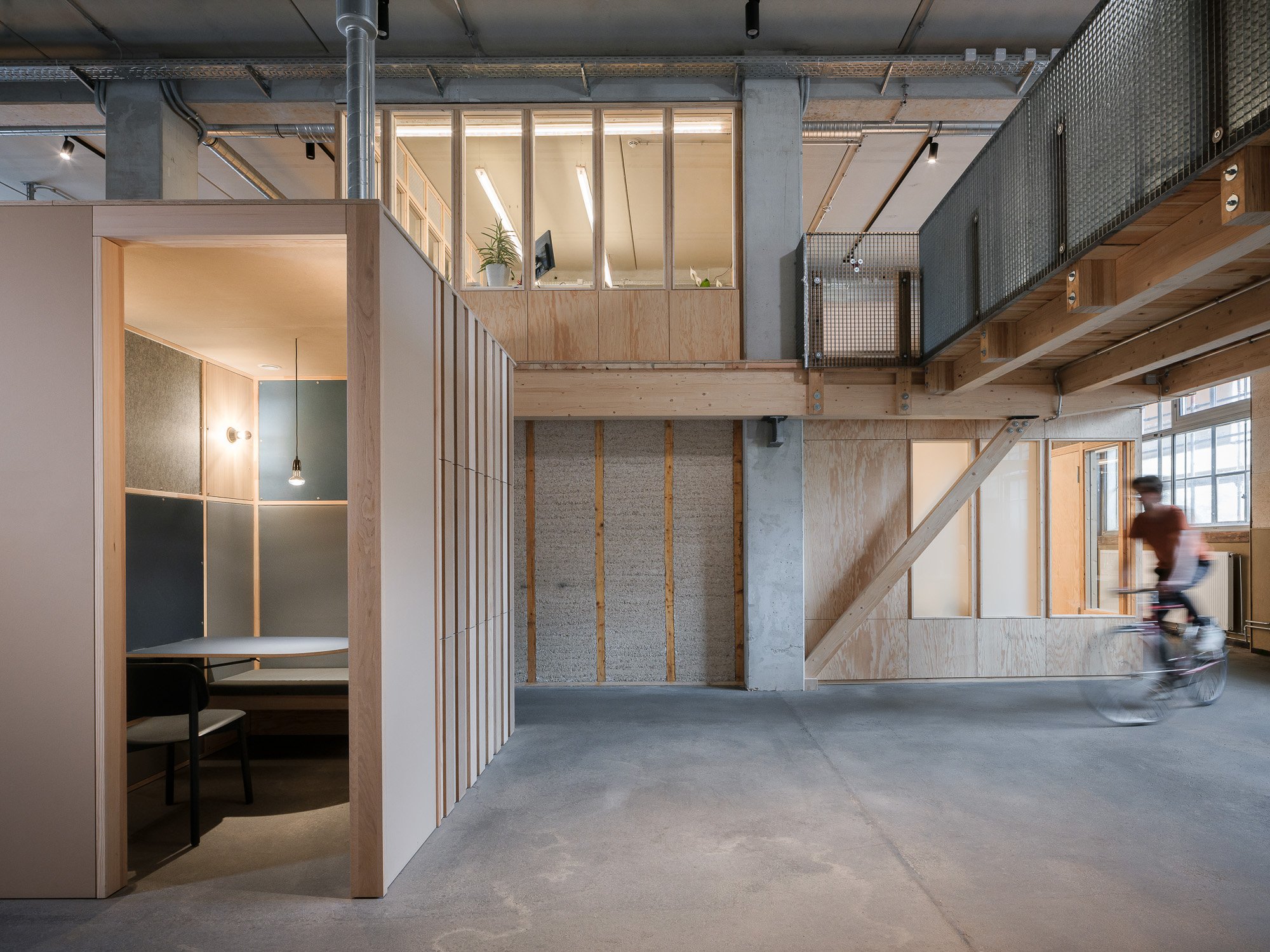
1. Light as Spatial Structure
Light organises space without building walls.
It creates hierarchy, guides movement and separates functions through brightness, contrast and rhythm.
What this means in practice
Zoning through light instead of partitions
Clear transitions between areas
Spatial depth created by layered illumination
In offices, this supports different work modes. In private spaces, it defines living, dining and circulation naturally.
Designing light means shaping perception before form becomes dominant.
— Studio De Schutter
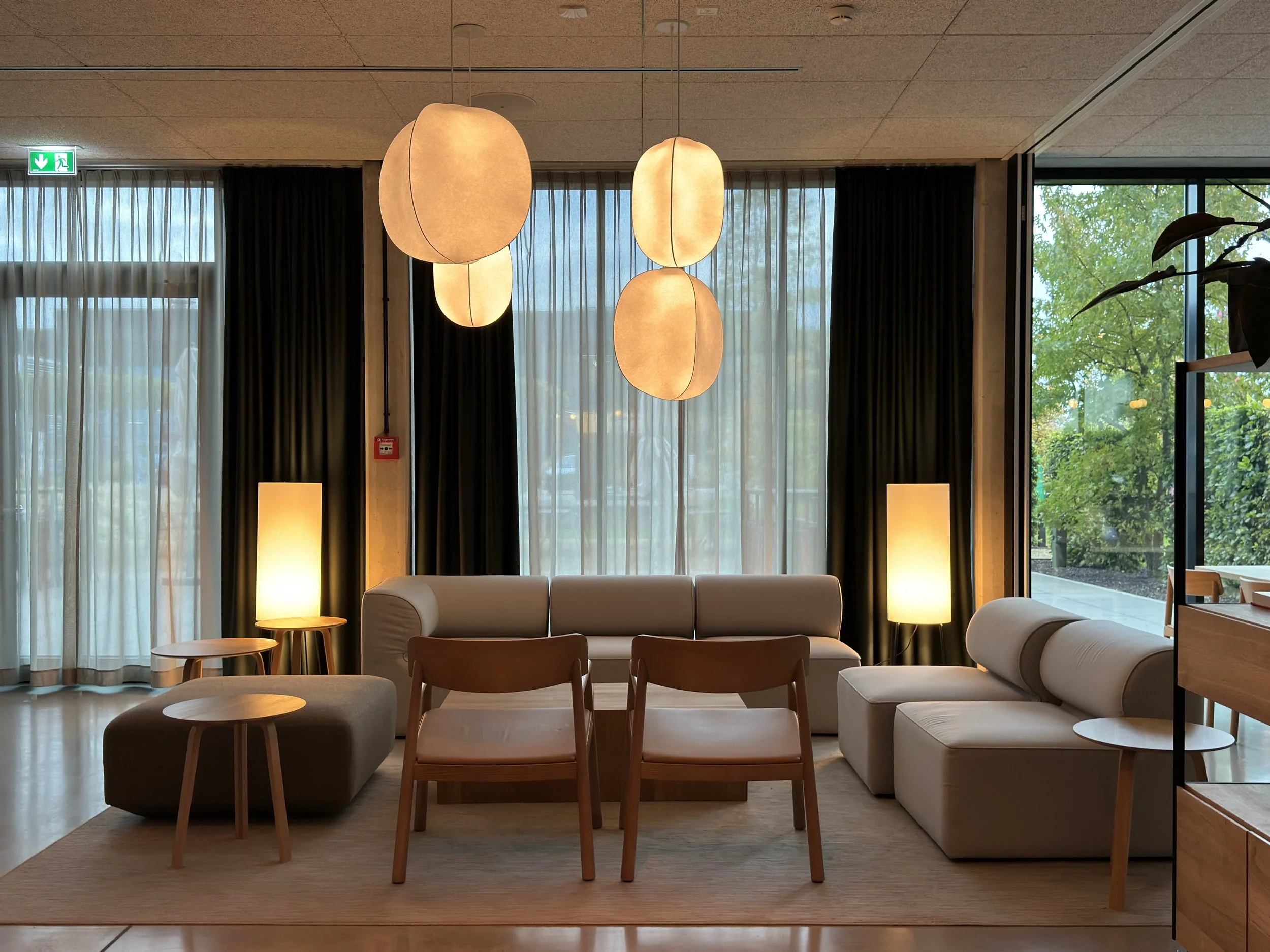
2. Vertical Surfaces Are Key
Walls play a decisive role in how light is perceived.
They shape brightness, calmness and spatial balance far more than horizontal surfaces. When walls remain dark, even well-lit rooms feel contrast-heavy and visually tiring.
Vertical lighting creates a stable visual field. It reduces extreme brightness differences between ceiling, work plane and surroundings, allowing the eye to move effortlessly through the space. This leads to a more relaxed and intuitive spatial experience.
Why vertical lighting matters
Spaces feel larger, deeper and more coherent
Visual comfort increases over longer periods of use
Perceived brightness rises without increasing energy consumption
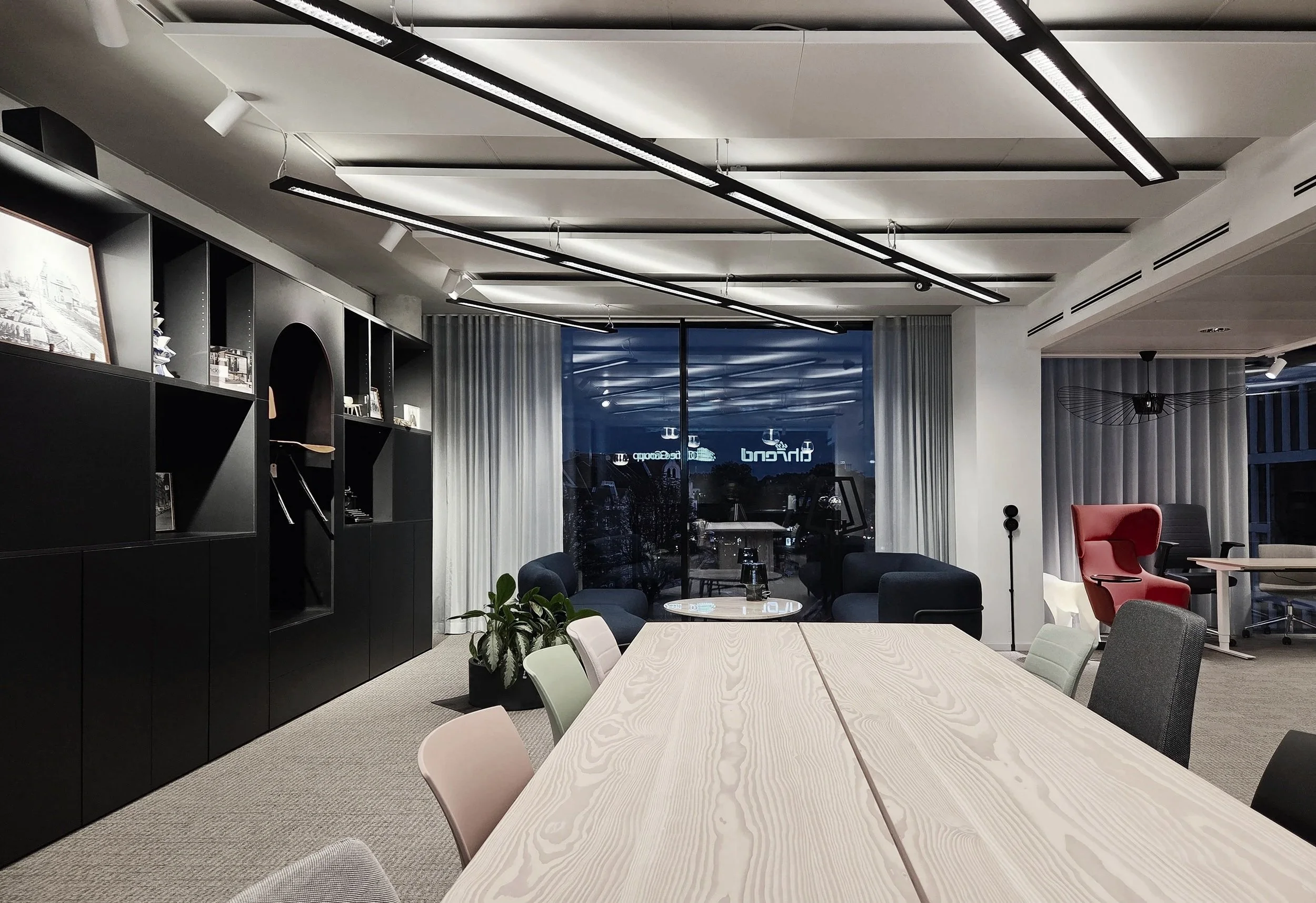
3. Reduction Creates Quality
More luminaires do not equal better lighting.
Clarity comes from restraint.
A strong lighting concept focuses on
Fewer luminaire types
Clear functions per light source
Clean ceilings and calm visual language
This applies equally to large commercial interiors and refined residential spaces. Reduction allows lighting to feel intentional, timeless and confident, rather than excessive or attention-seeking.
4. Lighting Must Adapt to Use
Spaces change throughout the day. Lighting should respond accordingly.
Static lighting concepts no longer reflect how spaces are actually used. Activities shift, moods change and different moments require different light.
Adaptable lighting supports this natural rhythm. Instead of a single uniform brightness level, light is layered and distributed according to use. This allows spaces to transition seamlessly from focused tasks to informal exchange or moments of rest.
Key principles
Layered lighting rather than one dominant light level
Clearly defined zones for different activities
Simple and intuitive scene control
When lighting adapts easily, spaces remain functional without feeling technical. The user stays in control, not the system.
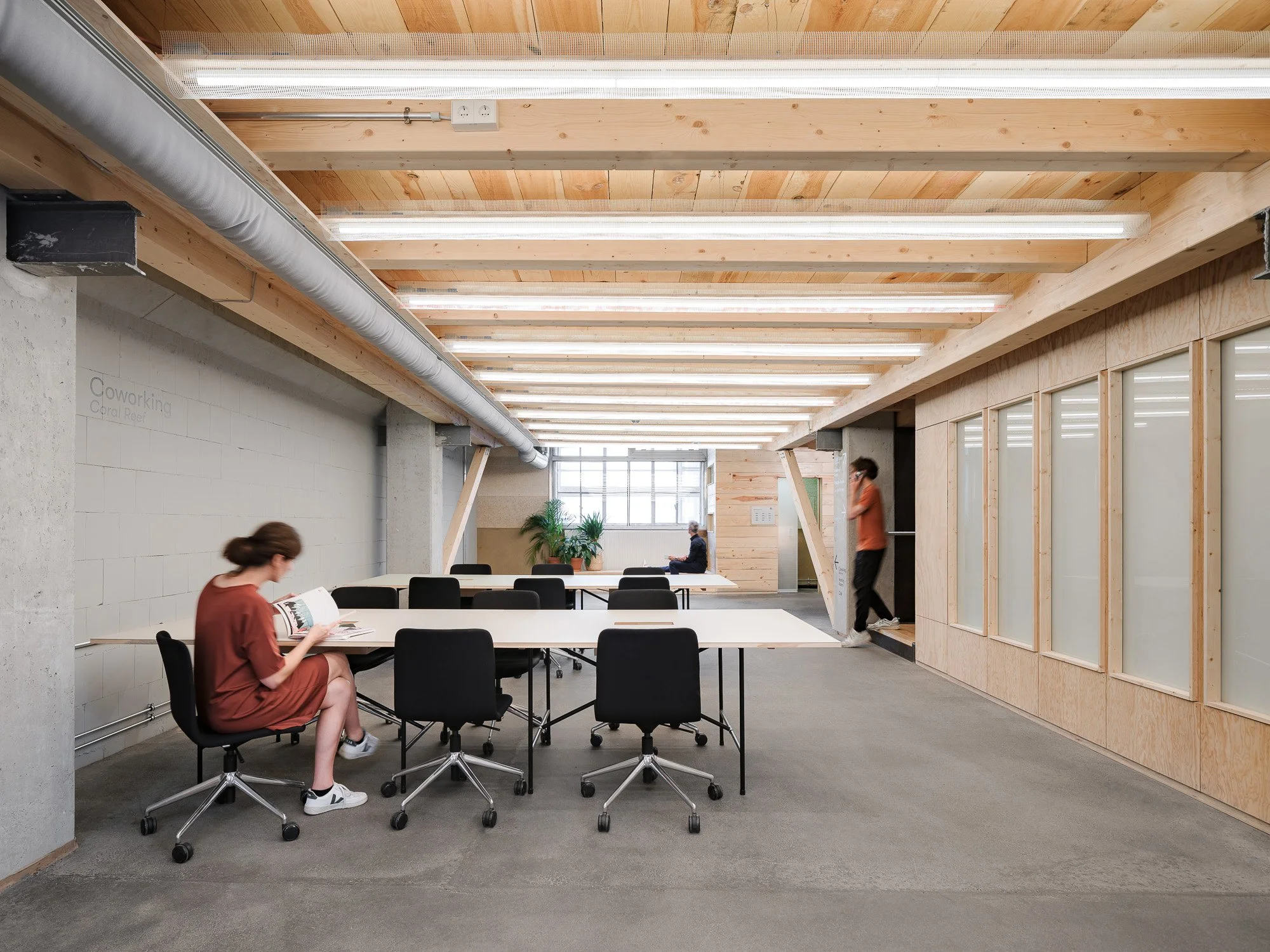
5. Glare Is a Design Failure
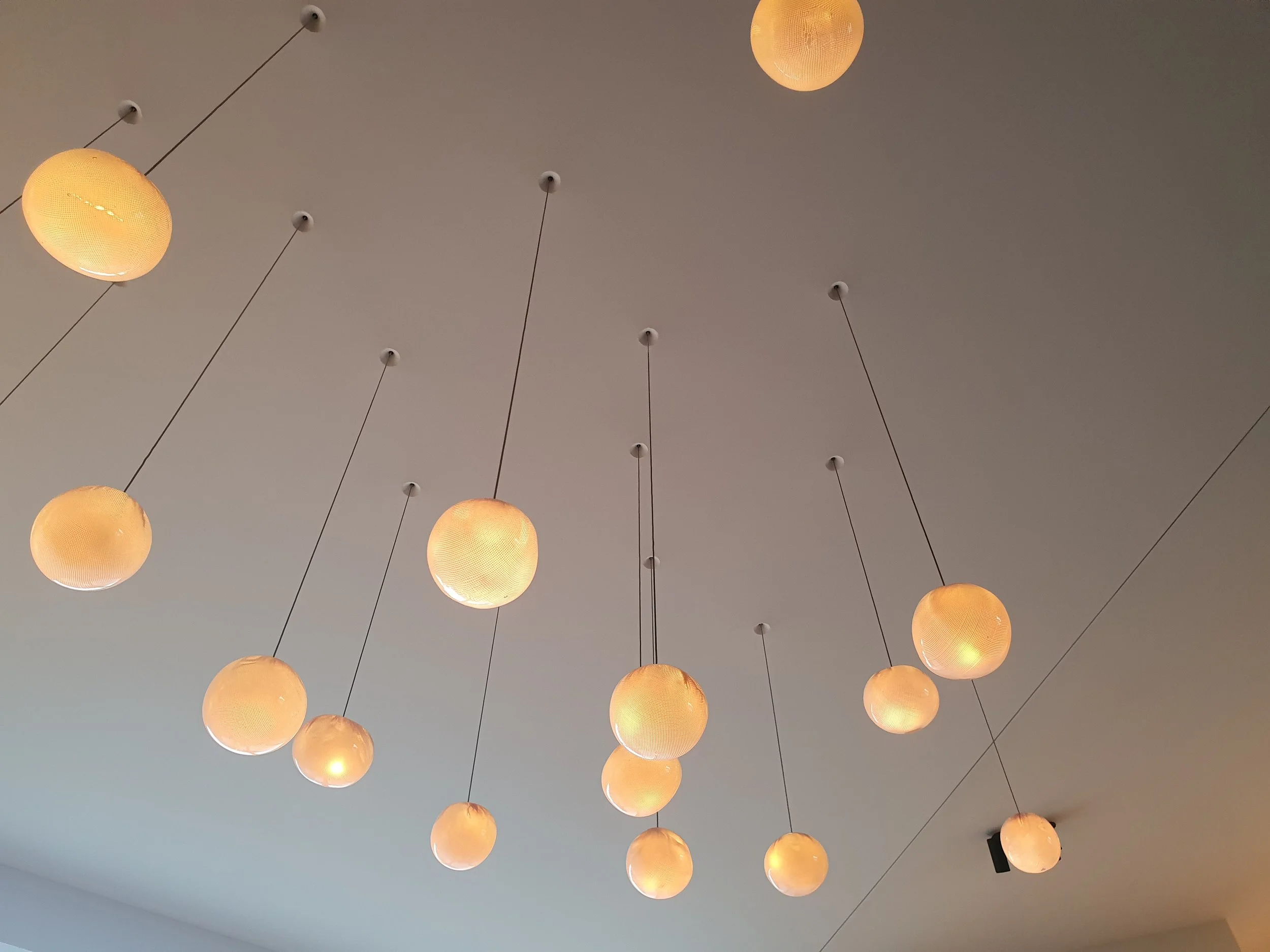
Glare disrupts comfort and concentration instantly.
It pulls attention away from the space and towards the light source itself, creating visual stress and fatigue. Once glare is present, even well-designed environments lose their sense of ease.
Good lighting controls brightness, direction and reflection. It carefully considers viewing angles, surface reflectance and the relationship between light sources and the user’s line of sight.
Good lighting avoids
Direct views into exposed light sources
Excessive contrast between illuminated and non-illuminated areas
Poorly aligned or incorrectly positioned luminaires
When glare is eliminated, light recedes into the background. The space becomes the focus, not the technology behind it.
6. Light Reveals Materiality
Light only becomes visible through surfaces.
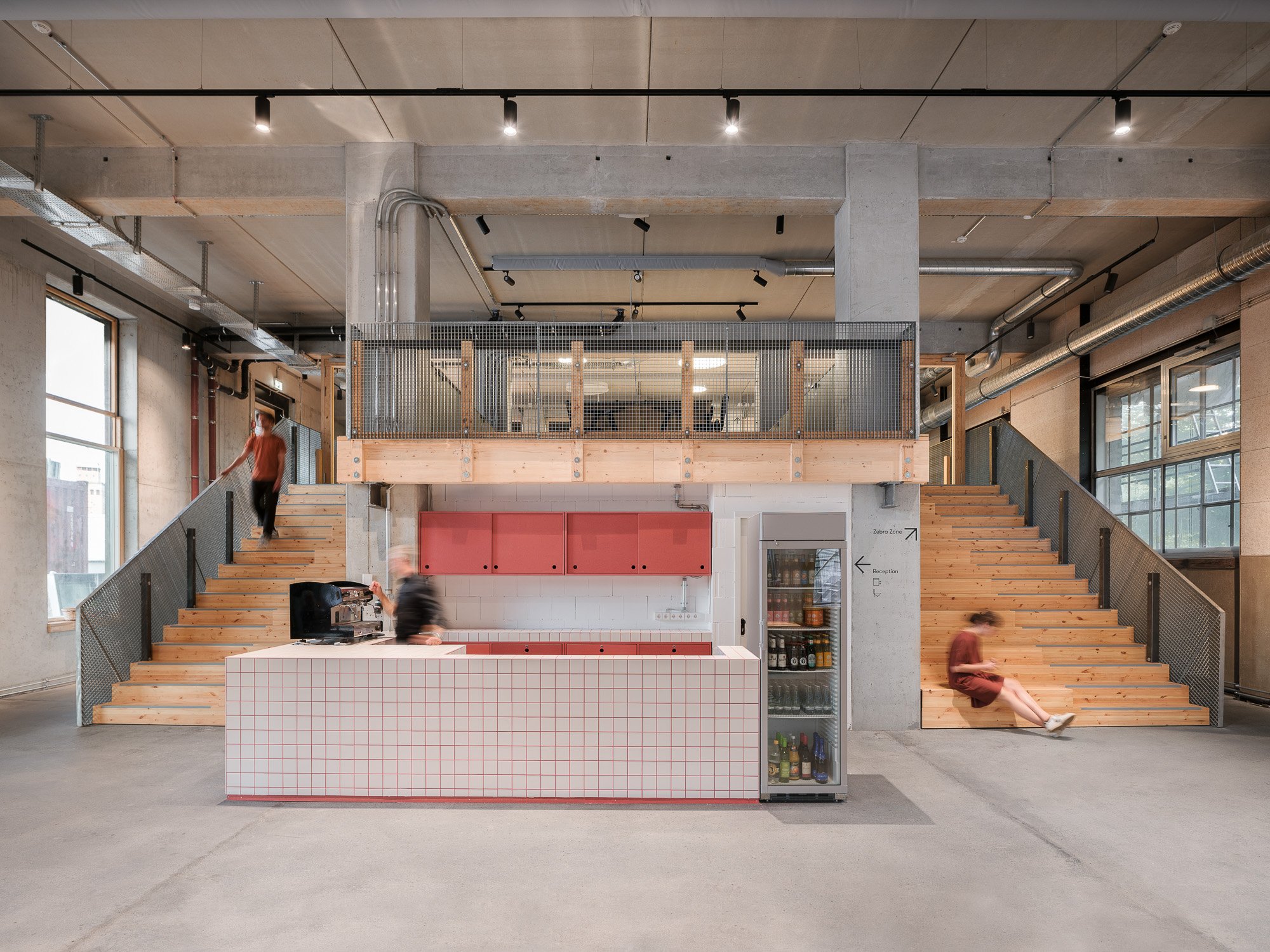
Materials, textures and colours determine how light is reflected, absorbed or diffused. Without considering materiality, even technically correct lighting remains flat and detached from the space.
Thoughtful lighting works in dialogue with architecture and finishes. It reveals depth, emphasises texture and supports the intended spatial character. Subtle changes in angle, intensity and distribution can dramatically alter how materials are perceived.
Thoughtful lighting
Enhances textures and spatial depth
Supports accurate and natural colour rendering
Strengthens architectural expression and detail
Light does not decorate materials.
It allows them to speak.
7. Daylight Comes First
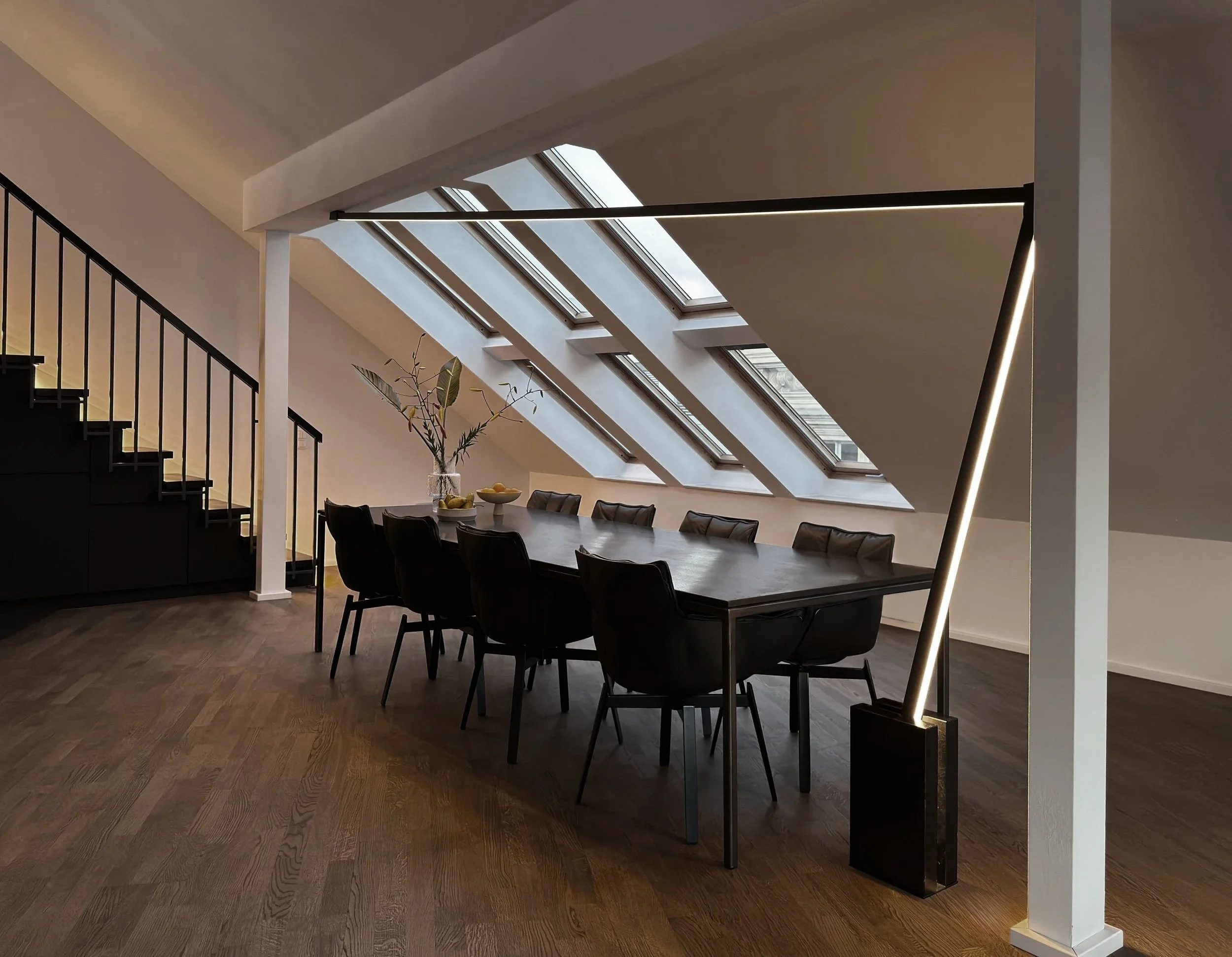
Artificial lighting begins with understanding daylight.
Natural light sets the primary rhythm of a space. Its direction, intensity and variation throughout the day shape how interiors are perceived and used long before artificial light is introduced.
A solid lighting concept starts by analysing daylight conditions carefully. This creates a foundation that allows artificial lighting to support, balance and extend natural light rather than compete with it.
Daylight planning includes
Sun path analysis to understand seasonal and daily light patterns
Shading and overshadowing studies to control glare and overheating
A balanced relationship between natural and artificial light
When daylight is taken seriously from the beginning, interiors feel intuitive, balanced and connected to their environment throughout the entire day.
8. Lighting Supports Wellbeing
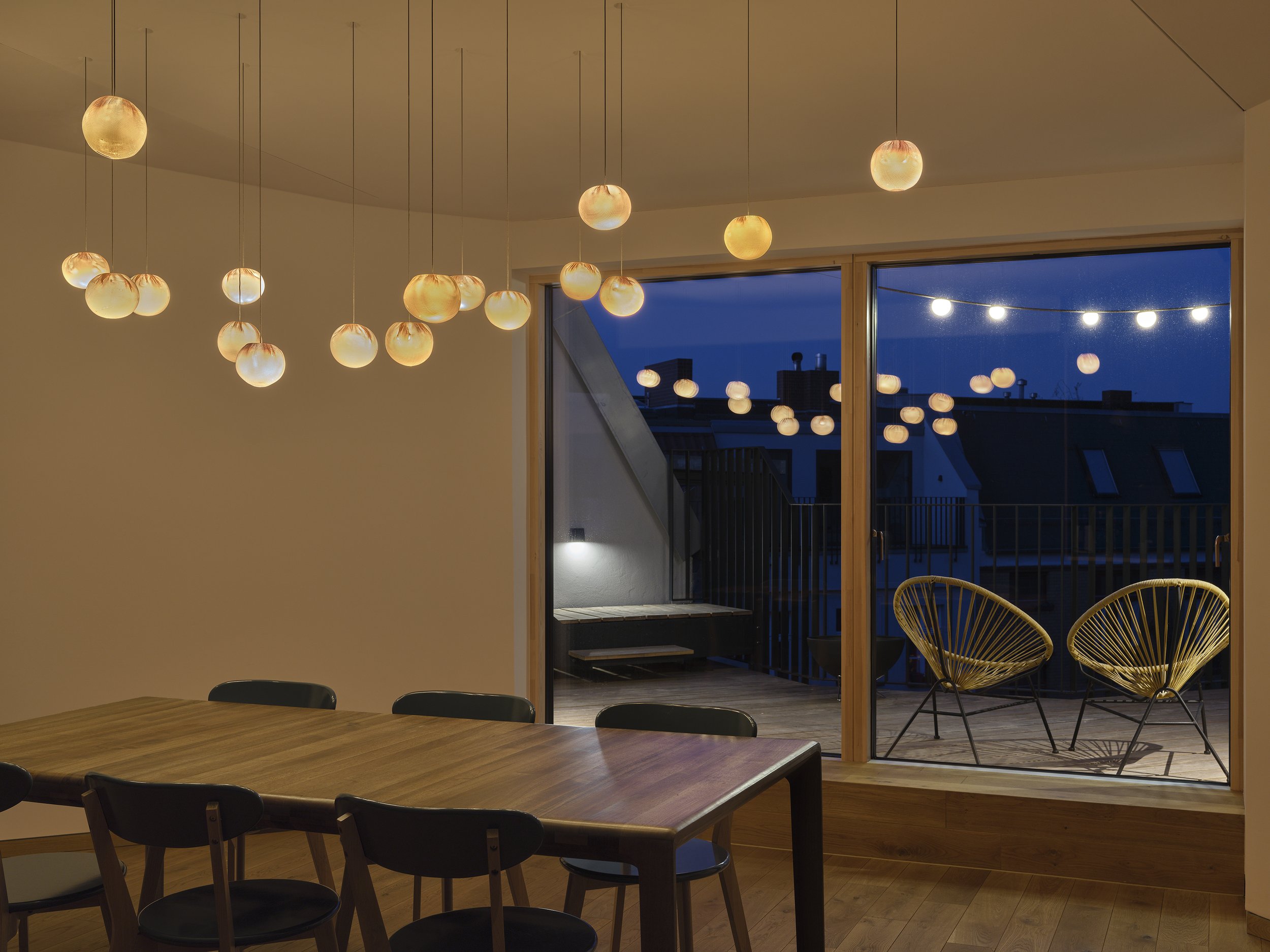
Light has a direct influence on mood, focus and daily rhythm.
It affects how alert we feel, how long we can concentrate and how easily we transition between activity and rest. Poorly balanced lighting can lead to fatigue, tension and overstimulation, even when it appears technically correct.
Human-centred lighting focuses on perception rather than performance values. It responds to how people actually experience light over time, not just to measured lux levels.
Human-centred lighting means
Balanced brightness levels that avoid visual stress
Appropriate colour temperatures that support different times of day
Respect for natural daily cycles and human perception
When lighting follows these principles, spaces feel supportive rather than demanding.
9. Sustainability Is About Longevity
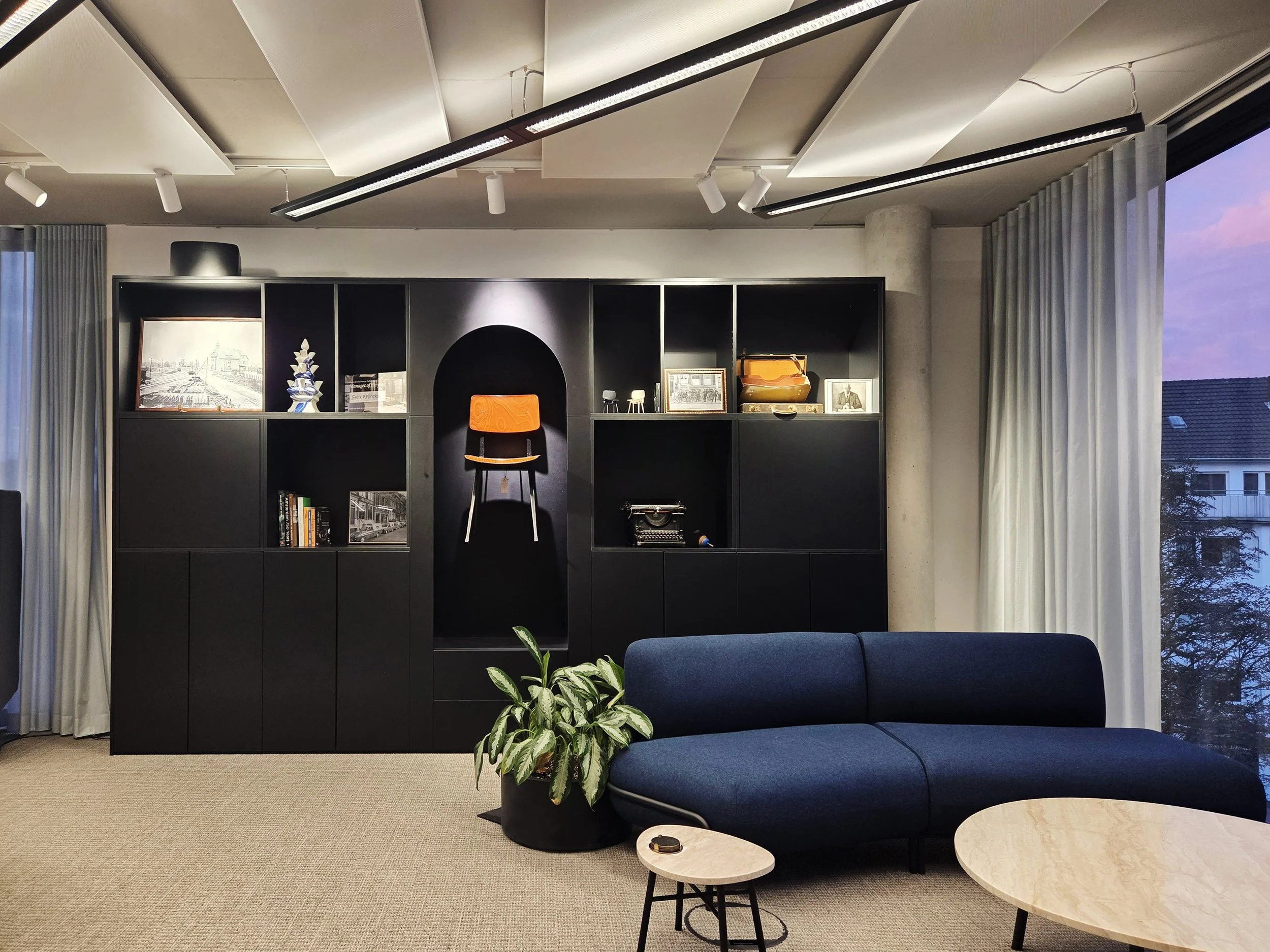
Sustainable lighting is durable, adaptable and timeless.
Long-term value comes from
Robust systems
Flexible controls
Reusable and upgradeable solutions
Good lighting evolves with its users instead of being replaced.
Sustainability begins with planning for change.
— Studio De Schutter
10. Light Shapes Identity
Lighting communicates values.
It becomes part of how spaces are remembered.
Strong lighting identities
Feel authentic rather than decorative
Support function and atmosphere equally
Strengthen both brand and personal character
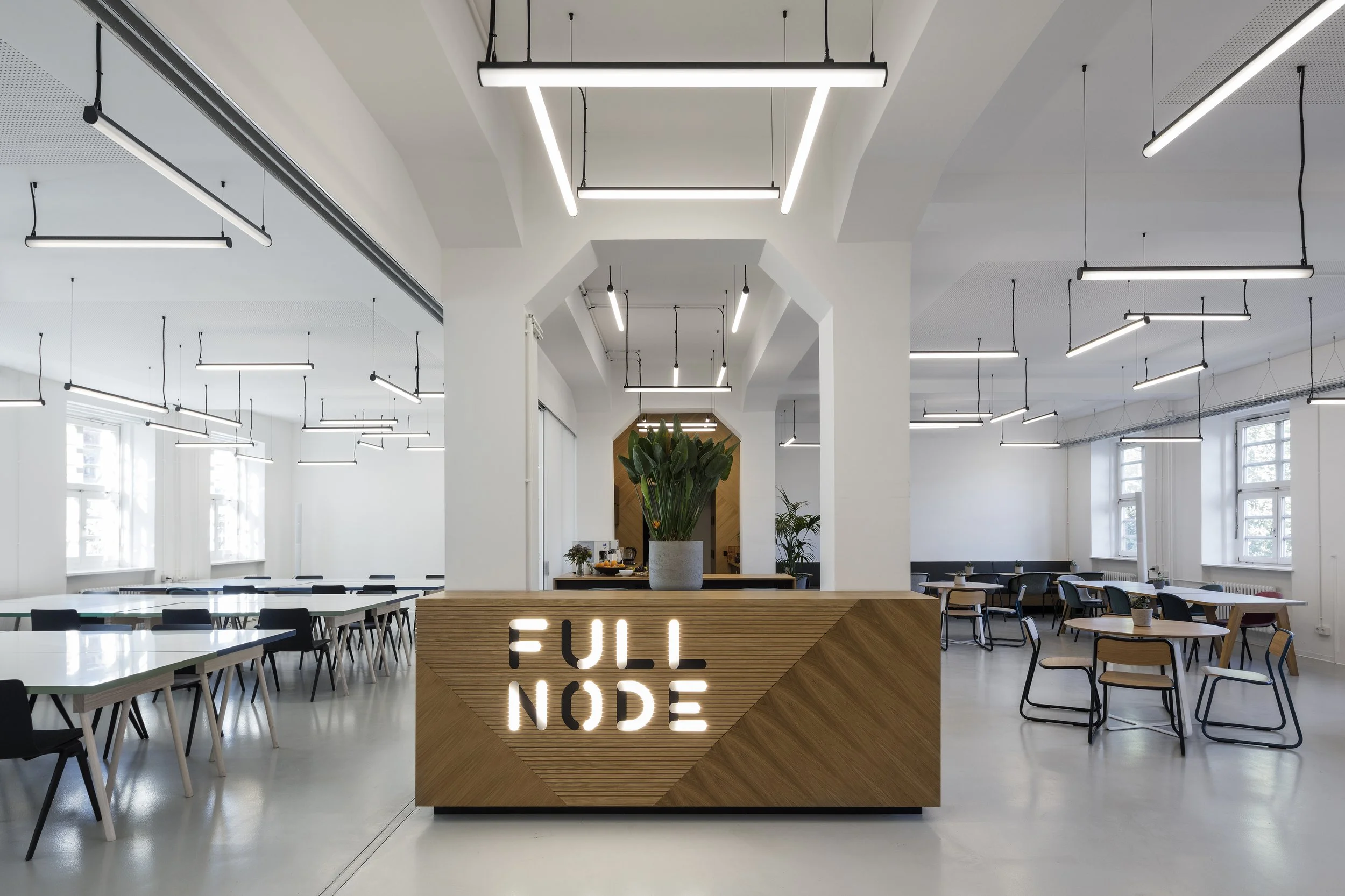
Whether corporate or private, light is a quiet but powerful storyteller. It shapes atmosphere, communicates values and influences how spaces are remembered. Without drawing attention to itself, it creates emotional resonance and gives rooms their lasting character.
Why Work with Studio De Schutter
Many lighting issues arise not from missing technology, but from concepts that start too late. When light is treated as a finishing touch, opportunities are lost.
At Studio De Schutter, lighting is part of the architectural thinking from day one. We analyse space, daylight, users and long-term goals before defining a lighting concept. Our work balances technical precision with emotional quality, creating solutions that are robust, adaptable and quietly powerful.

We believe light should not dominate a space.
It should support it, clarify it and give it meaning.
Contact Us:
