

Villa lighting by a lighting designer: holistic concepts from Berlin
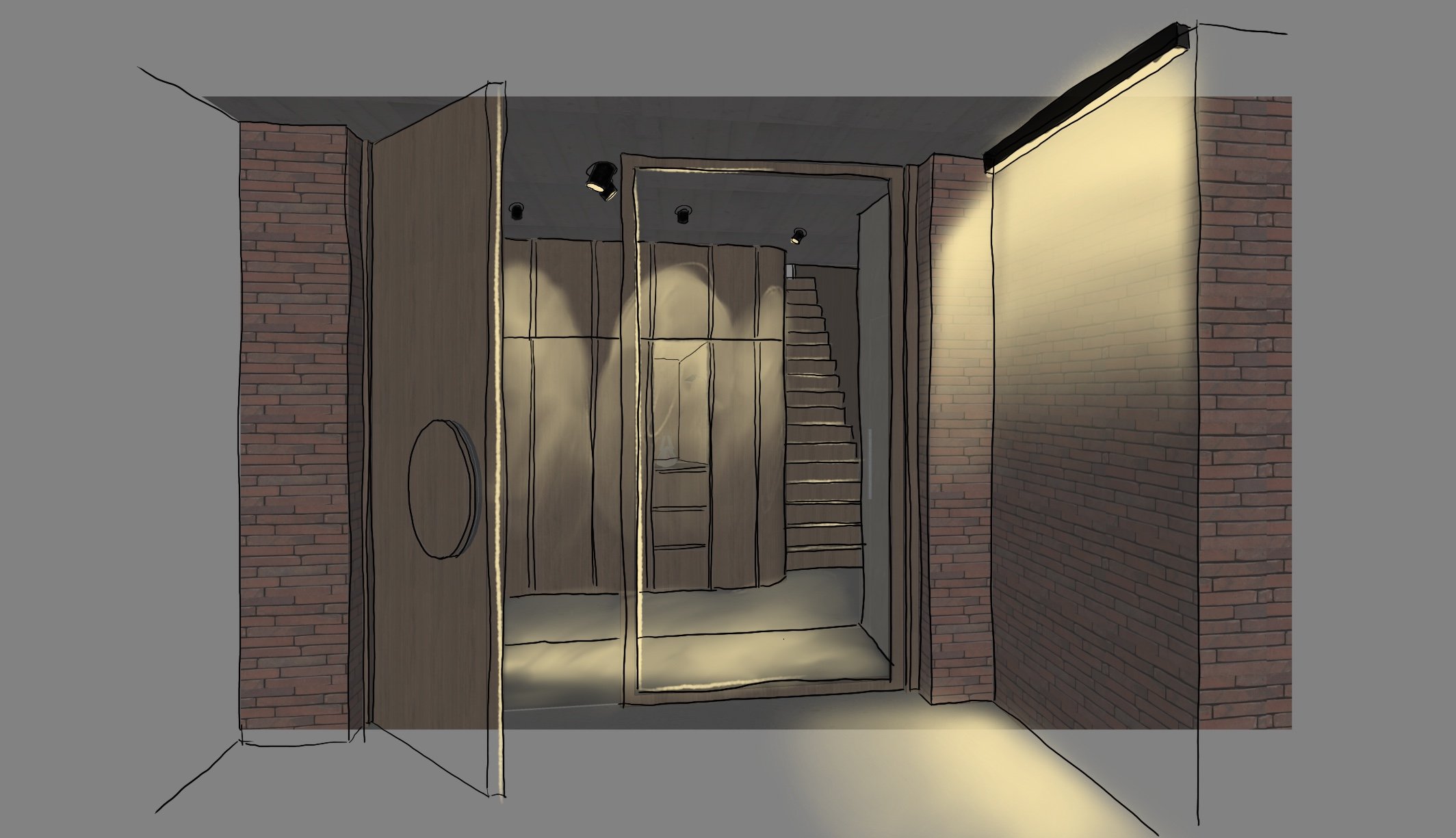
A villa is more than a floor plan and façade. It is attitude. Identity.
And this is exactly where light begins.
Not as a technical addition.
But as an architectural language.
As Berlin-based lighting designers, we develop concepts that do not merely illuminate spaces, but define them. Light structures volume. Guides sightlines. Stages materials. And translates architecture into emotion.
“Light is not an add-on. It is an architectural tool.”
— Sabine De Schutter
Light as dramaturgy — not as equipment
A villa does not need a collection of fixtures. It needs a concept.
We think in layers:
• General lighting for orientation
• Accent lighting for depth
• Task lighting for precision
• Ambient lighting for atmosphere
Quality emerges only through the interplay of these layers.
A space then does not simply appear bright.
It feels intentionally designed.
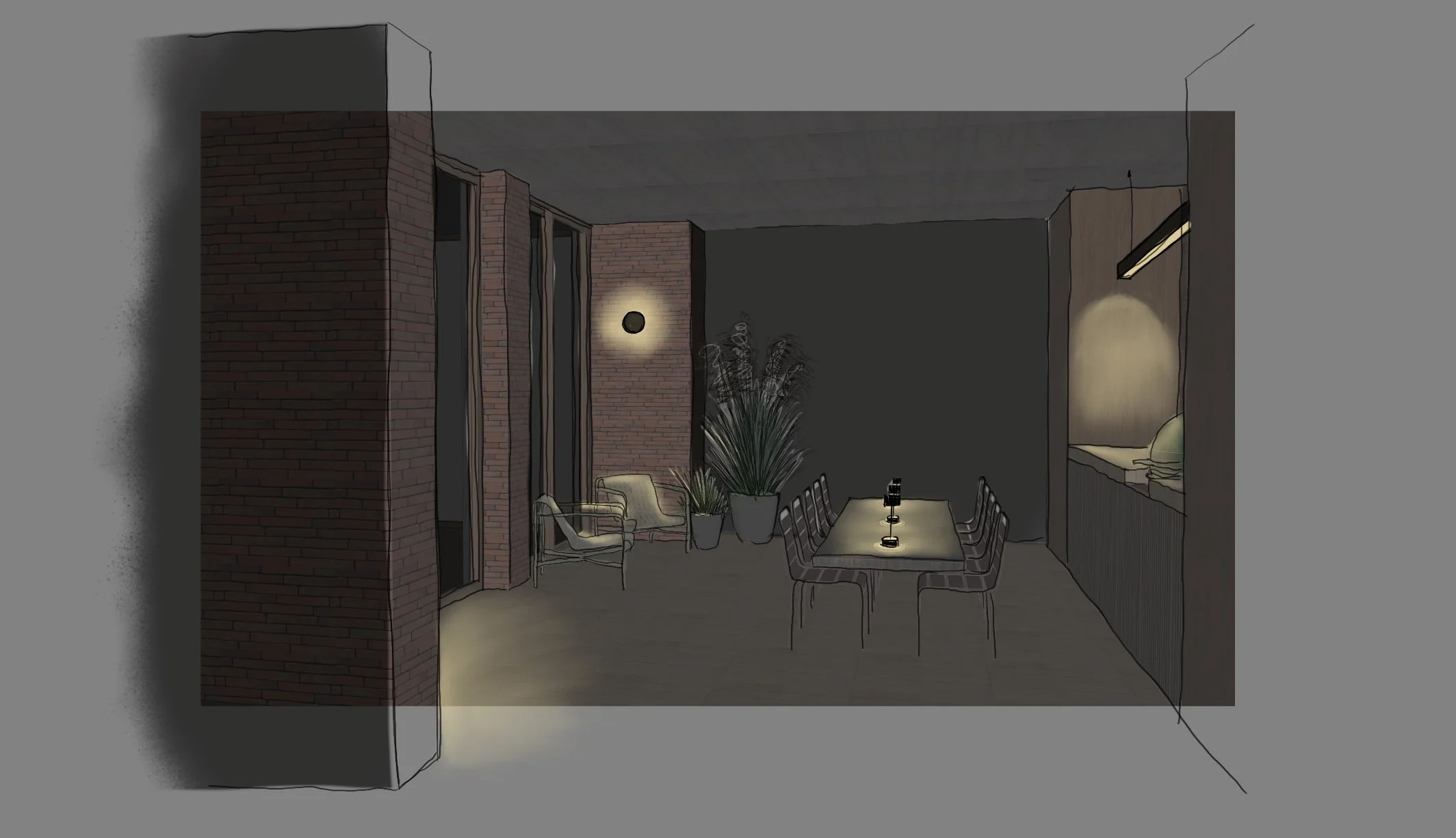
Pictures: Villa Schilde designed by Studio De Schutter
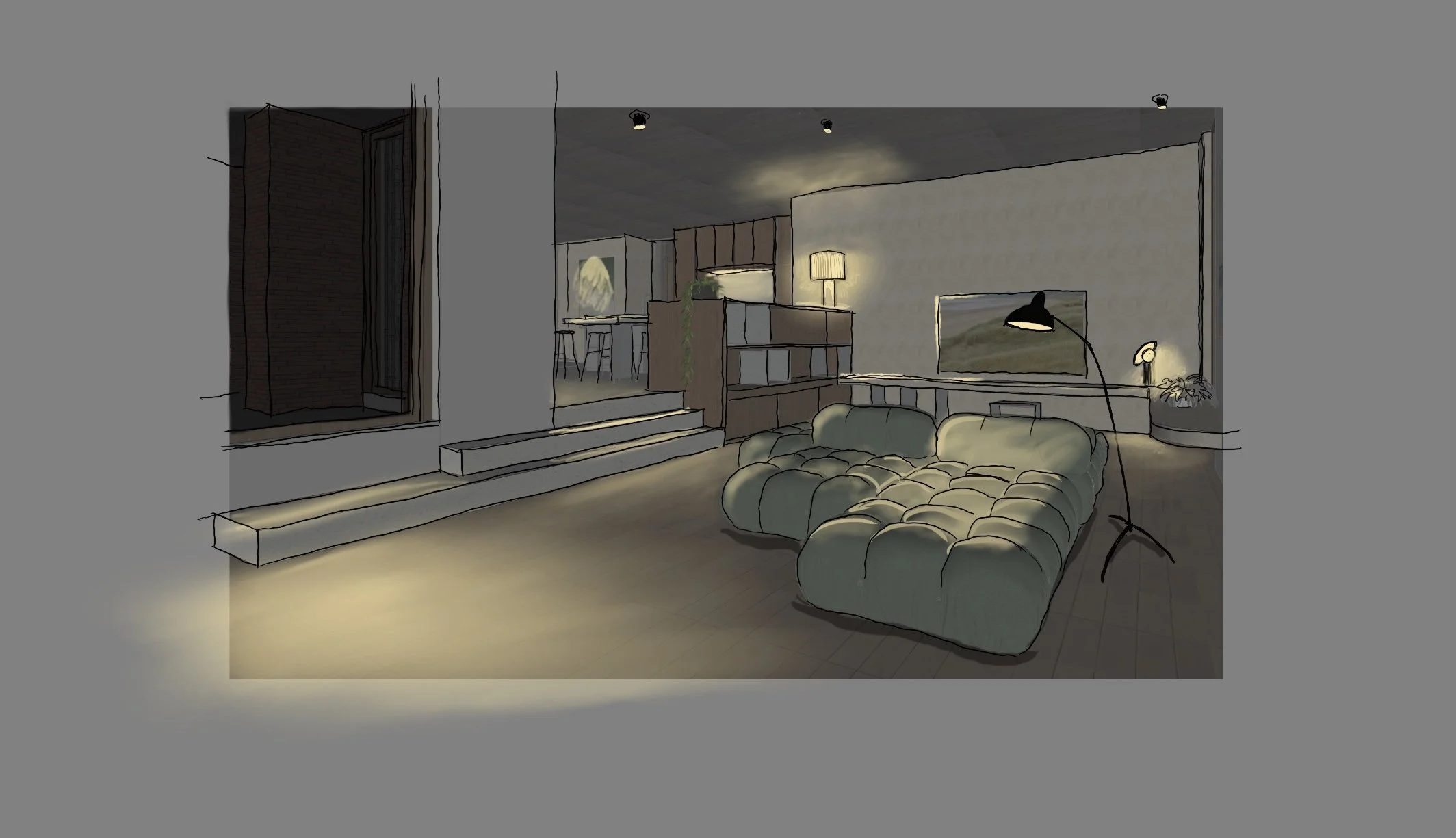
Living room
Making spaciousness visible
The living room of a villa thrives on generosity. On impressive ceiling heights. On carefully curated materials that carry space and personality. Natural stone. Wood. Textiles. Art.
Light must not feel flat here. It has to make architecture legible. Model volume. Create depth.
We work with indirect light lines that gently graze wall surfaces and bring textures to life. Precise accents stage artwork and create visual anchors within the space. Warmly balanced color temperatures establish calm without visual heaviness and support an atmosphere that feels both representative and relaxed.
Generous spaces require hierarchy. Otherwise, they lose their impact.
We consciously rely on:
• Integrated coves in ceilings or walls
• Precise spots with narrow beam angles
• Dimmable scenes for transitions throughout the day
• Glare-free reading light in seating areas
• Subtle accentuation of materials and artwork
Light creates zones.
And zones create orientation.
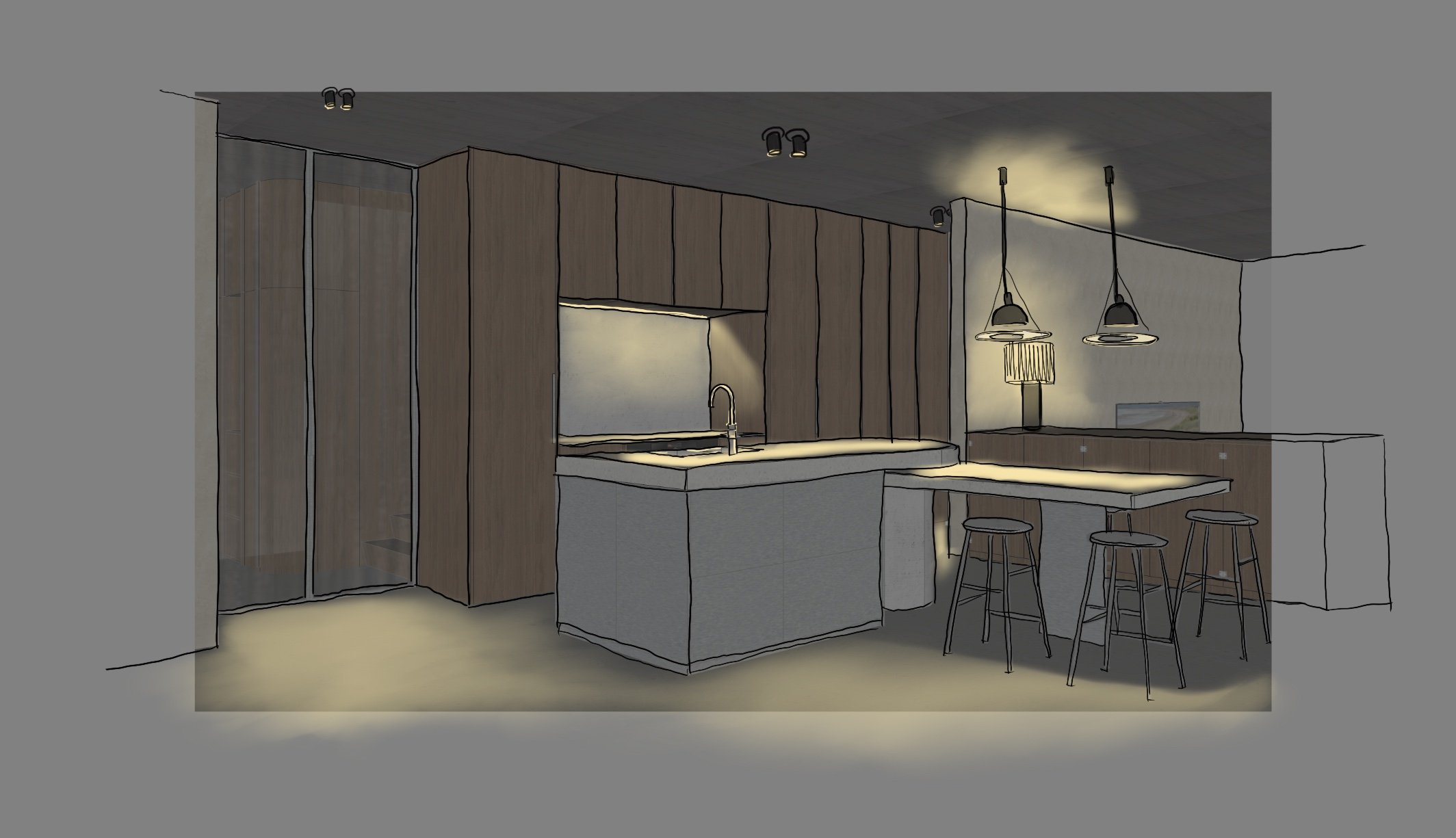
Kitchen
Precision meets atmosphere
The kitchen is a workspace. A place of communication. A meeting point. This is where conversations begin. Routines take shape. Rituals are formed.
Light must be clear. But never emotionally cold.
Work surfaces require directed, shadow-free light that enables precision and resolves contrasts cleanly. Cooktops, preparation areas and sinks are illuminated with functional accuracy. Islands and dining tables, on the other hand, benefit from suspended light objects or sculptural luminaires that create identity and establish a visual focal point within the space.
We consciously rely on:
• Glare-free, directed task lighting with controlled shadow guidance
• Accent pendant luminaires above island or dining table
• Integrated light lines beneath upper cabinets
• Dimmable scenes for cooking, dining and evening atmosphere
• Harmonious coordination with adjacent living areas
Technology remains in the background.
Scene control sets the rhythm of the day.
Lounge
Intimacy in generous dimensions
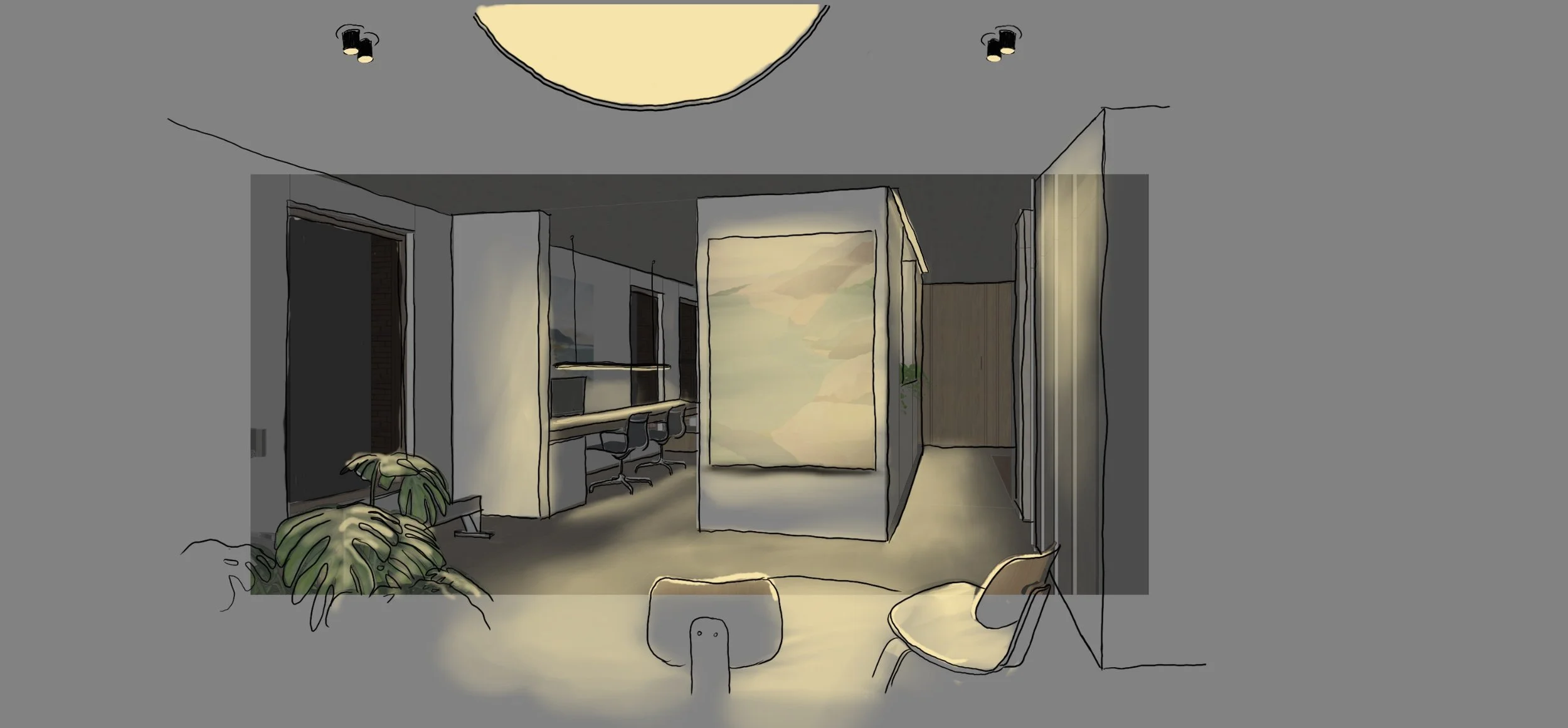
The lounge of a villa may be darker than other areas — but never unreadable.
It is a retreat. A space for conversation.
Here, we work with deliberately reduced brightness levels and precisely placed accents. Seating groups are defined by islands of light that create closeness while structuring spaciousness. Artworks receive a calm, focused staging. Material surfaces come alive through subtle grazing light, revealing their depth at second glance.
Contrasts are guided gently.
Glare is consistently avoided.
Especially in expansive villa lounges, quality emerges through restraint. Not everything is illuminated — only what truly matters.
We consciously rely on:
• Low, dimmable base brightness
• Selective accents for art and architectural details
• Indirect light sources for soft spatial depth
• Glare-free luminaires with precise light control
• Scenes for reception, conversation and evening calm
Transitions and circulation
Making movement visible
Staircases. Corridors. Inside–outside connections.
They are more than functional links between rooms. They are choreography. They are the opening sequence.
In a villa, these zones determine how architecture is perceived. Transitions structure the experience. They guide the eye. They direct movement.
Linear light lines accompany each step and provide orientation without pushing themselves into the foreground. Wall washers emphasize vertical surfaces and make ceiling height physically tangible. Integrated light accents in staircases enhance safety while underlining architectural geometry.
Here, light becomes an invisible guide. It leads without dominating.
Especially in expansive villas with open galleries, impact is created through rhythm. Light. Shadow. Focus. Pause. Movement is staged — not merely illuminated.
This is where first impressions are formed.
And often the ones that last.
Lighting design from Berlin
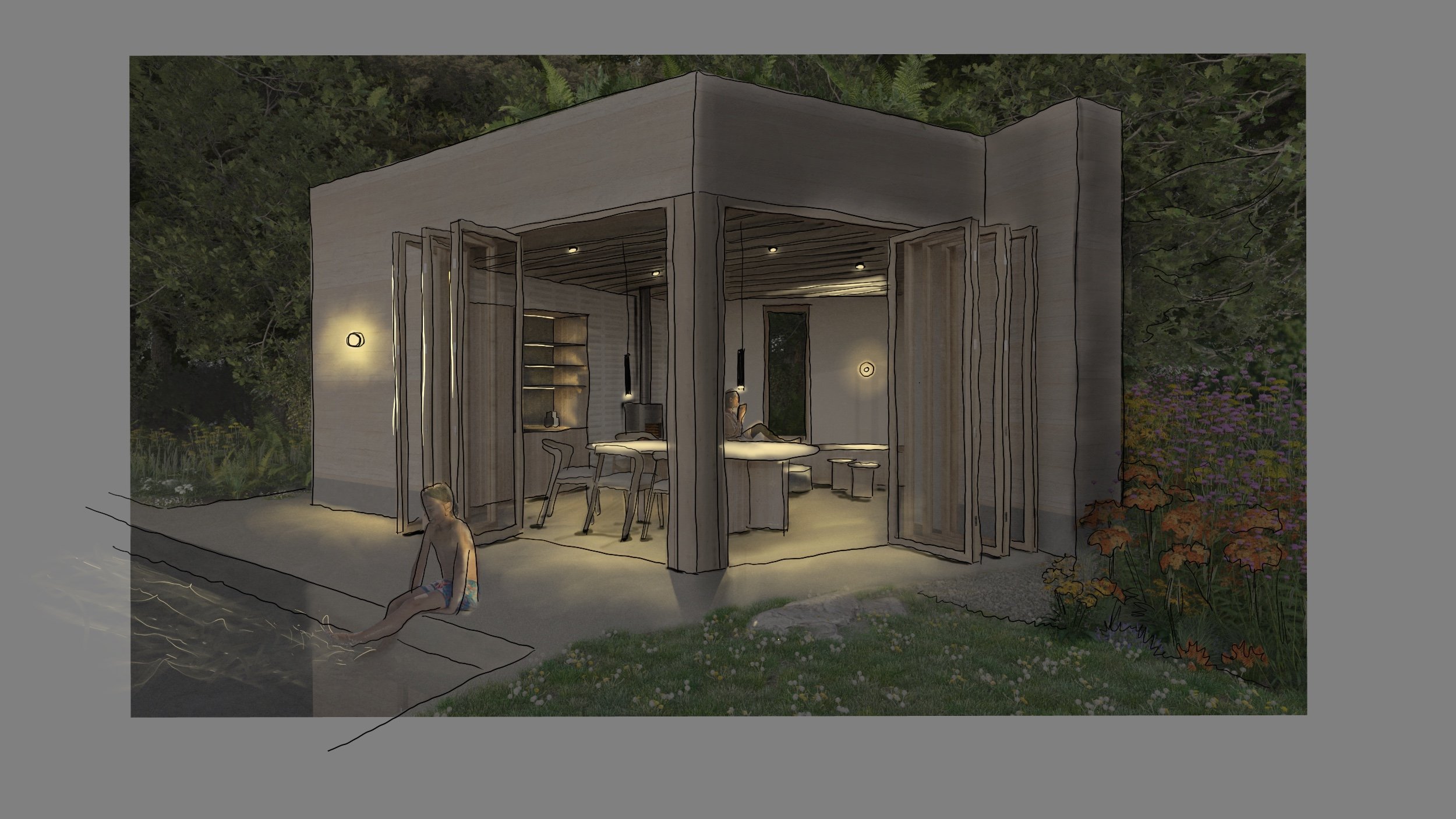
As lighting designers based in Berlin, we support villa projects from the first architectural sketch to the precisely calibrated final lighting atmosphere. Our ambition is not to think of light in isolation, but as an integral part of the spatial concept. We analyze proportions, materiality and sightlines, understand how surfaces respond to light, and derive a coherent overall concept from this foundation.
It is not only about technology or fixture selection. It is about perception. About atmosphere. About how a space should feel the moment you enter it.

A villa is not a standard project with predefined solutions. It is the expression of an attitude, an architectural vision, and often a very personal way of living. That is precisely why we develop holistic lighting concepts that make identity visible and stage architecture with intention.
Good light turns square meters into character. And architecture into an experience.
Contact Us:
