

Patient Experience Design: The Role of Lighting in Healthcare Spaces
A practice can function perfectly from a medical perspective.
And still feel wrong.
Too bright.
Too clinical.
Too standardized.
For decades, many healthcare environments have been designed primarily around processes: examination workflows, hygiene requirements, technical systems, circulation paths.
But patients do not experience a process.
They experience spaces.
And this is exactly where Patient Experience Design begins.
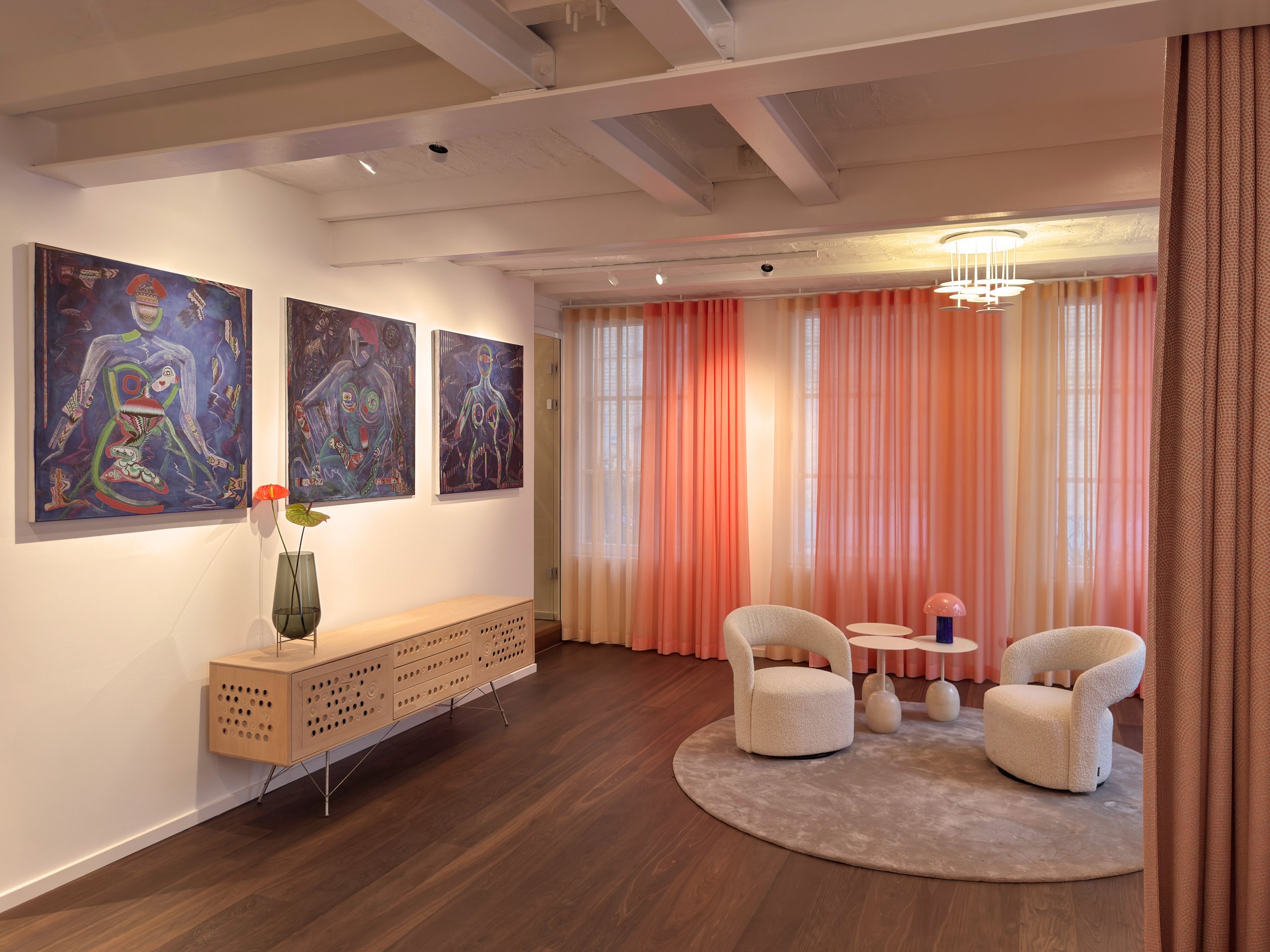
What does Patient Experience Design actually mean?
Patient Experience Design does not view healthcare spaces solely as places of treatment.
It views them as places of arrival.
Of orientation.
Of reassurance.
Of calm.
This changes the question:
No longer:
Is the space functional enough?
But instead:
How does the experience feel?
Typical topics within Patient Experience Design include:
✓ Orientation and wayfinding
✓ Perception of safety and reassurance
✓ Quality of stay and comfort
✓ Materiality and the impact of color
✓ Acoustics and retreat spaces
✓ Lighting quality and controllability
✓ Waiting areas and transition zones
✓ Flexibility for different user needs
Lighting, in particular, connects many of these layers simultaneously.
Patient Experience Design and Hospitality: What Healthcare Spaces Can Learn from Hotels
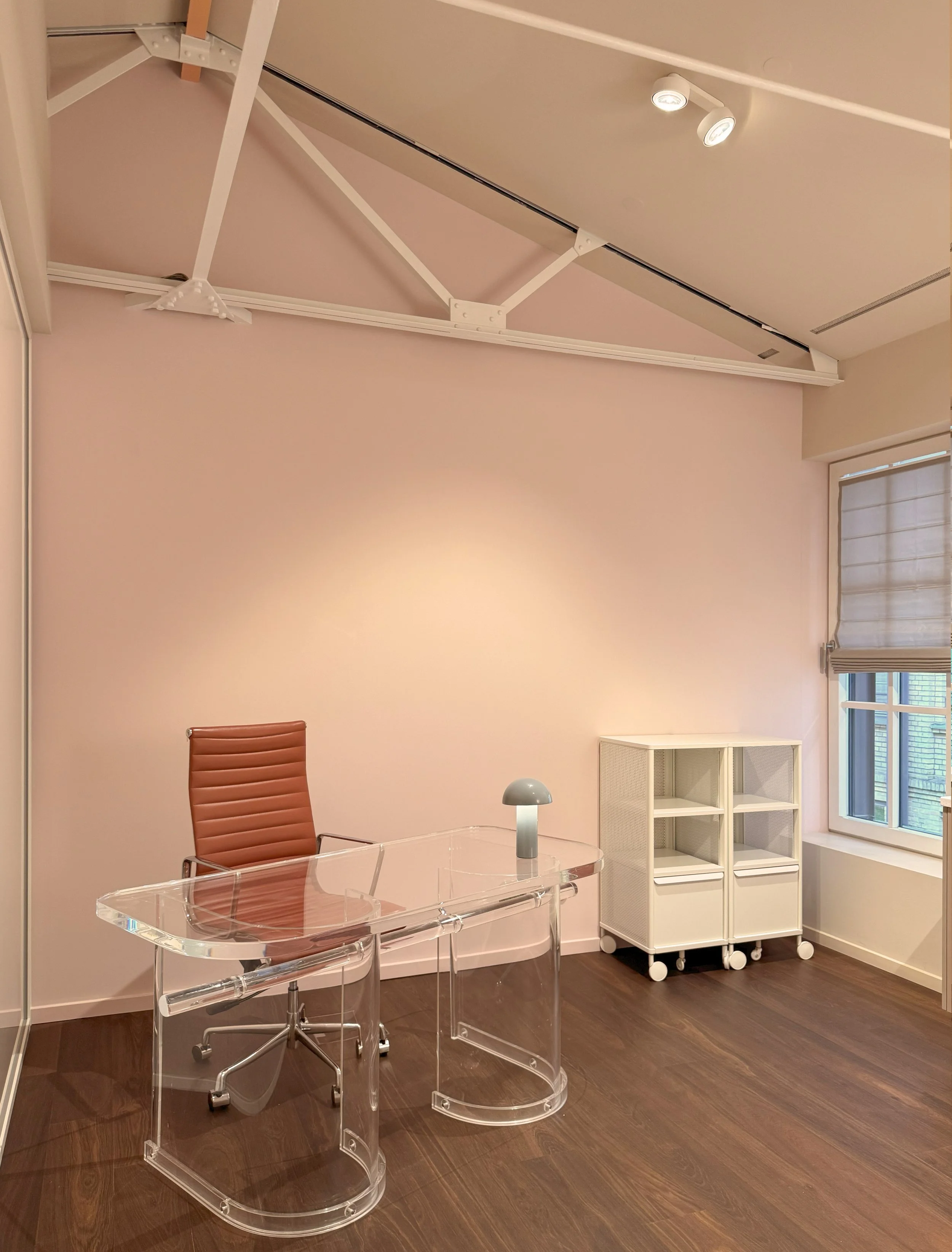
Many modern healthcare projects are intentionally moving away from the traditional image of a medical practice.
Not because medicine is becoming less important.
But because people are becoming more important.
As a result, elements from the hospitality sector are increasingly finding their way into healthcare environments:
• Lounges instead of waiting rooms
• Residential materials instead of purely functional surfaces
• Flexible lighting instead of rigid grid systems
• Individual zones instead of uniform spaces
• Retreat areas instead of exclusively open layouts
The goal is not to make a practice feel like a hotel.
The goal is to create a higher quality experience during the stay.
Light Quality Instead of Brightness Alone
Patient Experience Design does not automatically mean less light.
In many cases, it means the opposite.
The important question is:
What kind of light?
Key factors include:
Color Rendering
High color rendering supports natural skin tones and more accurate visual perception.
This becomes especially relevant in sensitive healthcare environments.
Color Temperature
2700 K creates a noticeably warmer appearance.
3000 K often provides a balanced middle ground.
Higher color temperatures support more functional areas.
The decision should always be based on use and spatial concept.
Glare Control
Excessive contrasts create visual tension.
Glare-free lighting improves comfort and readability.
Controllability
Not every space requires the same lighting atmosphere.
Dimming options and lighting scenes create flexibility.
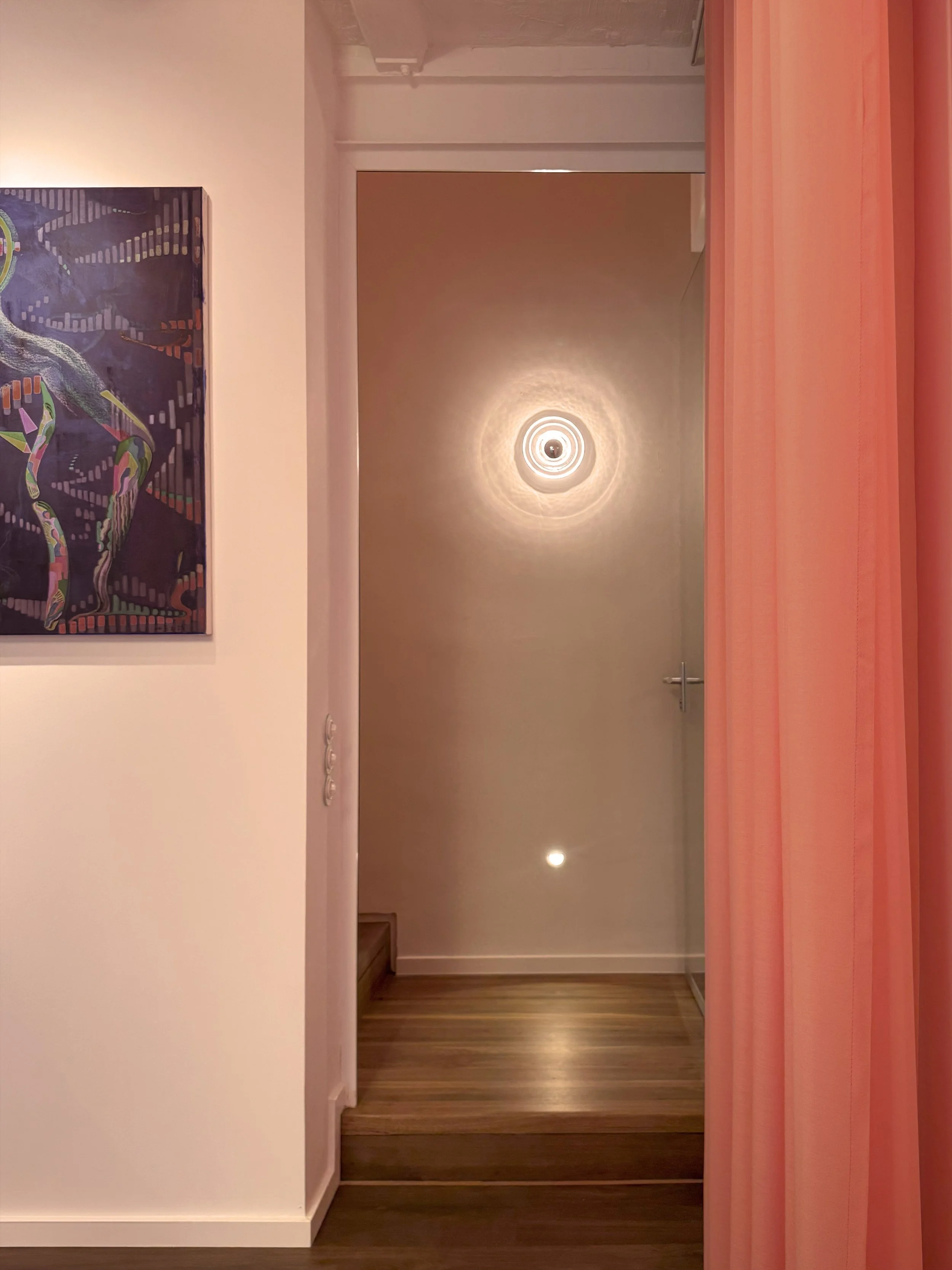
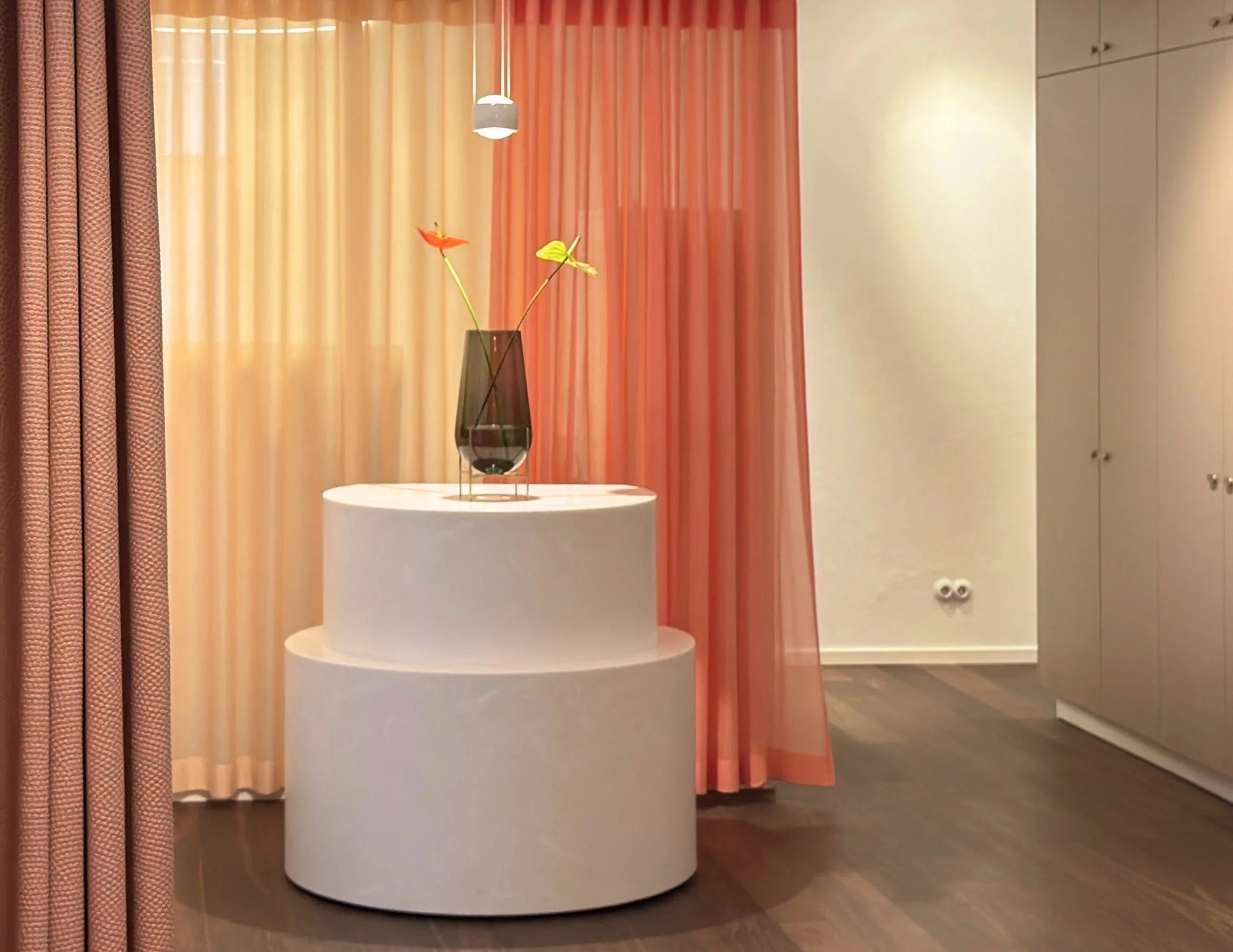
Healthcare Spaces Are Changing
The boundaries between medicine, wellbeing, and hospitality are becoming increasingly fluid.
Holistic women’s health practices.
Boutique clinics.
Therapy centers.
Medical spas.
Preventive healthcare services.
New healthcare formats are emerging.
And with them, expectations toward spaces are changing as well.
Today, people are no longer looking only for medical expertise.
They are looking for orientation. Quality of stay. Trust.
And with this shift come new expectations for lighting.
Why Studio De Schutter
At Studio De Schutter, we do not view healthcare spaces solely through standards and illumination levels.
We begin with use, identity, and spatial experience.
Our lighting concepts connect medical requirements with orientation, materiality, sustainability, and emotional quality.

From boutique practices and healthcare centers to sensitive therapeutic environments, we develop lighting solutions that bring function and people together.
Because healthcare spaces can be more than places of treatment.
They can create trust.
Contact Us:
