

Kitchen Lighting Concept – When Function Meets Spatial Impact
A kitchen is not just a space.
It is a sequence.
Movement. Precision. Communication.
And that is exactly why lighting works differently here.
Too often, kitchen lighting is reduced to “bright enough.”
One ceiling light. Maybe an LED strip under the cabinets. Done.
But this approach overlooks what truly matters:
In a kitchen, everything happens at once.
– cutting and preparing
– cooking and plating
– sitting, talking, living
A good lighting concept does not separate these layers.
It connects them.
Light in the kitchen is not just functional.
It is rhythm, orientation, and spatial impact at the same time.
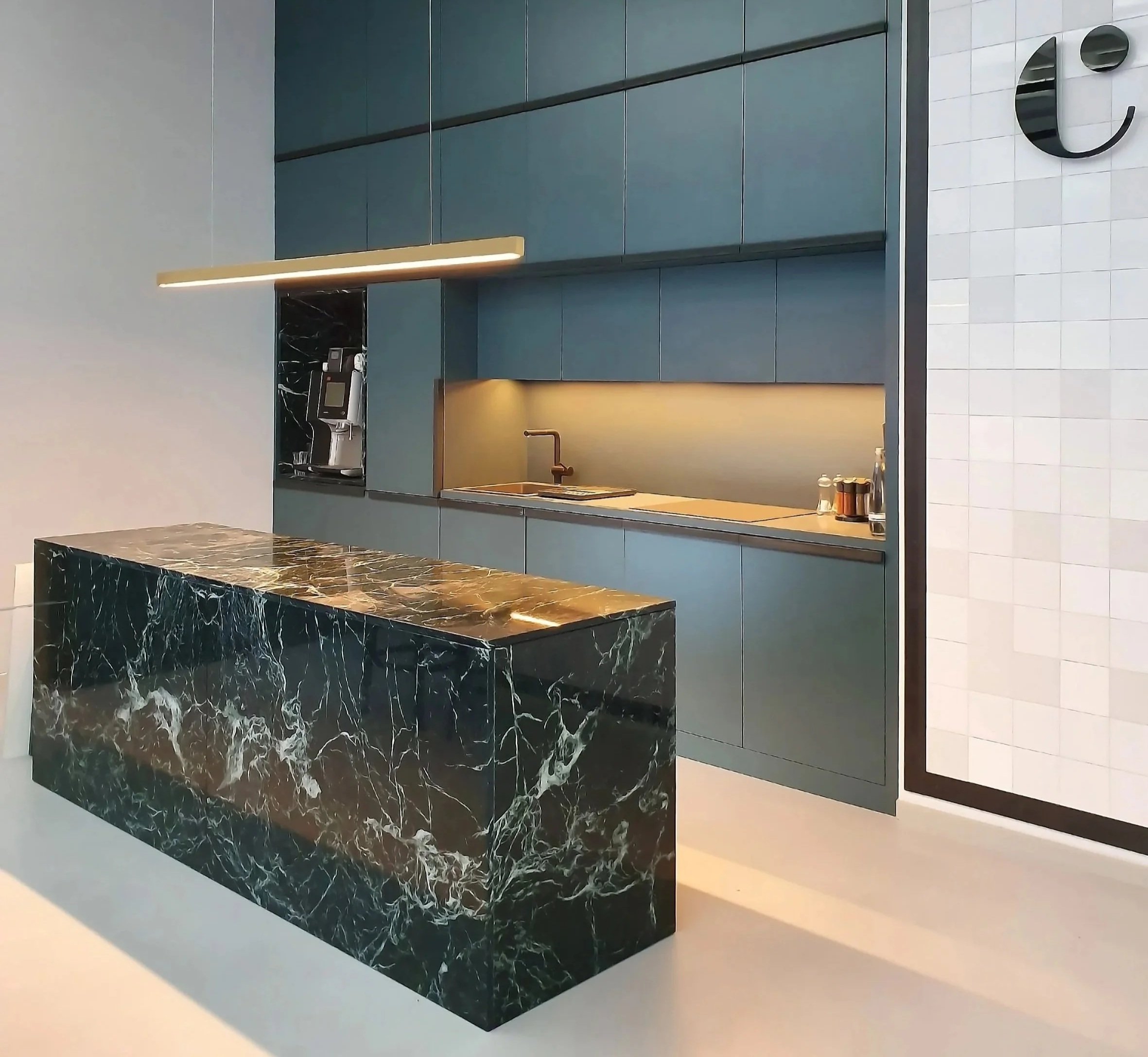
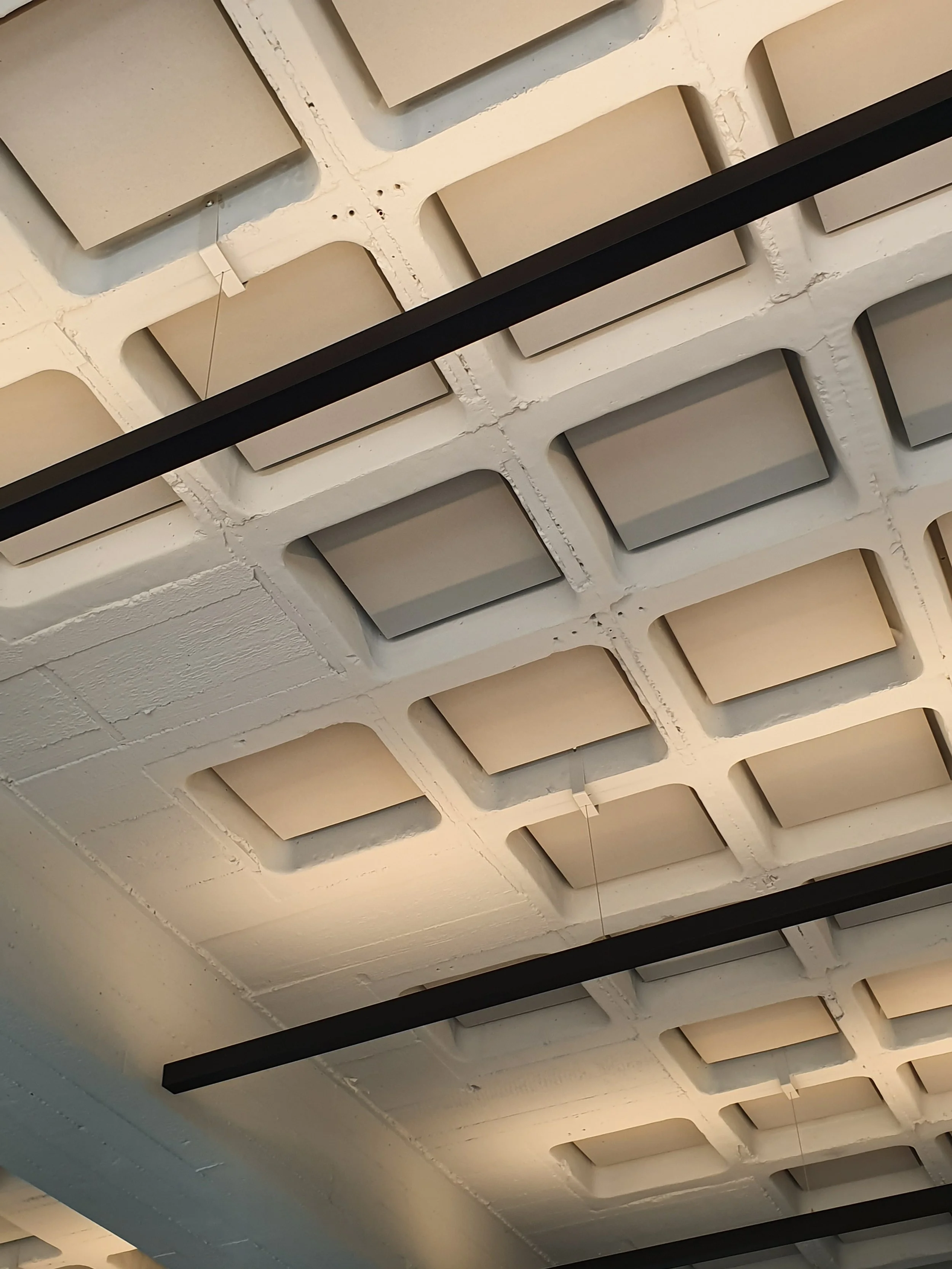
Kitchen Lighting Concept Checklist ✓
This checklist not only helps you avoid mistakes but also guides you step by step in creating a well-thought-out lighting concept for your kitchen. Each point represents a decision that influences the quality of the entire space.
01Define lighting zones instead of treating everything the same
A kitchen is never just one single area. Working, moving, sitting — everything happens at the same time. A good concept starts by clearly separating these uses.
Typical zones:
- Work surface
- Cooking area
- Kitchen island / communication
- Transition to the living space
Only once these zones are defined can lighting be used effectively.
02Plan task lighting precisely and without shadows
The most important layer is the light on the work surface. It must be functional without feeling uncomfortable.
What matters:
- Light comes from the front or side, not from behind
- No shadows caused by your own body
- Even illumination without harsh contrasts
This is where the kitchen either works — or doesn’t.
03Consistently avoid glare
Glare is one of the biggest quality killers in a space. Especially in kitchens with glossy materials, this effect becomes even stronger.
Typical mistakes:
- Visible light sources at eye level
- Incorrect beam angles
- Reflections on work surfaces
Glare-free lighting creates calm and clarity in the space.
04Stage the kitchen island deliberately
The island is often the centerpiece of the kitchen. Lighting here defines the overall impression of the space.
Key aspects:
- Pendant lights as visual anchors
- Correct height and spacing
- Balance between function and design
The island is not just a workspace — it’s a stage.
05Plan indirect lighting for depth
Without indirect lighting, a kitchen feels flat and technical. This layer is what creates spatial depth.
Options:
- Cove lighting on ceilings or walls
- Lighting under furniture
- Backlit surfaces
Indirect lighting connects architecture and use.
06Match light color to materials
Materials react strongly to light. The wrong light color can make high-quality surfaces look flat.
Typical issues:
- Wood appears gray instead of warm
- Stone loses depth
- Food looks unnatural
Light color is a design tool — not a coincidence.
07Make lighting controllable and flexible
A kitchen changes throughout the day. The lighting should adapt to that.
Key functions:
- Dimming
- Different scenes
- Separate control of individual areas
Lighting only becomes truly useful through control.
08Integrate lighting early in the planning
The most important decision happens at the very beginning. Is lighting integrated early — or added at the end?
If it comes too late:
- Missing installation depth
- Visible technical elements
- Missed design opportunities
Good lighting is not an afterthought. It is considered from the start.
A well-designed kitchen lighting concept is always based on multiple layers that work together while remaining independently controllable.
The biggest challenge is not to treat function and atmosphere as opposites, but to integrate them. Bright, precise light for the work surface should not feel cold. At the same time, atmospheric lighting must not compromise functionality.
The three key lighting layers:
– Task lighting
Direct, shadow-free light on the work surface. Precise, glare-free, clear. Essential for safety and efficiency.
– Ambient lighting
A balanced overall brightness that provides orientation and makes the space readable without feeling dominant.
– Accent lighting
Indirect lighting, pendant lights, or targeted light points that create depth and transform the kitchen into a true living space.
Only through the interaction of these layers does a space emerge that both functions and feels right.
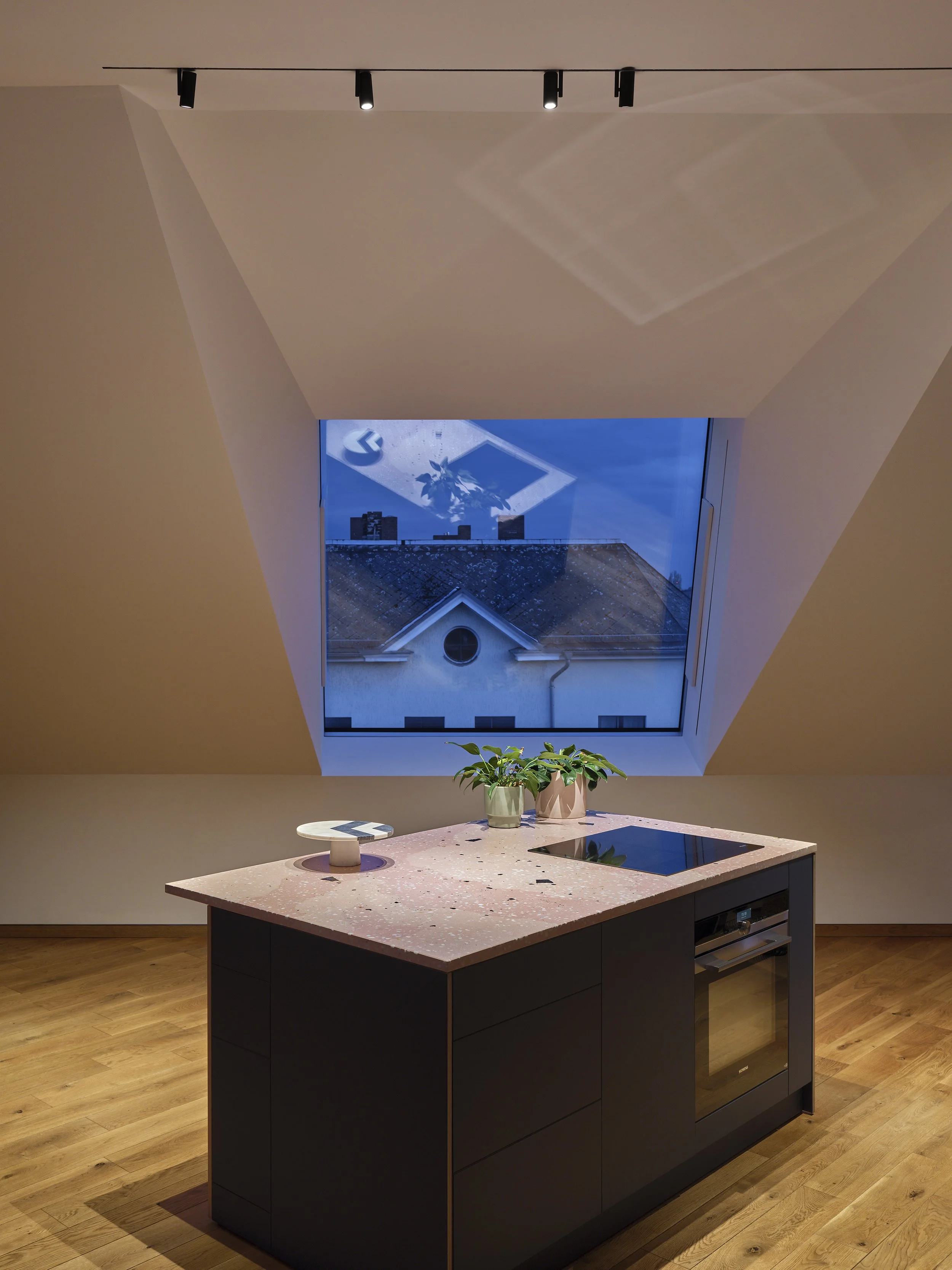
Kitchen islands as a stage – lighting becomes the centerpiece
In open kitchens, the role of lighting shifts significantly.
The kitchen is no longer just a functional space – it becomes part of living, part of communication, part of everyday life.
The kitchen island becomes the center.
The place where everything comes together – preparation, conversations, spontaneous moments.
And that’s exactly why the lighting above it becomes a defining design element.
At this point, it’s no longer just about illumination, but about staging in the best sense. Pendant lights define the space, create visual anchors, and establish a clear connection between the kitchen and the living area. They structure the space without separating it and give the island its own presence.
At the same time, the position, height, and light distribution of these fixtures directly influence how the space is perceived. Light that is too harsh feels functional and distant. Light that is too soft loses clarity. The right balance makes all the difference.
What matters is balance:
– enough light for use and precise work
– at the same time a warm, residential atmosphere without technical harshness
– clear alignment of the fixtures without glare or shadows
– integration into the overall architecture instead of isolated design
The lighting above the island is therefore far more than just functional.
It becomes the visual centerpiece, the connecting element between cooking and living.
And this is often where the decision is made:
whether a kitchen feels like a workspace —
or like the true heart of the home.
Technology you don’t see – but feel
A good kitchen lighting concept is rarely loud.
It is precise.
And that’s exactly where its quality lies.
You don’t consciously notice it — but you immediately feel when it’s missing.
Many of the key elements remain invisible, yet directly influence perception and comfort within the space:
– integrated profiles instead of visible fixtures
– indirect light sources for spatial depth
– coordinated light temperatures depending on the time of day
– dimmable systems for flexible use
– glare-free alignment for visual calm
This interplay is further enhanced by details that often only become noticeable at second glance, but make a lasting difference: uniform light distribution without harsh transitions, seamless integration into furniture and architecture, and technical planning that considers maintenance and adaptability from the very beginning.
Technology fades into the background.
Effect comes to the foreground.
And that’s when a space is created that not only looks good,
but naturally feels right.
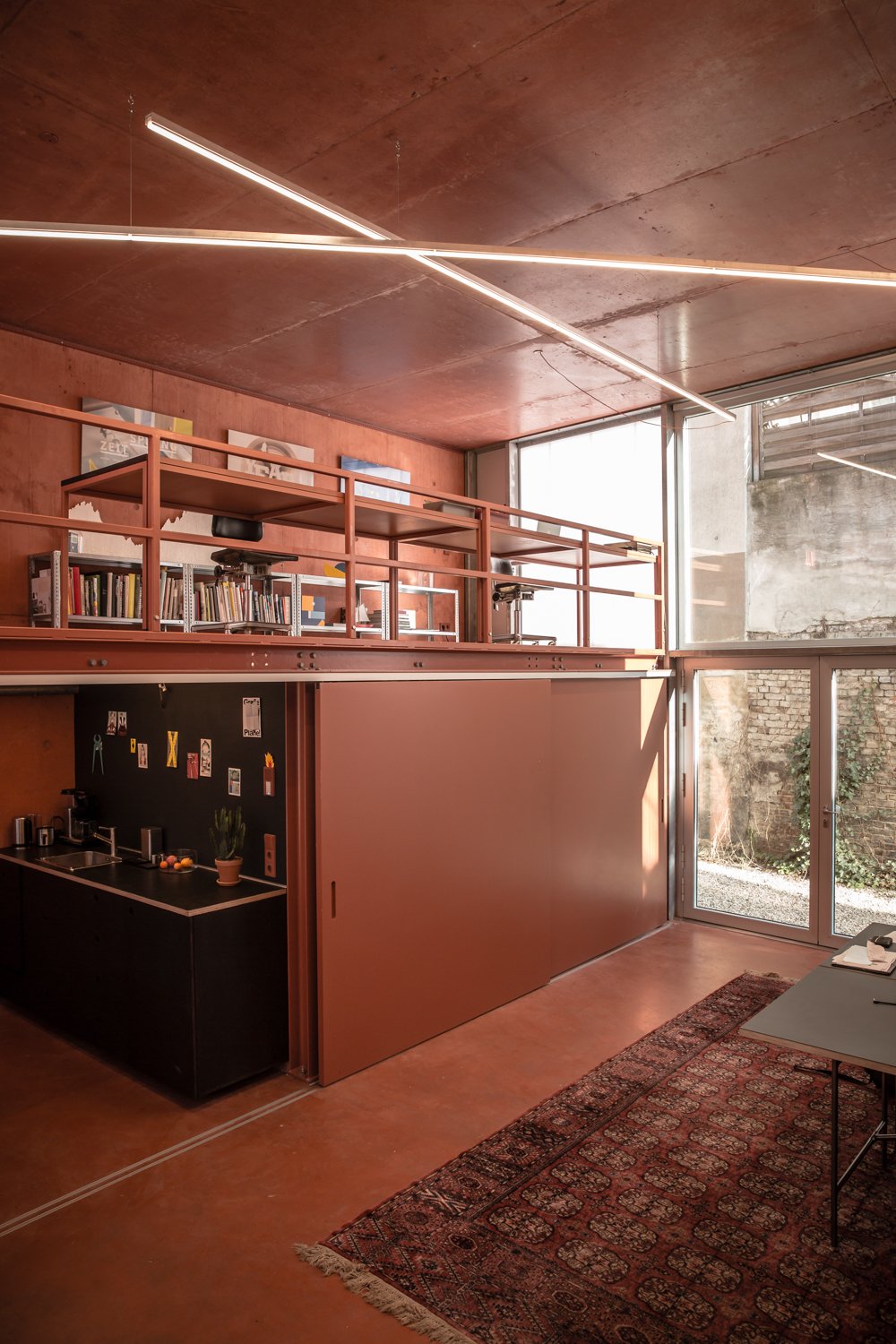
Why a professional kitchen lighting concept is essential
The kitchen is one of the most complex spaces in everyday life.
And at the same time, one of the most emotional.
Here, lighting doesn’t just determine whether you can see well.
It determines whether you feel comfortable.

A professional lighting concept considers these layers together from the very beginning:
– architecture and use
– daylight and artificial light
– function and atmosphere
– technology and design
This way, no compromise is created.
But a space that can do both.
Work perfectly.
And truly be lived in.
Contact Us:
