
LED lighting design in Berlin
Technology, emotion and sustainability in harmony
Anyone searching for LED lighting design in Berlin usually has a concrete project in mind:
A new build.
An office.
A showroom.
A residential property.
And needs reliable, well-founded answers.
Here are a few general guidelines:
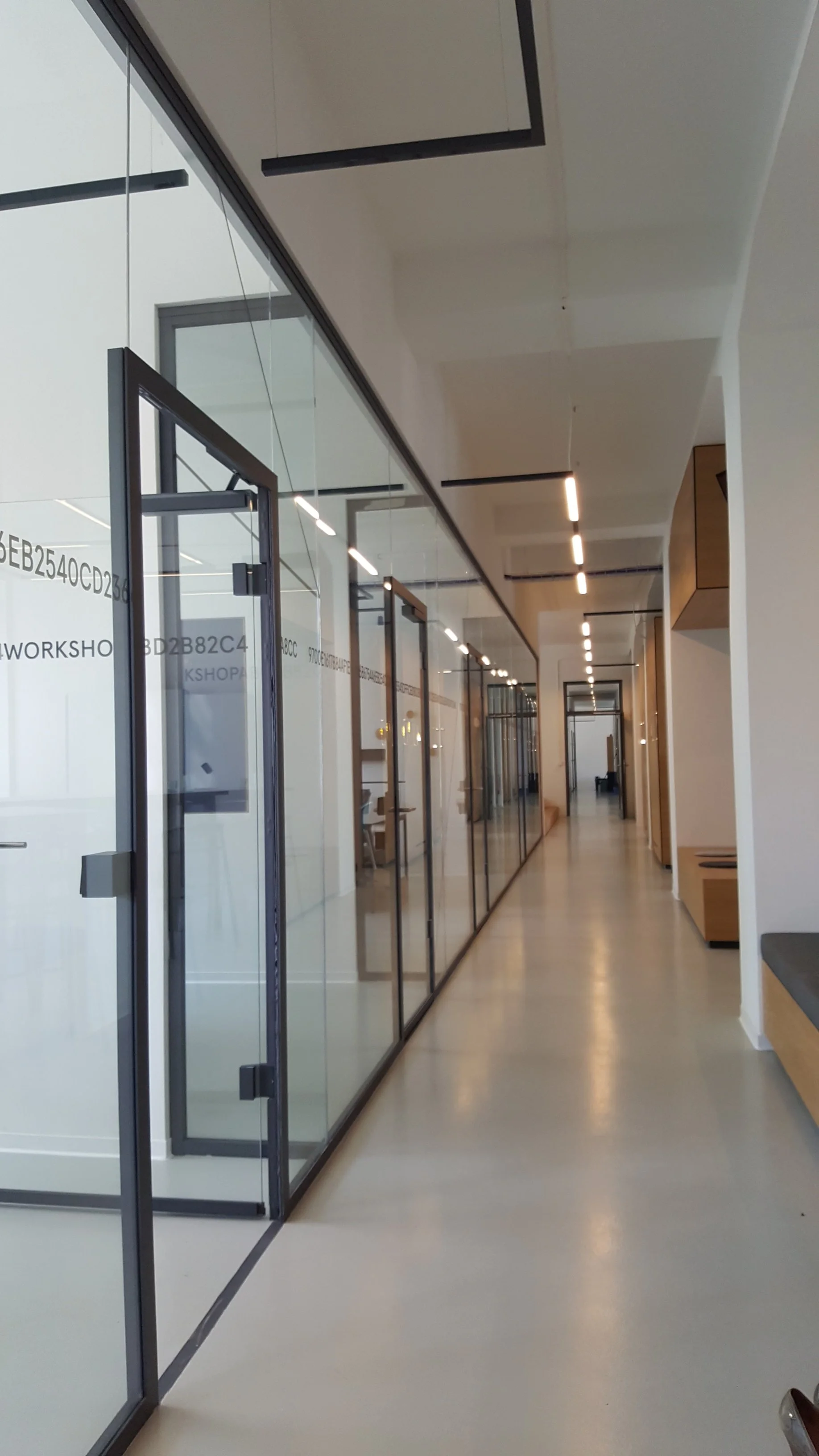
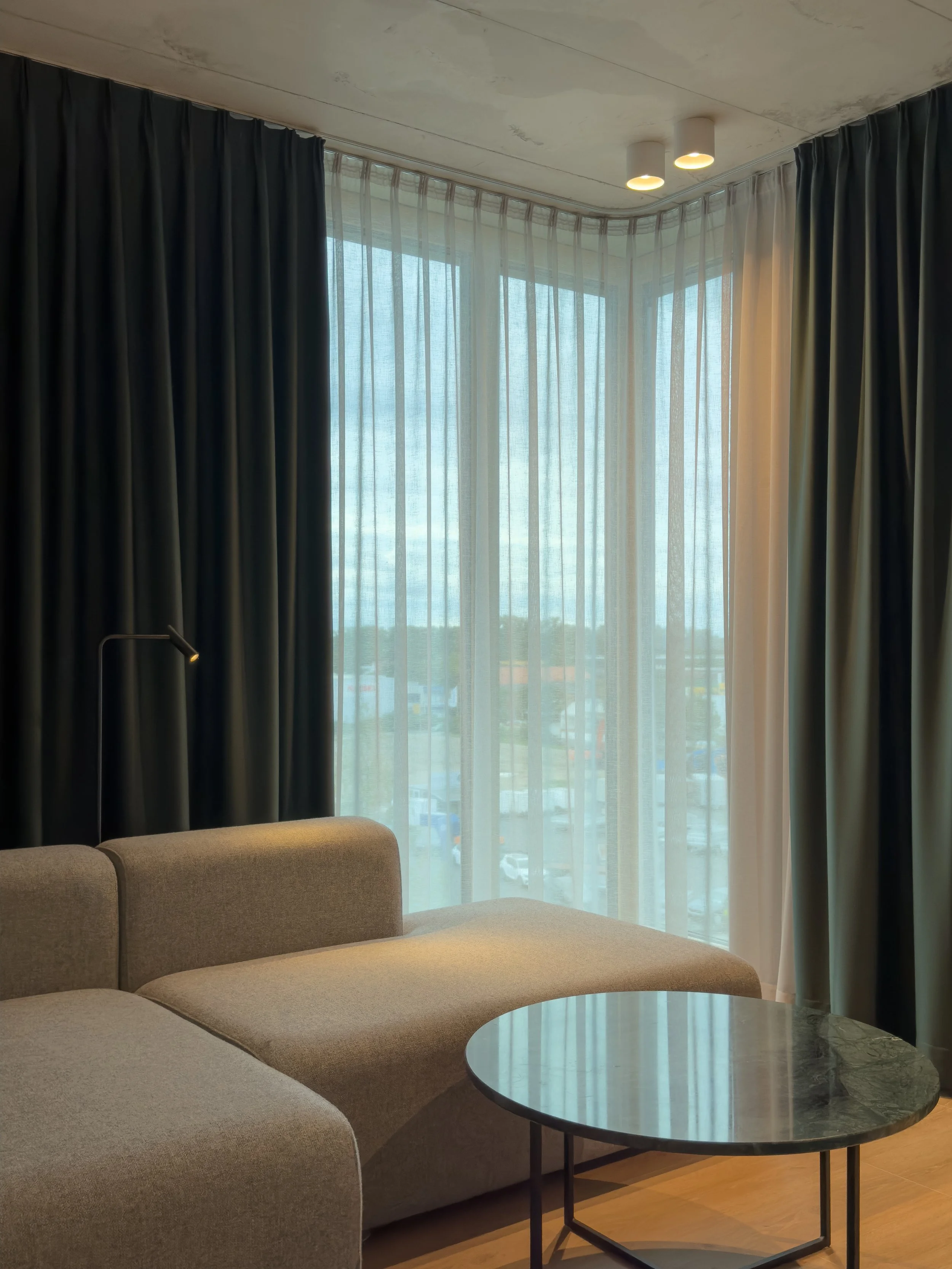
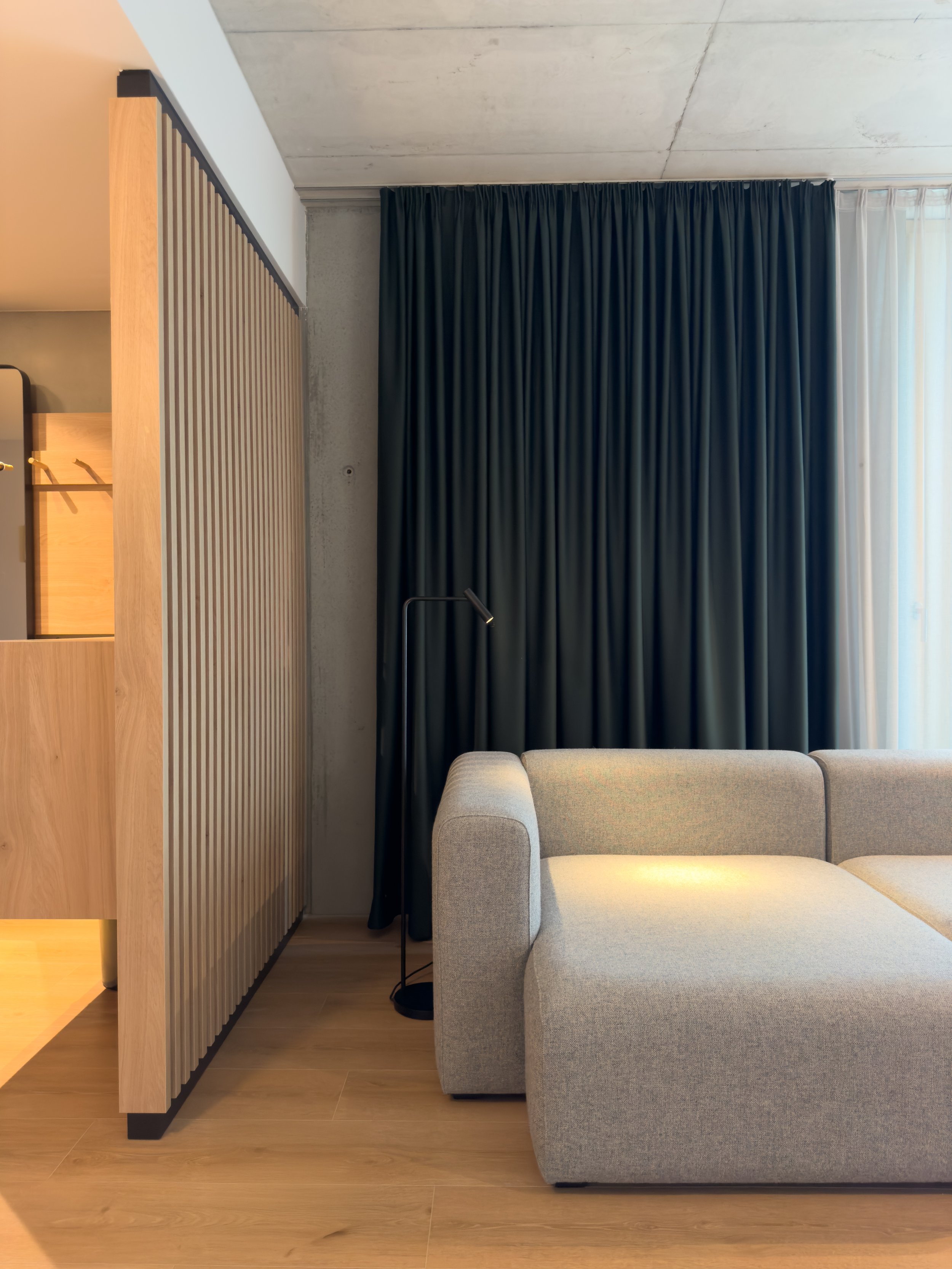
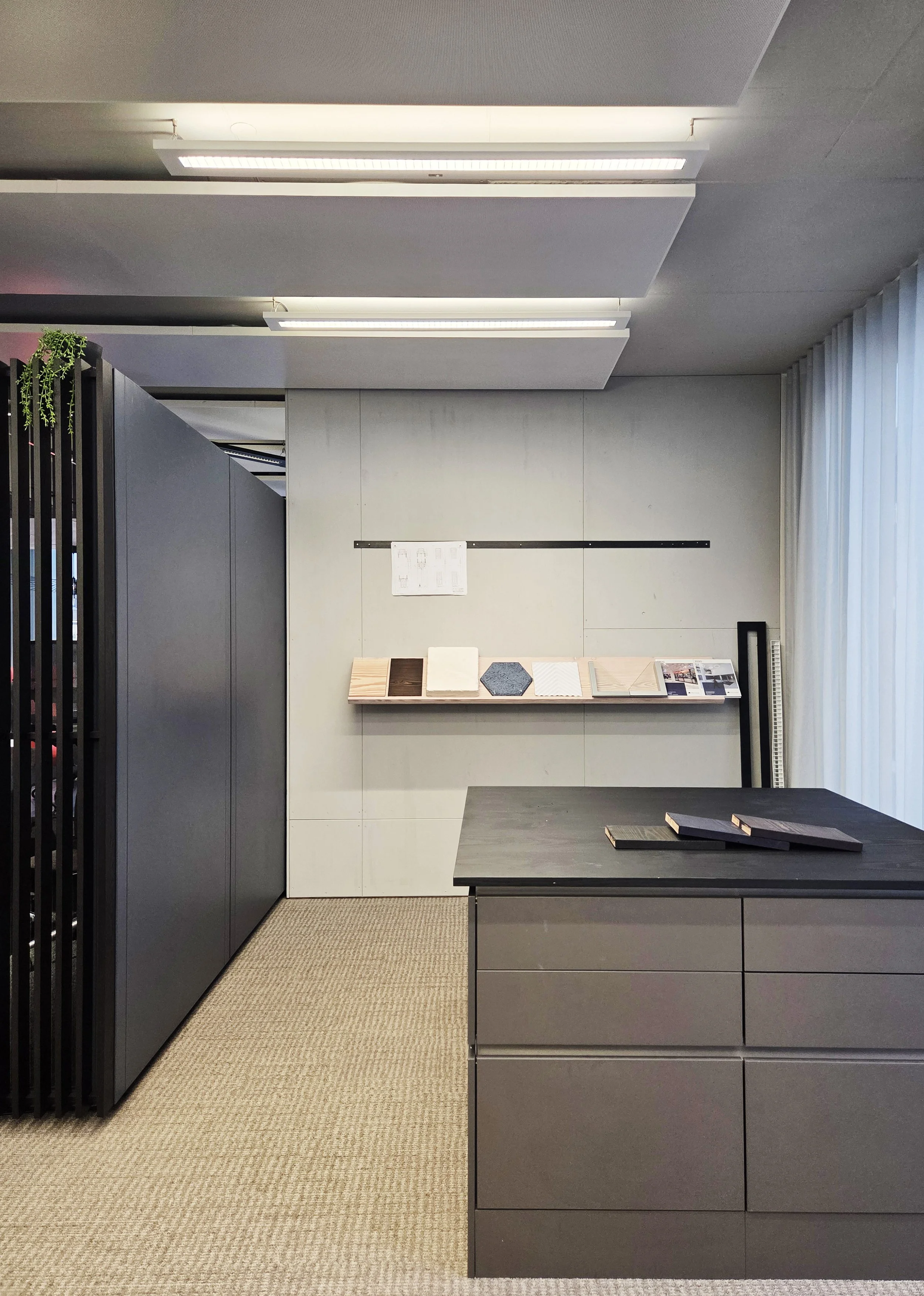

Lighting in the Coreum Hotel: Designed by SDS.
1. Light quality: precision instead of compromise
LED is not the same as LED.
What matters are measurable criteria that we define already in the concept phase:
• CRI above 90 for realistic color rendering
• TM-30 analysis for a differentiated evaluation of color fidelity and saturation
• UGR below 19 for visual ergonomics in work environments
• MacAdam 2- or 3-step for uniform light colors without visible deviations
These parameters determine how materials appear.
How skin tones are perceived.
How surfaces are read.
Light should not distort.
It should refine.
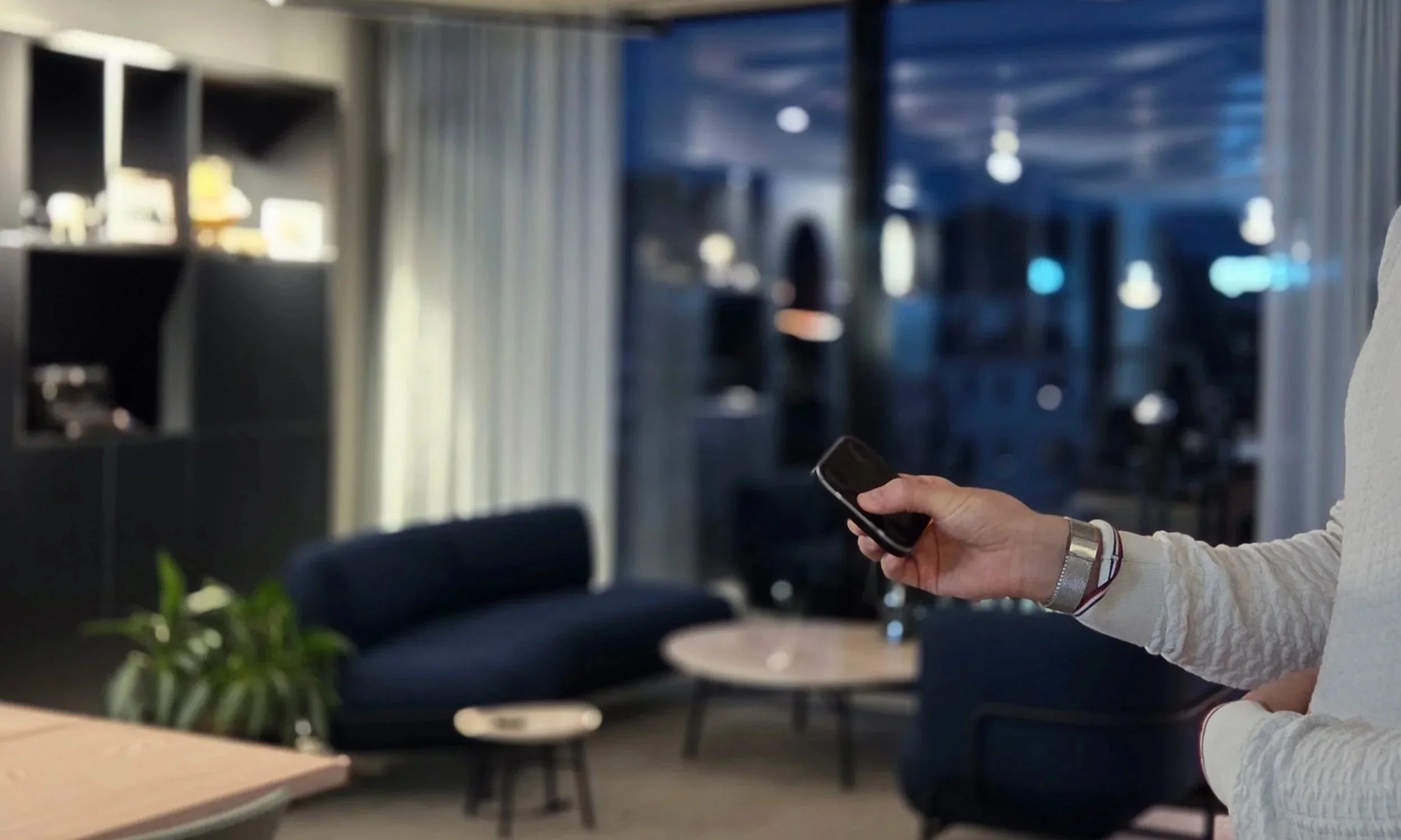
Lighting in the Ahrend x Office Group Showroom: Designed by SDS.
2. Control: intelligent systems instead of isolated solutions
Modern LED lighting design is scenario-based.
Technical foundation:
• DALI or KNX integration
• Tunable White systems from 2700K to 6500K
• Daylight-responsive control
• Presence sensors and zoned control
We do not design static installations, but adaptive systems that respond to use and time of day.
A conference room reacts differently than an open space.
A lounge differently than a reception area.
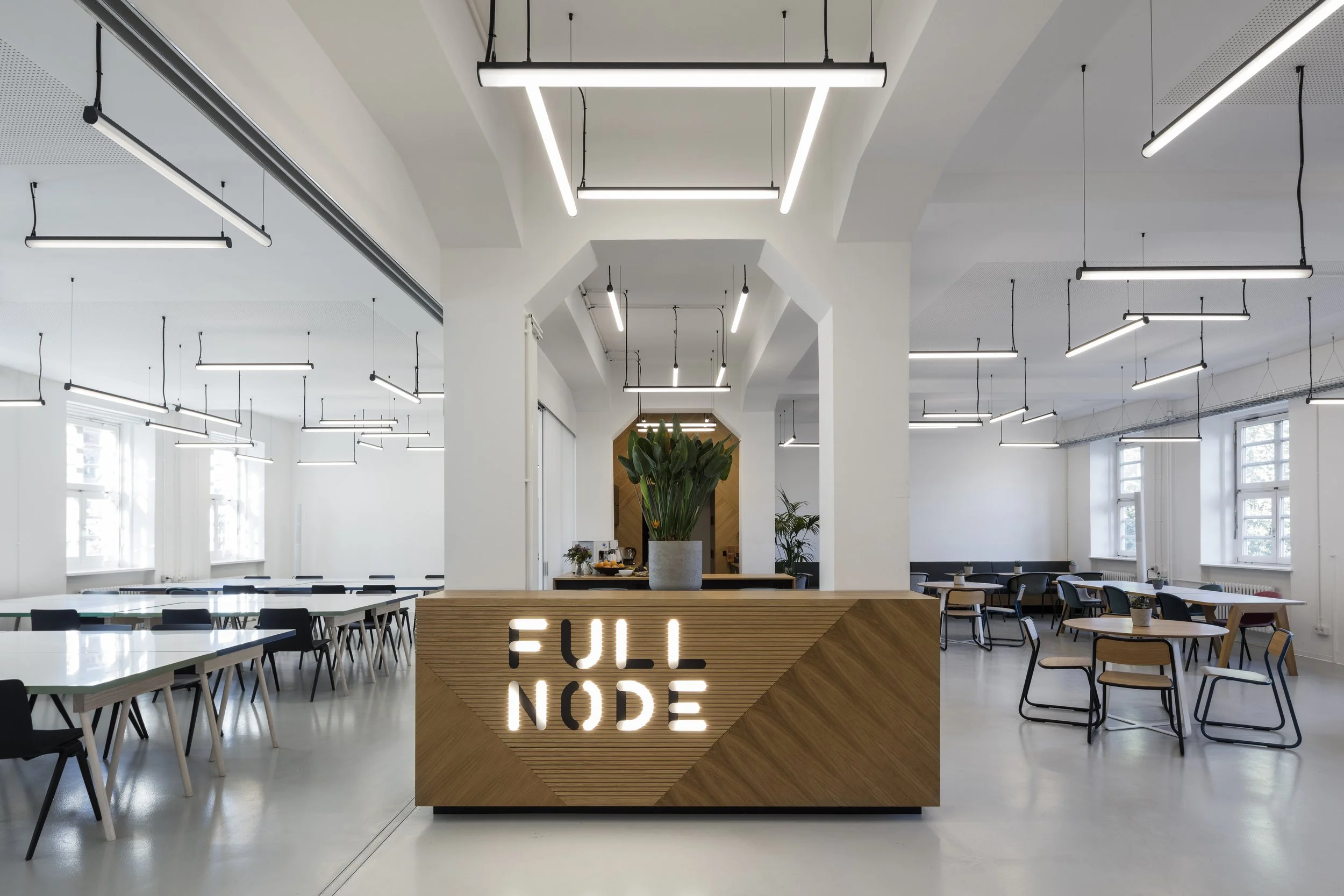
Lighting in the Full Node Office: Designed by SDS.
3. Integration into architecture
LED systems today enable a level of constructive precision that was hardly achievable in the past. Thanks to compact dimensions and flexible installation options, lighting solutions can be aligned exactly with the architectural concept — not the other way around.
Typical elements in our projects:
• Flush-mounted downlights with a calm ceiling appearance
• Linear profiles with minimal installation depth
• Concealed coves for indirect illumination
• Accent spots with narrow beam angles
Light is not an add-on.
It is part of the spatial structure.
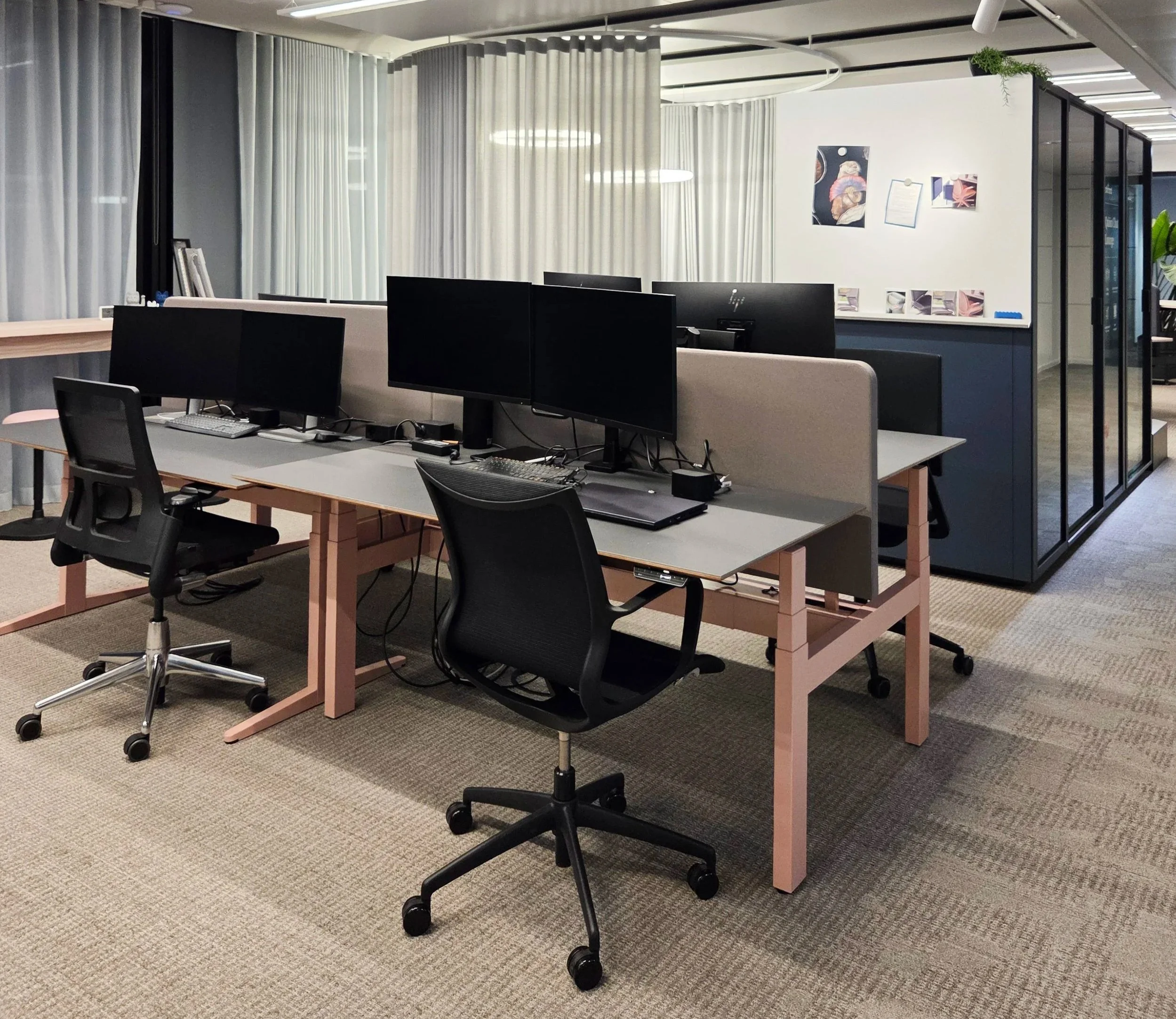
Lighting in the Ahrend x Office Group Workplace: Designed by SDS.
4. Efficiency and lifecycle
For us, sustainability is not decorative — it is technically embedded. It begins with the selection of systems and continues through detailed planning. What matters is not only energy consumption during operation, but a holistic view over many years.
Relevant parameters in our projects:
• System efficiencies above 120 lm/W
• L80/B10 values at 50,000 hours and beyond
• Modular driver concepts with replaceable components
• Maintenance-friendly constructions and clear accessibility
In addition, well-considered control strategies prevent unnecessary operating hours and regulate energy use according to actual demand. Efficiency becomes measurable — not only on paper, but in real operation.
We think in lifecycles.
Not in trends.
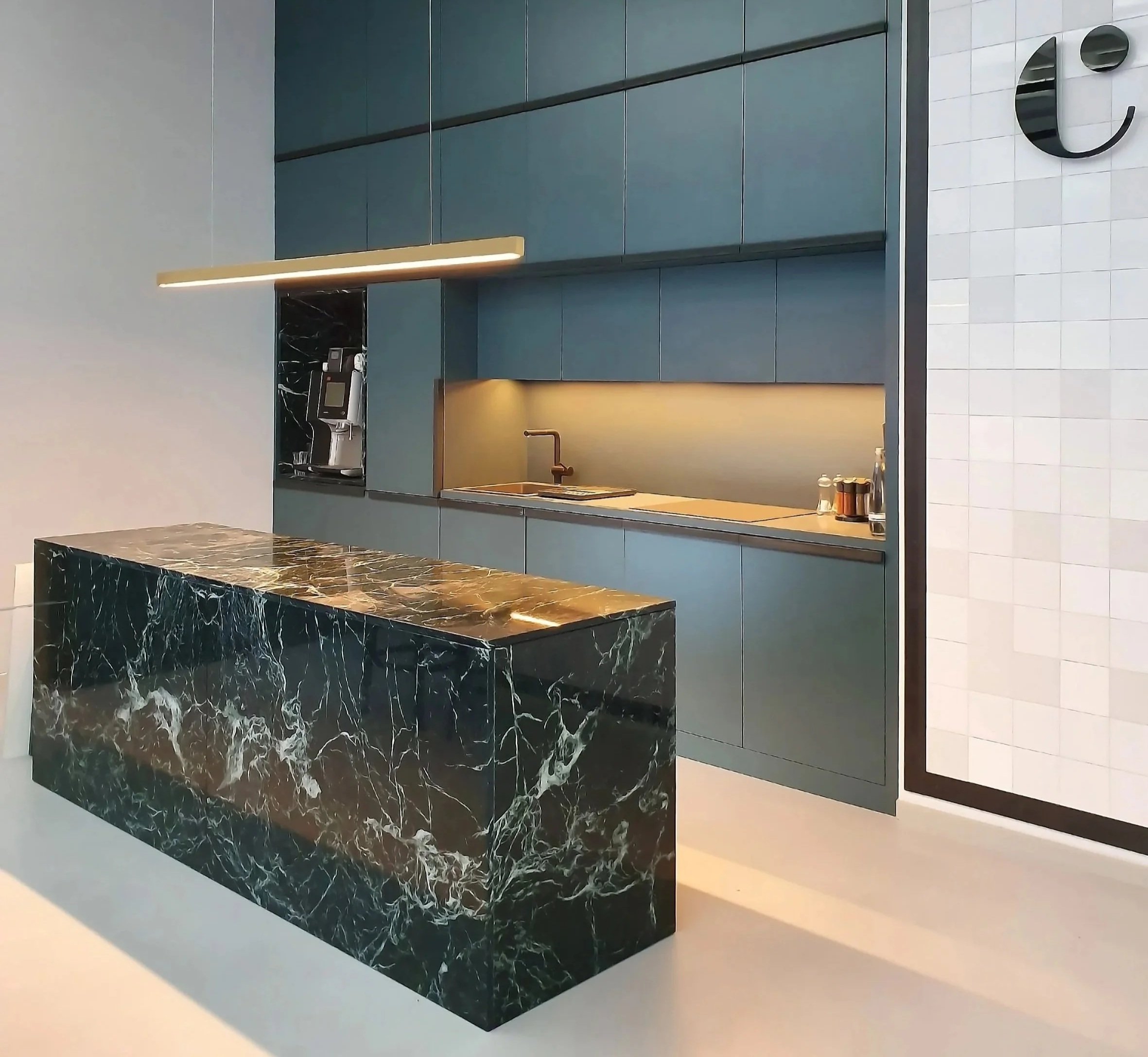
Lighting in Covivio: Designed by SDS.
5. Different requirements, one clear stance
Office and New Work
• Standard-compliant lighting according to DIN EN 12464
• Vertical illumination for spatial depth
• Glare-free workstation solutions
Here, visual performance takes priority.
Retail and showroom
• Precise accentuation
• Flexible track systems
• High color stability
Products are staged — without exaggeration.
Residential and villa
• Warm light colors below 3000K
• Finely tuned dimming scenes
• Integration into smart home systems
Why Studio De Schutter
LED technology is widely available. Expertise is not.
Studio De Schutter combines architectural understanding with deep technical detail knowledge. We work manufacturer-independently, develop tailored concepts, and support projects from the early design phase through to on-site implementation.
A space can be illuminated in compliance with standards. Or it can be intentionally designed.
The difference lies in the planning.
When technology, emotion and sustainability are aligned, lighting emerges that supports performance, makes identity visible and endures over time.
LED is the tool.
Planning makes the difference.
Contact Us:
