

You are tired.
You are lying in bed.
And yet you still cannot fall asleep.
Millions of people know this feeling. And most of them look for the solution in the wrong place — sleeping pills, melatonin drops, sleep apps. Yet the real problem is often sitting right above their heads.
It is the light.
Not just any light. The light in your home. The light you switch on every evening without thinking. The light that tells your brain it is midday.
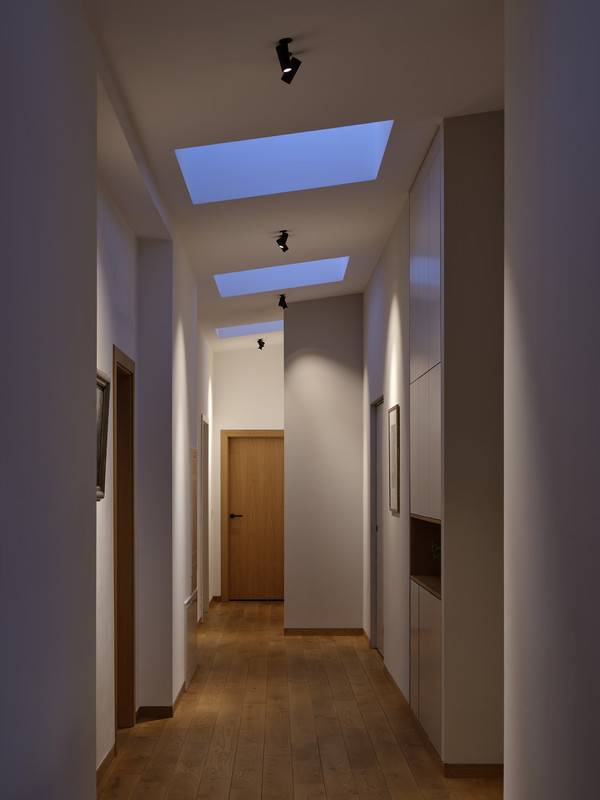
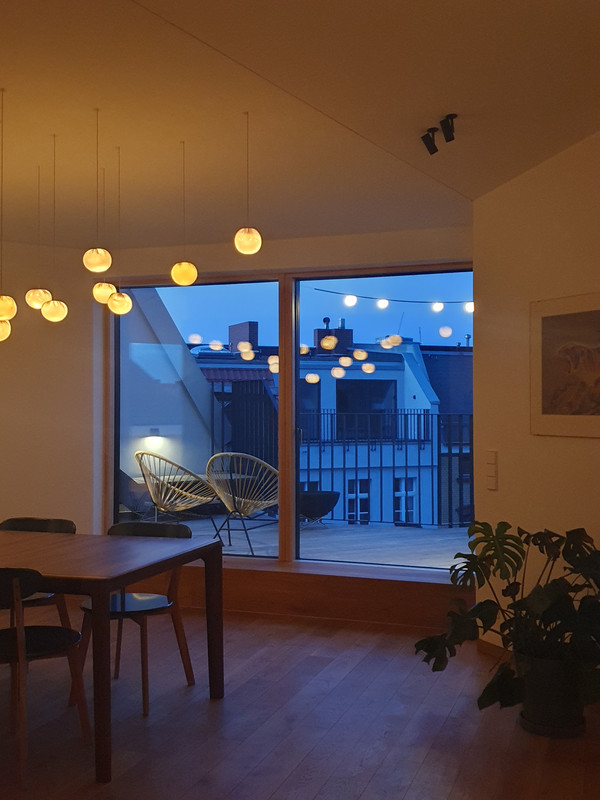
The human body does not run on a clock measured in hours. It runs on a clock measured in light.
This is called the circadian rhythm. A biological timekeeper calibrated over millions of years to daylight. To the natural cycle of brightness and darkness.
When light reaches the retina, it sends a clear message to the brain:
Daytime. Wake up. Perform.
Melatonin production is reduced. Cortisol rises. The body prepares itself for activity.
This is exactly why daylight in the morning is so important. It gives the body orientation, creates rhythm, and makes the difference between feeling truly awake and constantly tired.
The problem is that the same signal also works at 10 PM. It works with your LED ceiling spotlight. And it works with your smartphone.
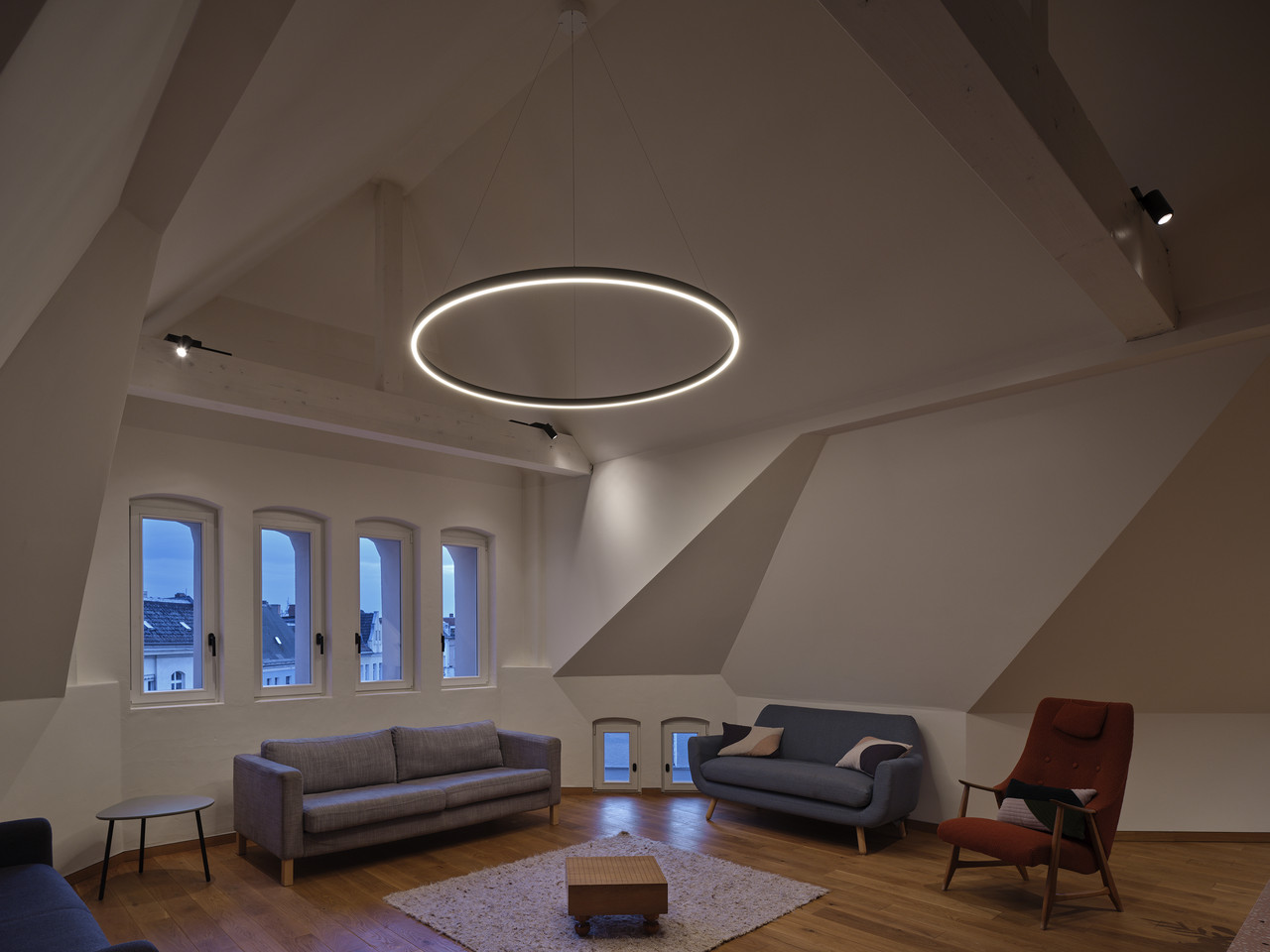
Everyone talks about blue light. Screens. Smartphones. The blue portion of artificial light.
That is true. But it is only part of the story.
The real issue is not which device you use. It is how your spaces are illuminated.
Light colour and light intensity always work together. Even warm light can be problematic if it is too bright, directly visible, or evenly illuminates an entire room.
Cool white ceiling lighting — the standard solution in millions of homes — activates the same photoreceptors the body uses to determine the time of day. Just like sunlight.
Your brain interprets it as noon. No melatonin. No sleep.
Poor sleep is not a lifestyle issue. It is a health issue.
- Higher risk of cardiovascular disease
- Weakened immune system
- Reduced cognitive performance
- Emotional instability and irritability
- Accelerated cellular ageing
More than 40% of people experience chronic sleep deprivation. Most have no idea that their home lighting may be contributing to it.
Most homes are illuminated for function — not for the people living inside them.
They provide brightness. But they do not guide the body through the day.
- Ceiling spotlights with 4000 K or more — stimulating late into the evening
- Dimmers without colour temperature control — dimmer does not automatically mean warmer
- Only one layer of overhead lighting — creating a permanent midday effect
- Bathroom mirrors with 6000 K lighting — effectively a sunrise before bedtime
- No automation — manual lighting is rarely adjusted at the right time
- Too little indirect lighting — reducing depth, calmness, and orientation
None of these mistakes are obvious. Which is exactly why almost everyone makes them.
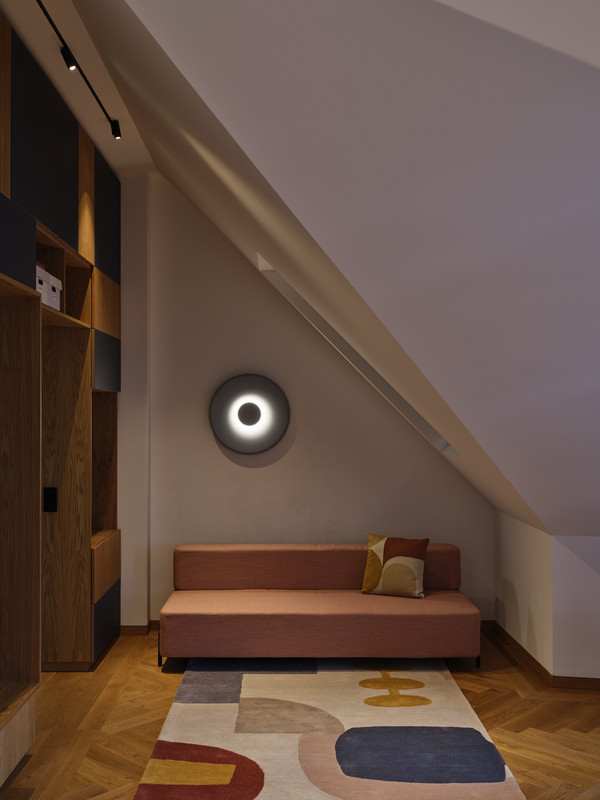
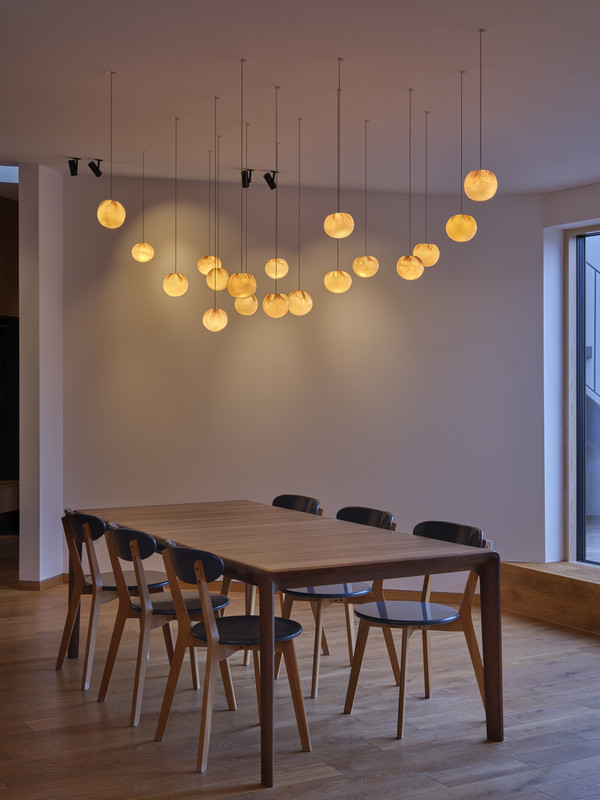
Light is not a switch. Light is a system.
If you want better sleep, you need a lighting concept that supports the rhythm of the day instead of ignoring it.
Good lighting adapts to human biology. Not the other way around.
- Morning: bright, cool light (≥ 5000 K, 500–1000 lux) to activate the body
- Daytime: dynamic lighting that follows daylight conditions
- Evening: warm, indirect lighting (≤ 2700 K, below 100 lux) to encourage recovery
- Night: darkness or biodynamic red light without blue wavelengths
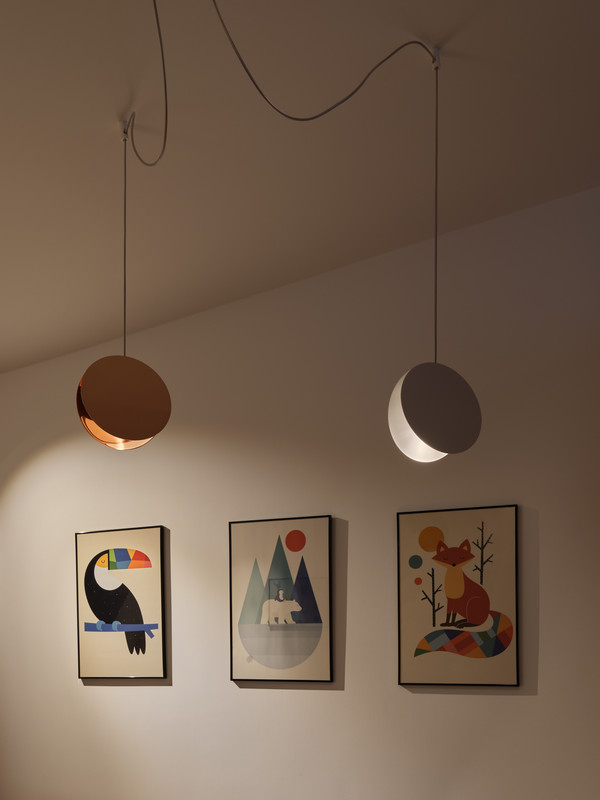
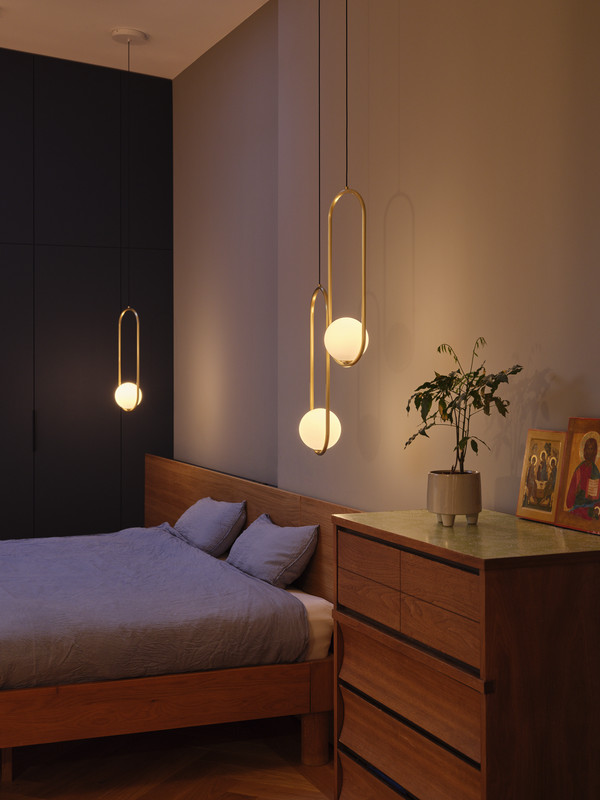
The bedroom is the most sleep critical room in any home.
And it is often the most poorly illuminated.
Wall lights instead of ceiling floodlights. Warm white light from the beginning — not cold white light simply dimmed down. No direct light sources in the line of sight when lying in bed.
The key factor is visual comfort. Light should make the room readable without shining directly into the eyes. Especially during the final minutes before sleep.
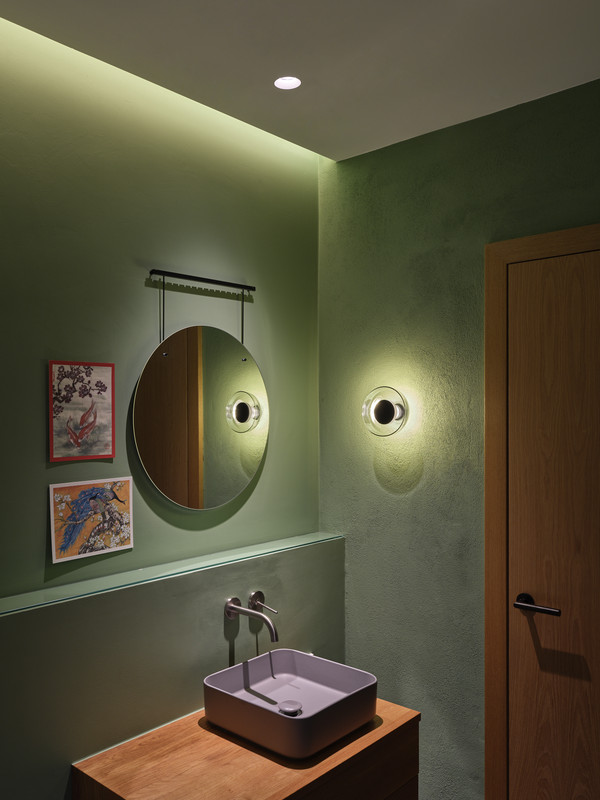
Those who take sleep seriously also consider the bathroom. Night time visits should be possible without triggering wakefulness — using warm or red orientation lighting rather than bright mirror illumination.
At Studio De Schutter, we design light. Not according to catalogues, but according to people.
Every project starts with a simple question: How does someone live here? How do they sleep? What do they need in the morning, in the evening, and at night?
The Penthouse in Eisenbahnstraße, Berlin demonstrates what becomes possible when lighting design is considered from the very beginning — together with architects, clients, and the architecture itself.
Timeless design. Comfort. Flexibility. Human centred thinking.
Light that understands what it is doing.

Contact Us:
