

Programming Casambi: 6 Steps for Thoughtful Lighting Control
Lighting control often sounds more technical than it actually is.
Open the app. Connect luminaires. Save scenes.
Done.
At least that is how it appears at first glance.
In practice, however, the real work only begins afterwards.
Because good Casambi programming does not mean activating as many functions as possible. It means organising light in a way that aligns with use, architecture and future changes.
This is exactly why Casambi is now being used in more and more projects.
Existing buildings. Gastronomy. Hotels. Offices. Flexible working environments.
Especially where traditional wiring becomes difficult or projects need to remain adaptable.
Good lighting control does not begin when luminaires are connected.
It begins with understanding how the space will be used.
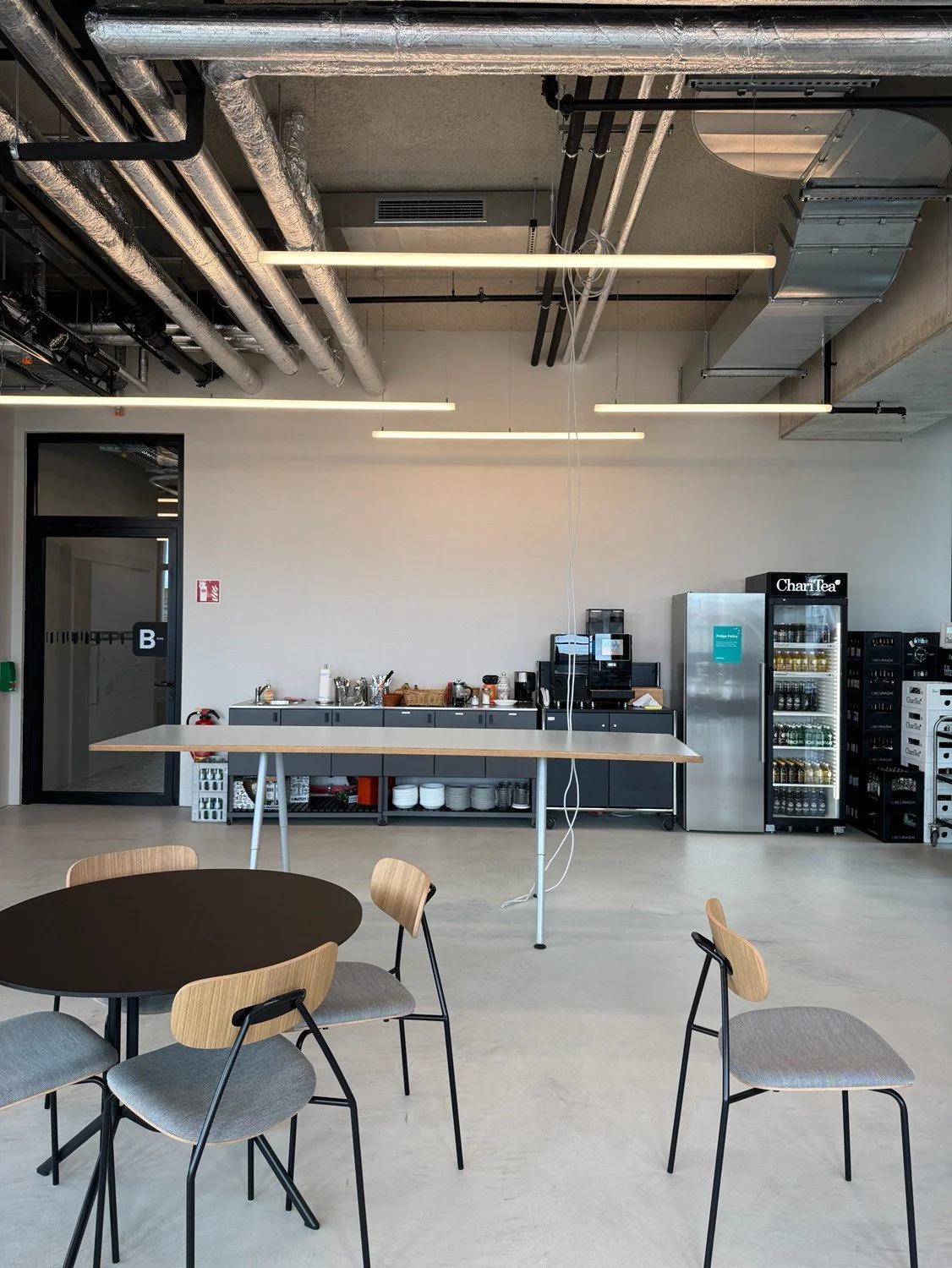
Step 1: Define the Use First
The most common mistake happens right at the beginning.
Many projects start with technology.
We recommend the opposite.
Start with the use.
Questions can be:
How does the space change throughout the day?
Which zones require different lighting levels?
Are there changing uses?
Where do people work?
Where does communication happen?
Which areas should remain independently controllable?
Only after this should the actual Casambi programming begin.
Because lighting groups are not created from luminaires.
They are created from behaviour.
Step 2: Group Luminaires Logically
Not every luminaire needs its own control.
And not every group should become as large as possible.
A good Casambi structure often works with different layers:
Level 1
Functional areas
For example:
Reception
Workspace
Meeting area
Lounge
Wayfinding
Level 2
Lighting functions
For example:
Ambient lighting
Accent lighting
Pendant luminaires
Wall lighting
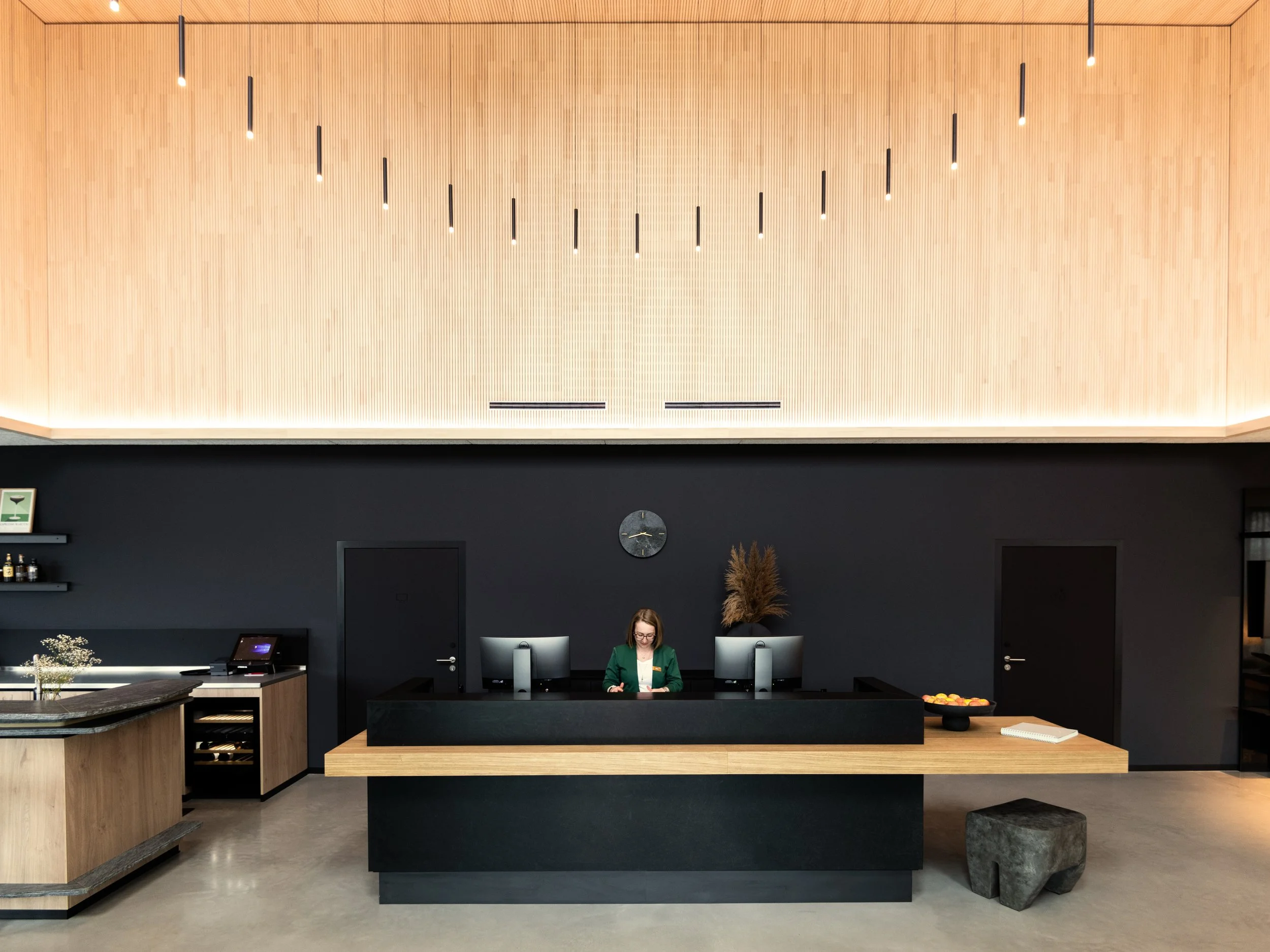
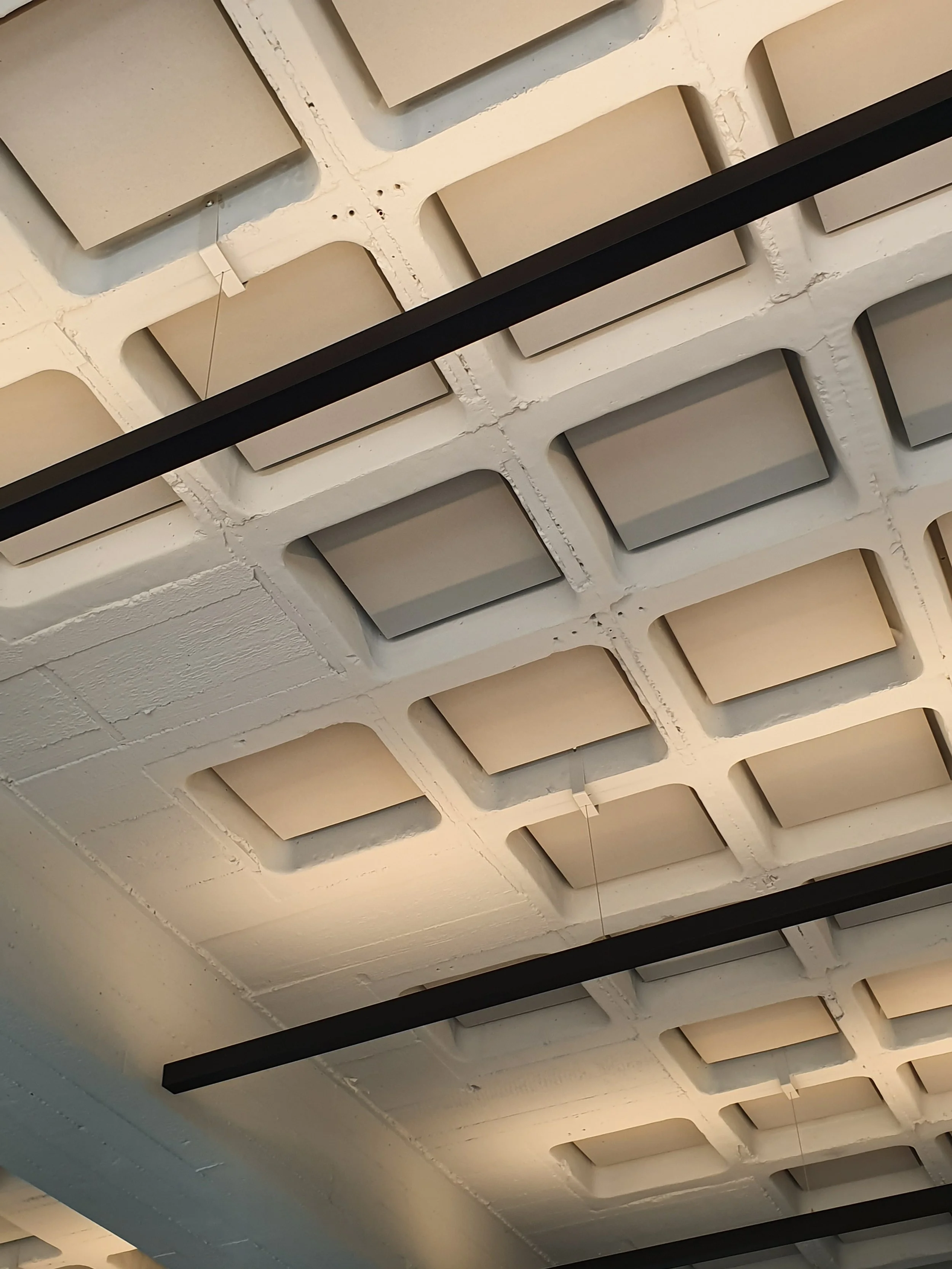
Step 3: Do Not Overload Scenes
Casambi can do a lot.
But that does not mean everything should be used.
We often see projects with:
12 scenes
15 groups
8 special modes
In the end, the user uses two.
A good rule is:
Fewer scenes.
But clearly understandable.
Example for hospitality projects:
Day operation
Evening operation
Cleaning
Event
More is often not required.
The control remains simple.
The use remains intuitive.
Step 4: Use Sensors Intentionally
Sensors often appear to be purely technical.
But they are not.
They directly influence how a space is used.
Possible applications:
Presence control
Daylight control
Time schedules
Automatic dimming
Energy optimisation
What is important:
Not every space needs maximum automation.
Sometimes a manual adjustment makes more sense.
Too much automation can also take away control.
The best solution often lies somewhere in between.

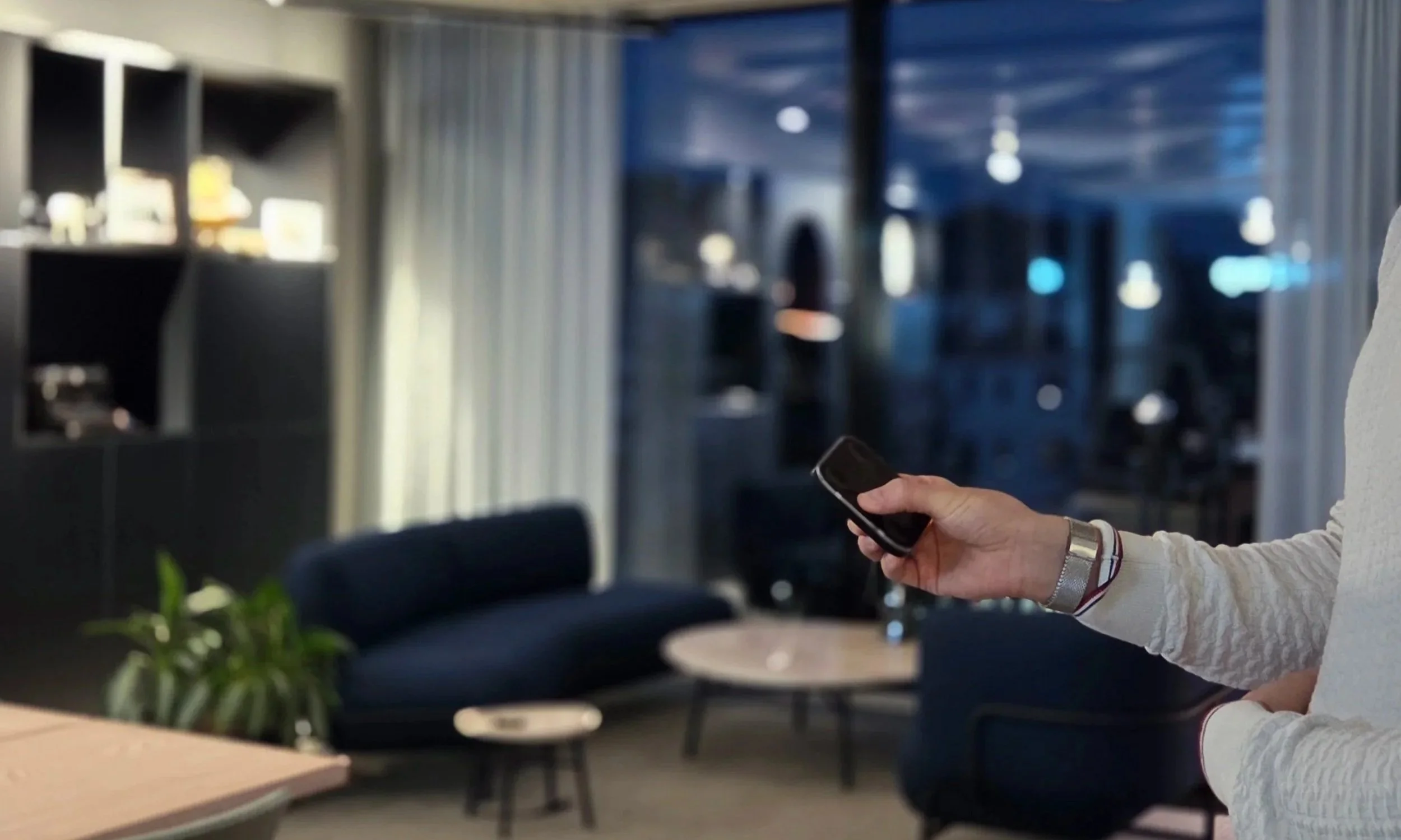
Step 5: Plan Flexibility for Future Changes
This is where Casambi shows its real strength.
Many buildings change over time.
Workspaces move.
Uses change.
Tenants have new requirements.
If the programming has been structured properly, groups and scenes can often be adapted much more easily later on.
Especially in existing buildings, this is a major advantage.
The lighting design remains flexible.
And this is often where the more sustainable solution lies.
Not rebuilding everything.
But continuing to develop it.
Step 6: Do Not Forget Documentation
The most inconspicuous step.
And often the most important one.
Good Casambi programming does not end with the last scene.
It ends with documentation.
This includes:
Group structure
Scene overview
Sensor logic
Time schedules
Naming of all components
Revision status
Without this information, every later adjustment becomes more difficult.
With it, the project remains understandable.
Even years later.
| Mistake | Consequence |
|---|---|
| Grouping by luminaires instead of use | The control feels technical, but not intuitive. |
| Too many scenes | Users lose orientation and only use a fraction of them. |
| No documentation | Later adjustments become unnecessarily complex. |
| Too much automation | The space reacts, but the user loses control. |
| Missing reserves | New uses become difficult to integrate. |
| No clear logic | The system becomes more complex with every change. |
Why Studio De Schutter Looks at Casambi Differently
For us, Casambi does not begin with Bluetooth.
And not with the app either.
It begins with one question:
How is the space used?

Only after that come groups.
Scenes.
Sensors.
Control.
We see Casambi as part of a lighting concept.
Not as a technical layer that is added afterwards.
Contact Us:
