

Lounge Lighting: Designing Atmosphere Beyond Function
Lounge lighting is never just about visibility. It is about slowing people down. About creating a sense of arrival, comfort, and subtle intimacy. In lounges, light becomes a quiet host, guiding perception without demanding attention.
At Studio De Schutter, we approach lounge lighting as a layered spatial experience. One that balances emotion, orientation, and technical clarity while leaving room for interpretation.
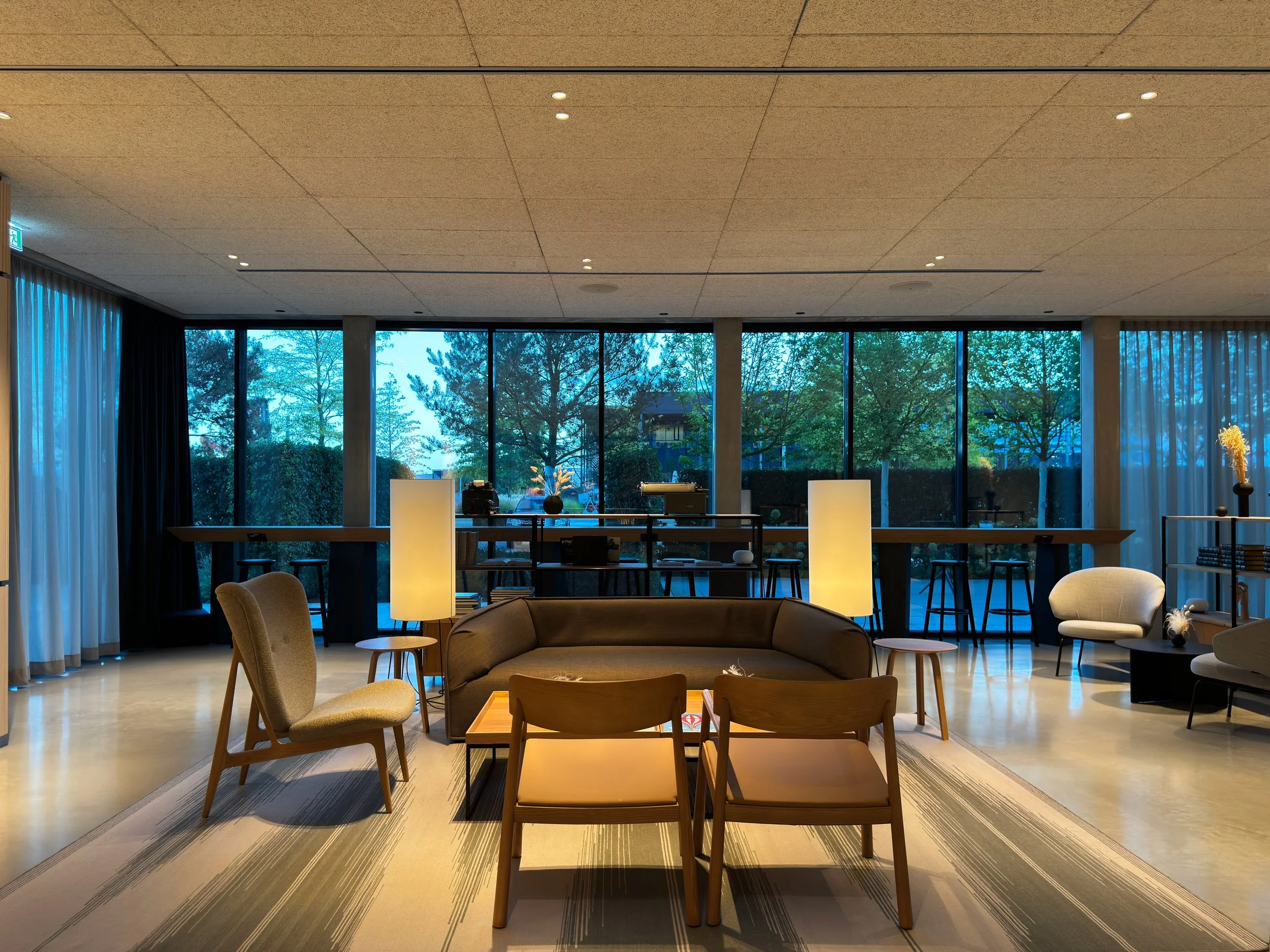
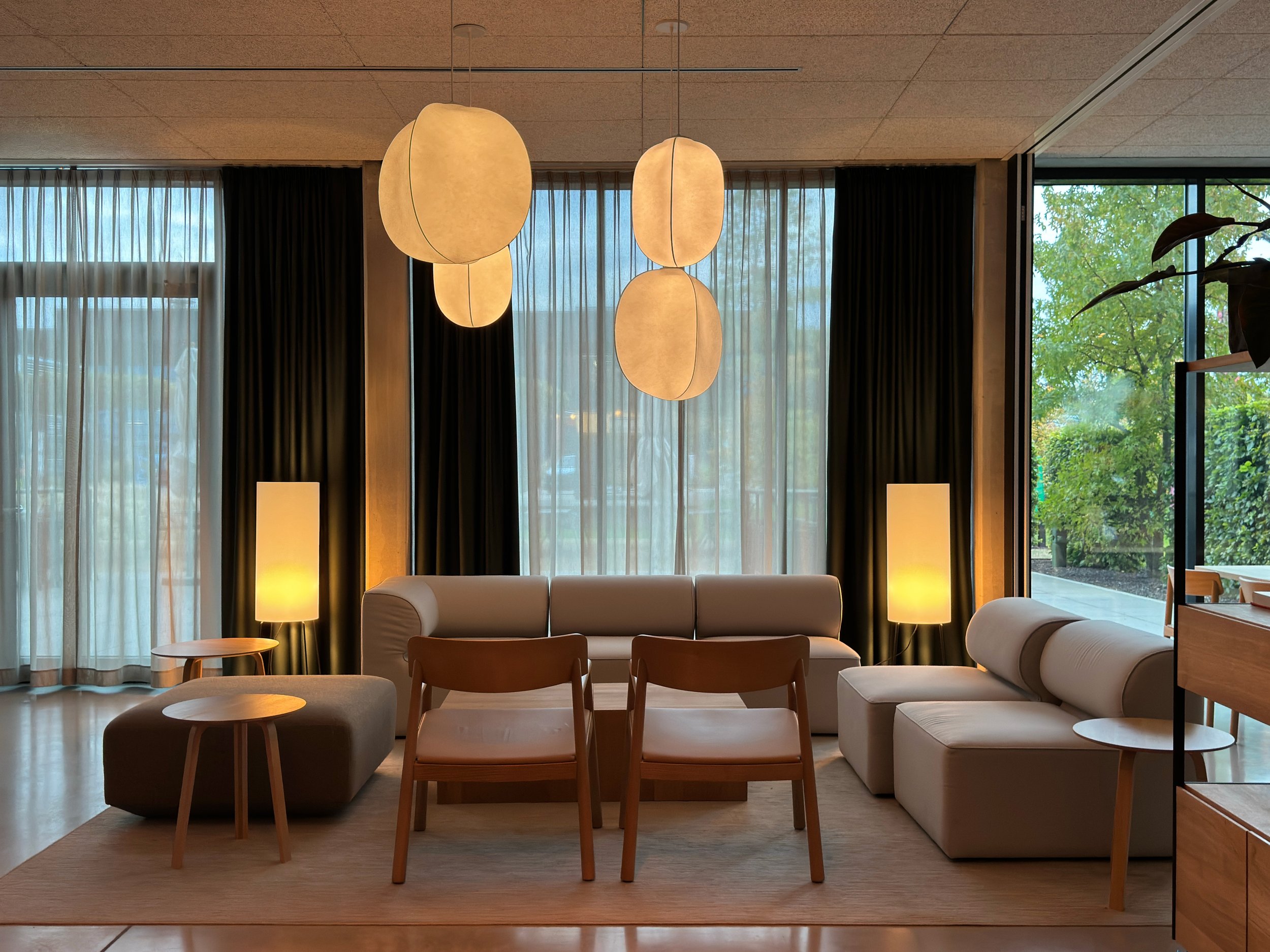
Hotel Coreum Lounge: Designed by Studio de Schutter
What Defines Good Lounge Lighting?
A lounge is not a workspace. Not a corridor. Not a showroom. Yet many Lighting Problems in lounges stem from treating them exactly like that.
Successful lounge lighting is:
Low in brightness, high in intention
Layered rather than uniform
Focused on surfaces, not fixtures
Designed for perception, not only function
The goal is not to light everything. The goal is to make people feel at ease.
💡 B2B Tip:
When planning lounge lighting for commercial spaces, always align the lighting concept with the business model. A hotel lounge, a corporate lounge, and a members’ club may look similar, but they function very differently. Lighting should support dwell time, interaction, and brand positioning – not just aesthetics.
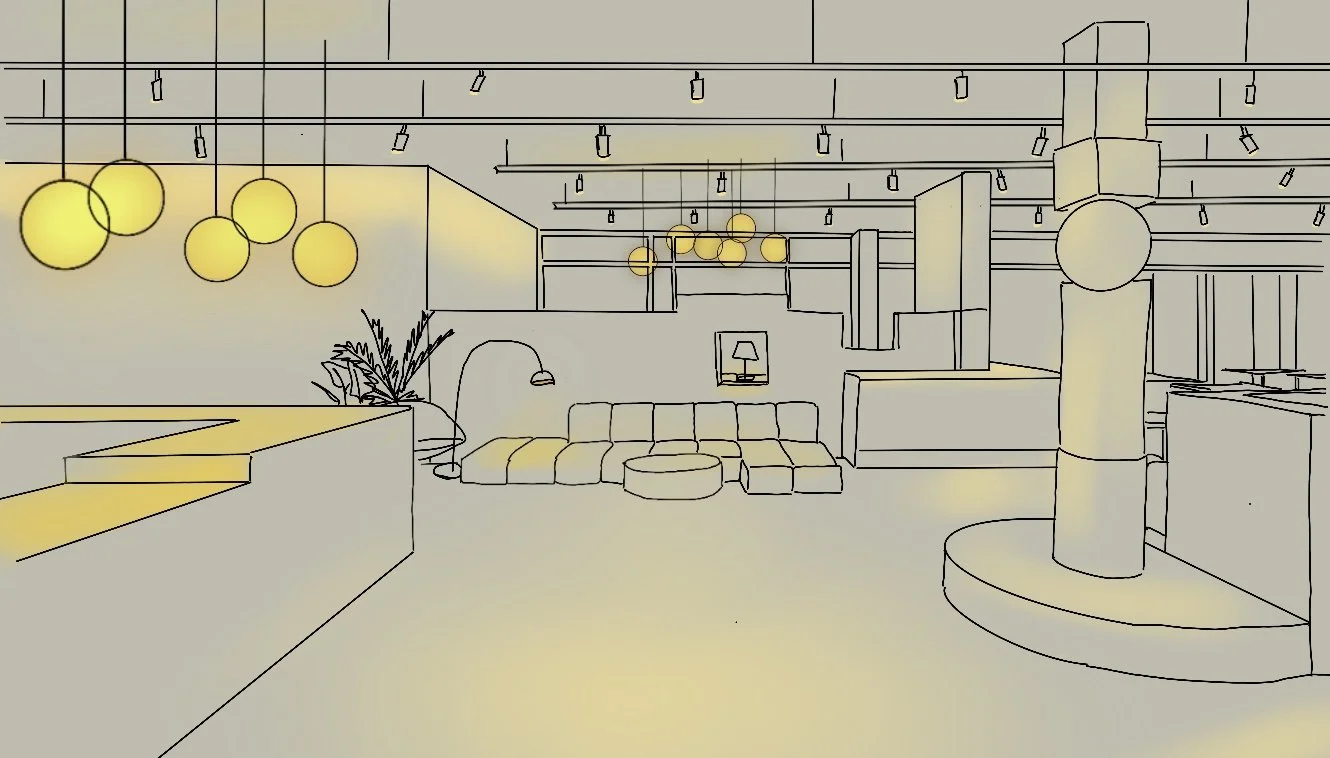
Layering Light Instead of Flooding Space
One of the most common mistakes in lounge lighting is over-illumination. Bright, uniform light removes depth and intimacy.
We work with distinct layers:
Ambient light to define the overall mood
Accent light to create focus and rhythm
Indirect light to soften transitions and edges
This hierarchy allows the space to breathe. Shadows are not flaws – they are part of the composition.
Color Temperature and Material Dialogue
Lounge lighting lives from its relationship with materials. Wood, textiles, stone, and metal all react differently to light.
Key considerations:
Warm color temperatures for calm and intimacy
Subtle differentiation between zones
Avoiding sterile or overly decorative effects
Light should enhance textures, not flatten them. It should reveal materiality quietly, almost incidentally.
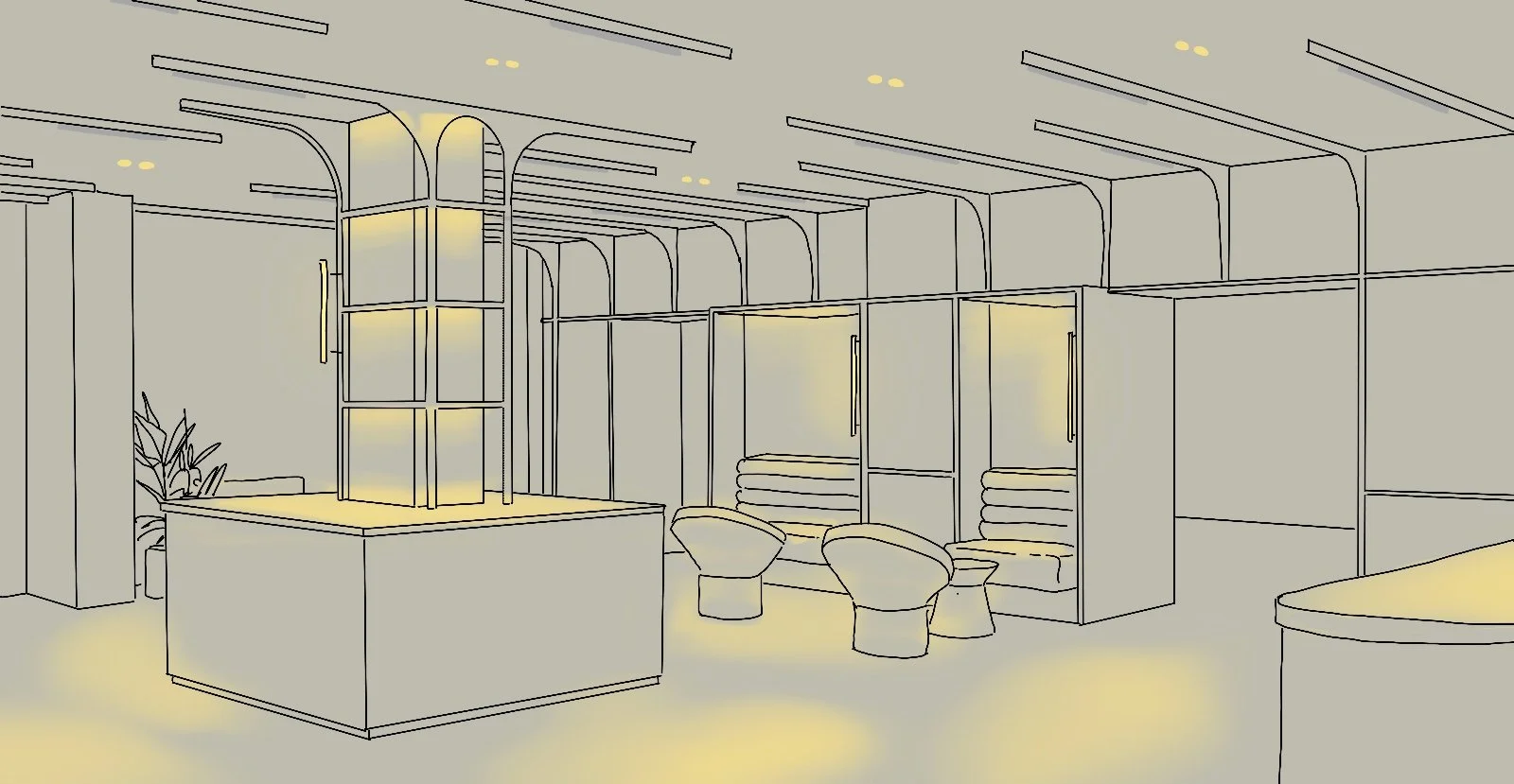
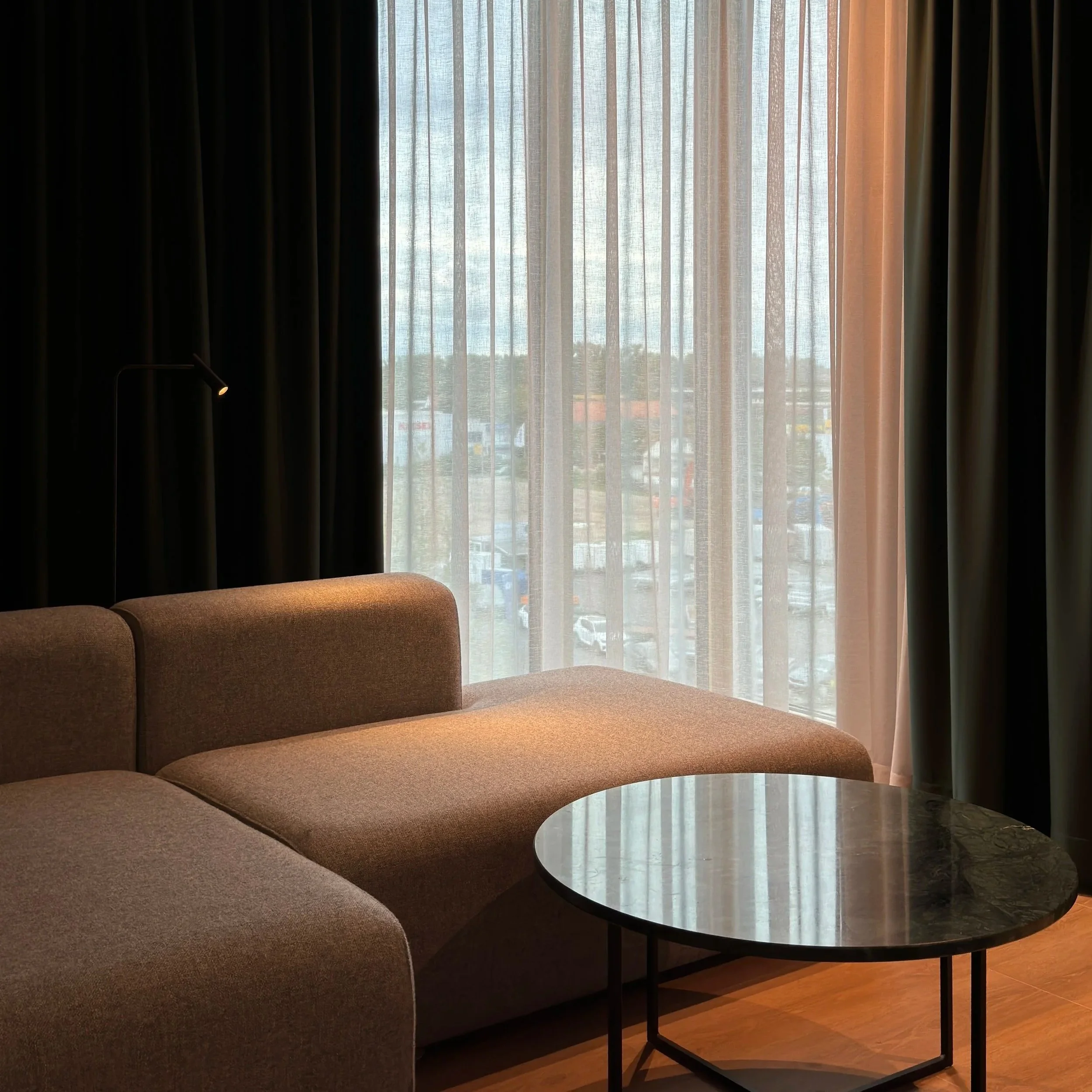
Integrating Daylight as Part of the Lighting Concept
A well-designed lounge lighting concept does not begin with artificial light alone. Daylight plays a crucial role in shaping atmosphere, orientation, and rhythm throughout the day. When daylight is ignored or poorly integrated, spaces often feel disconnected from time and use.
In our approach, daylight and artificial light are designed as one continuous system. As daylight shifts, artificial lighting responds subtly, maintaining balance and comfort without abrupt changes.
Key principles include:
Supporting natural daylight instead of competing with it
Using dimming and scene control to complement changing light levels
Creating smooth transitions from day to evening without breaking the atmosphere
By integrating daylight thoughtfully, lounges remain dynamic and alive. Light adapts quietly, guiding perception and setting the pace of the space. A lounge should never feel static.
Light gives it rhythm, timing, and continuity.
“In lounge spaces, light should feel like a background melody – present, calming, and never overpowering.”
Lounge Lighting as Spatial Identity
Ultimately, lounge lighting shapes how a space is perceived long before architecture or furniture are consciously read. It defines character and emotional tone. Whether a lounge feels exclusive or welcoming, calm or energetic, intimate or social is largely decided by light.
Well-designed lounge lighting creates recognition. It becomes part of the brand language and the spatial narrative. Guests may not remember individual luminaires, but they remember how the space made them feel. Comfortable. Calm. Grounded. Or subtly energized.
When lighting is thoughtfully integrated, it supports longer dwell times, relaxed interaction, and a sense of belonging. It frames moments without staging them. It allows people to settle in, slow down, and connect with the space on their own terms.
Lounge lighting is not about visual statements or decorative effects.
It is about atmosphere, memory, and identity.
A quiet presence that stays with you long after you leave the room.
Why Working with Studio De Schutter Makes the Difference
Many lighting problems never need to happen. They are not the result of missing technology or insufficient budgets, but of concepts that start too late and think too narrowly. Avoiding these issues requires a different way of approaching light.
At Studio De Schutter, lighting is never treated as a finishing touch. It is considered from the very beginning as part of the spatial concept itself. We start by reading the room – its architecture, its users, its daily patterns and its atmosphere. Only once these layers are understood does the lighting design emerge.

Our strength lies in connecting technical accuracy with sensory quality. We create lighting concepts that are robust, adaptable and future-proof, while remaining subtle and emotionally resonant. The result is light that feels natural and effortless. It supports orientation, comfort and identity without drawing attention to itself.
Good lighting does not compete with space.
It completes it.
Contact Us:
