

Whether a private living room or B2B spaces such as lounges, waiting areas, or apartments:
good lighting determines whether a space feels merely functional or truly offers quality of living. Especially in living rooms, multiple uses come together — relaxing, reading, working, and socializing. With simple, well-considered lighting ideas, the atmosphere can be noticeably improved, without the need for complex renovations.
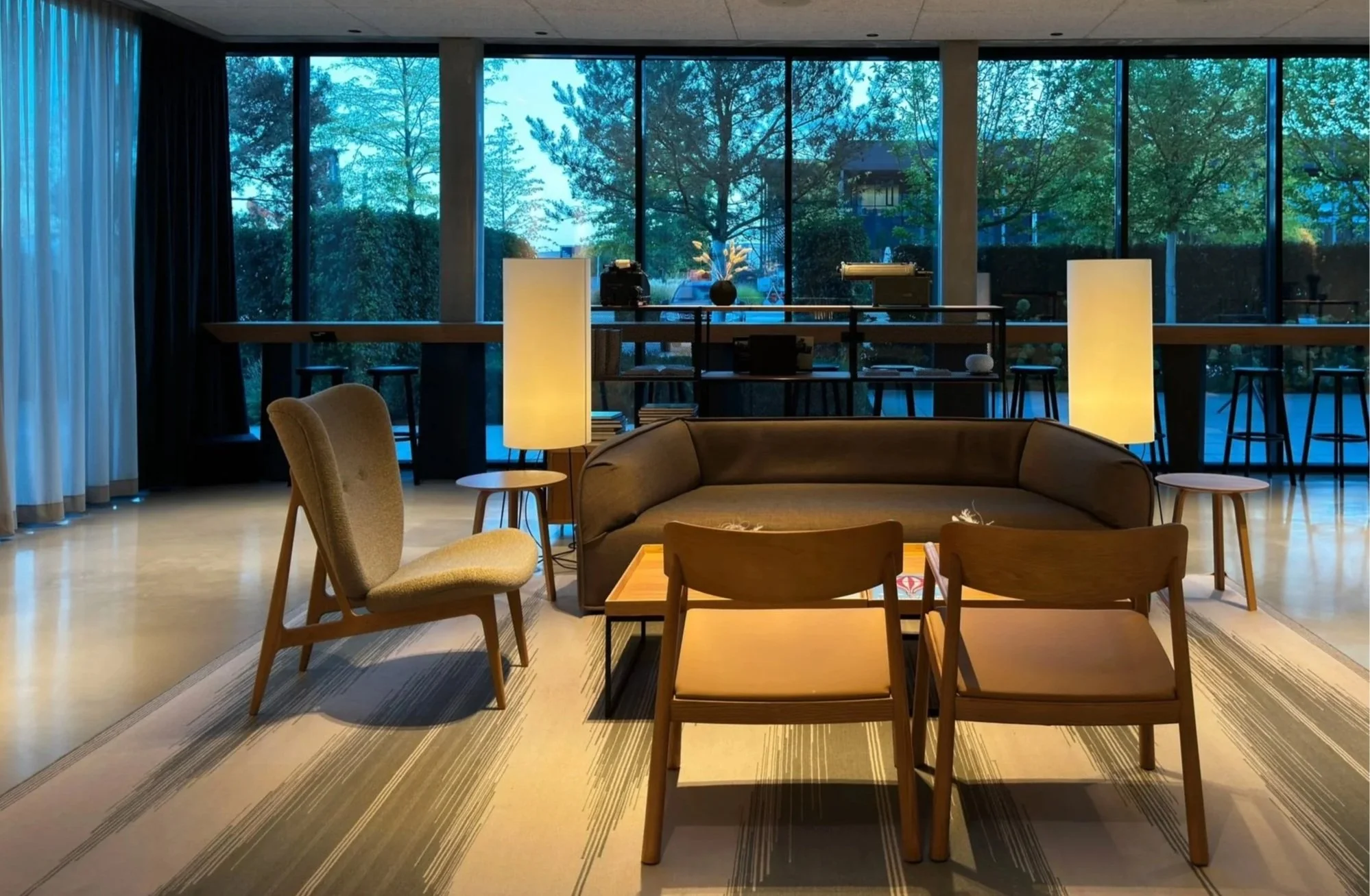
1. Don’t Rely on Just One Light Source
A single ceiling light is rarely enough. It may brighten the room, but it often makes it feel flat and uninviting. True living quality emerges only when light comes from different directions and serves different purposes. The foundation is a soft ambient light for orientation, complemented by floor or table lamps and smaller lighting accents.
Typical combinations include, for example:
a restrained ceiling light for overall orientation
a floor lamp next to the sofa for evening calm
a table or wall lamp to create depth and structure
This makes the space feel lively, balanced, and noticeably more comfortable.
Good lighting is not created by more brightness — but by greater variety.
2. Place Light Deliberately Instead of Distributing It Evenly
Light does not need to be equally bright everywhere. On the contrary: uniform illumination removes tension from a space. Different brightness levels create orientation and make the living room feel larger and more structured. Deliberately placed light guides the eye, emphasizes zones, and gives the room a natural hierarchy.
Proven positions for light sources include:
next to the sofa or reading chair
behind the TV to reduce visual strain
in corners to create depth
Darker areas are not a flaw — they are essential for calm and balance.
Not everything needs to be visible.
Some things are meant to remain in the background.
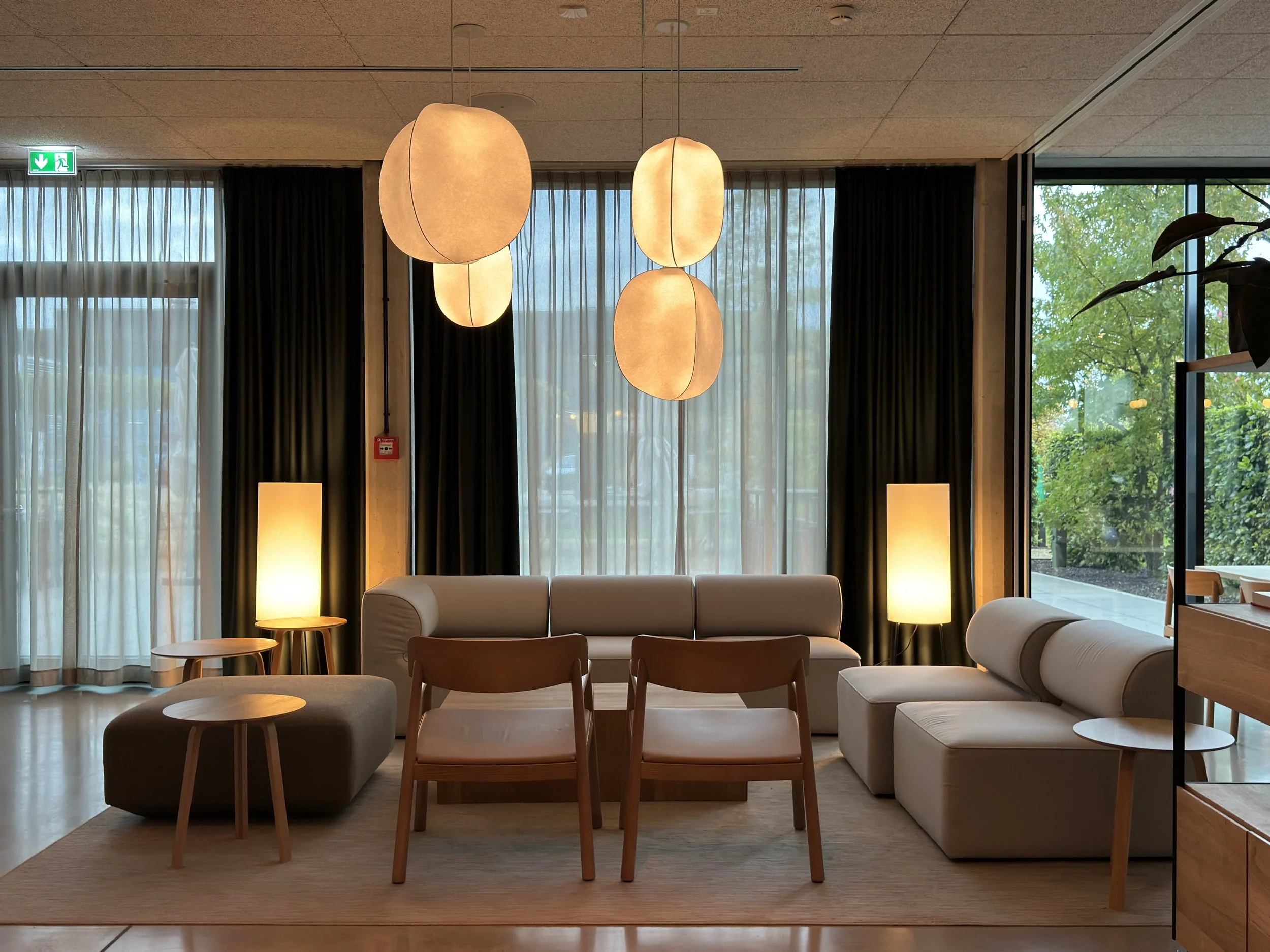

3. Indirect Lighting for Greater Atmosphere
Indirect light is one of the most powerful tools in professional lighting design. It does not work through brightness, but through surface. Light is not seen — it is felt. This creates spaces that feel calmer, softer, and significantly more pleasant.
Especially in living areas and spaces of retreat, indirect lighting reveals its full strength. It avoids glare, creates no harsh shadows, and supports an even, balanced mood. In the evening in particular, this type of light creates an atmosphere that allows relaxation without darkening the space.
Indirect lighting works because it brightens surfaces rather than points. Walls, ceilings, and built-in elements reflect the light and distribute it gently throughout the room. This creates orientation without individual light sources drawing attention to themselves.
Typical applications for indirect lighting include:
behind the sofa or sideboard
above or behind shelving
along curtains or wall surfaces
within ceiling recesses or coves
beneath furniture or built-in elements
Indirect lighting is not effect lighting. It does not seek attention and does not aim to impress. It forms the foundation and supports the space without stepping into the foreground.
When used correctly, it reduces visual harshness, connects individual zones, and makes the room feel naturally more relaxed.
4. Choosing the Right Light Color
Light color influences the perception of a space far more than many realize. Warm white light creates a sense of comfort, calm, and a residential feel. It is ideal for living areas and relaxed evenings. More neutral or slightly cooler light colors can be useful selectively — for example when reading or working.
A good solution is to combine different light colors:
warm light for atmosphere
more neutral light for functional areas
dimmable luminaires for flexible transitions
Light color determines whether a space feels inviting — or distant.
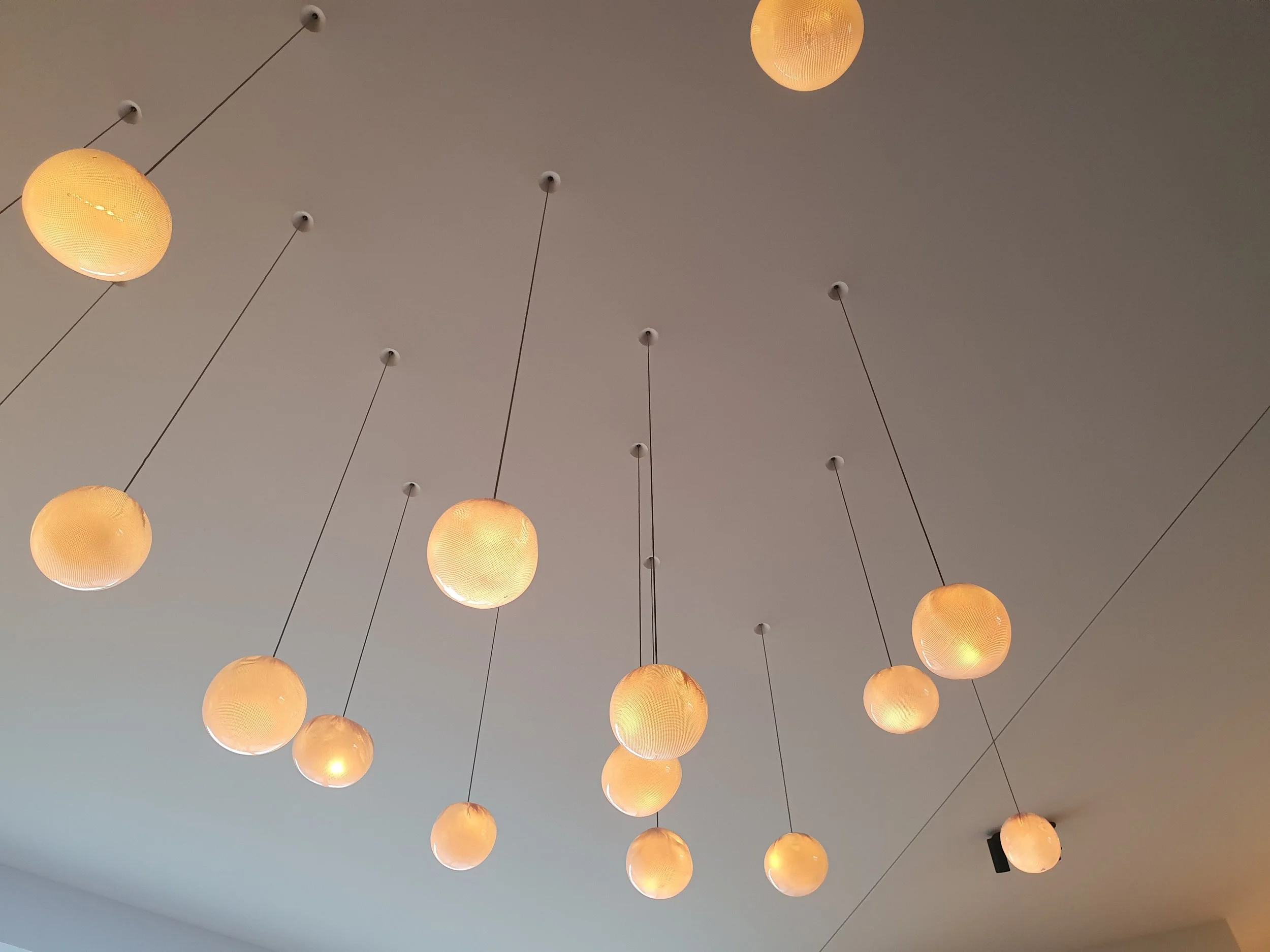
5. Thinking of Luminaires as Part of the Interior
Luminaires are more than just light sources. They are part of the interior and help shape the character of a space. A well-placed fixture can define an area or set an accent — without the need for additional furniture. What matters is that form, material, and scale align with the overall design.
Typical examples include:
a floor lamp as a calm anchor in the seating area
a pendant light above the coffee table to create structure
a small design luminaire as a deliberate statement
Good luminaires have an impact even when switched off.
6. Making Light Flexibly Controllable
Living spaces change throughout the day — and lighting should be able to change with them. Dimmers are a simple yet highly effective starting point. Even better are multiple circuits or preset lighting scenes. This allows the living room to adapt quickly without adding new fixtures.
Practical solutions include:
separate control of ambient and accent lighting
dimmers for floor and table lamps
simple scenes such as “evening,” “reading,” or “guests”
Flexible lighting means the space evolves with everyday life.

Why Lighting Design with Studio De Schutter
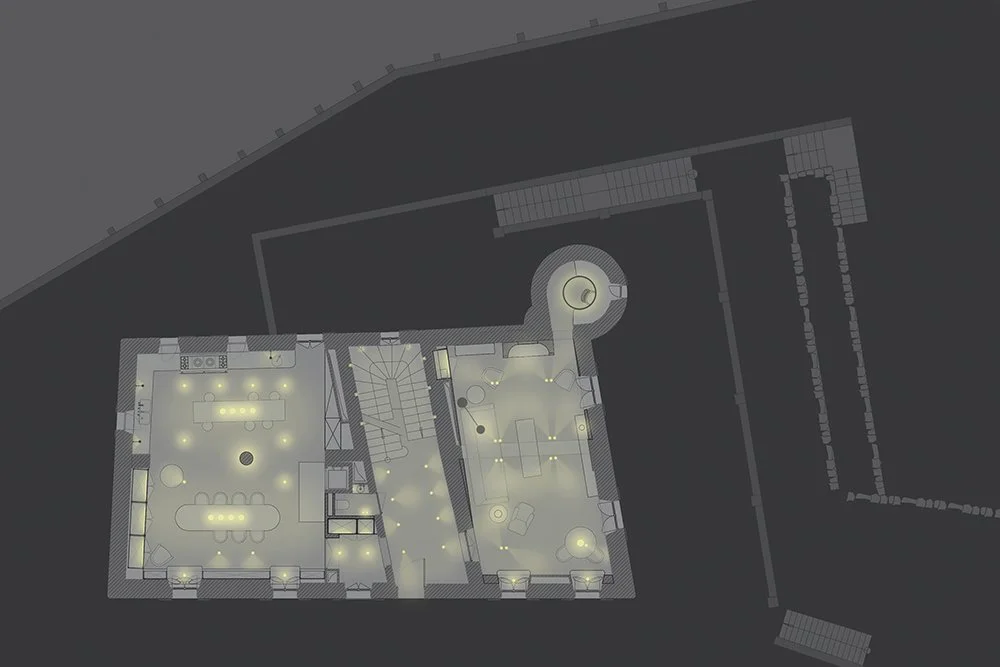
Studio De Schutter does not see lighting design as a decorative addition, but as an integral part of space and architecture. Especially in sensitive areas such as living spaces or places of retreat, quality is not created through effects, but through precision, restraint, and a deep understanding of use and perception.

We analyze spaces, routines, and materials before talking about luminaires. Technology is never considered in isolation, but always in relation to atmosphere, function, and long-term use.
Contact Us:
