

Lighting Design Costs: Why Investing in Light Pays Off
Light costs money.
Bad light does too.
The difference is not in the price.
It is in the outcome.
Anyone searching for “lighting design costs” is usually looking for a number. A rough estimate. Maybe a comparison. But this is exactly where it becomes complex, because lighting design is not a product with a fixed price. It is a process. And this process ultimately determines whether a space works or not.
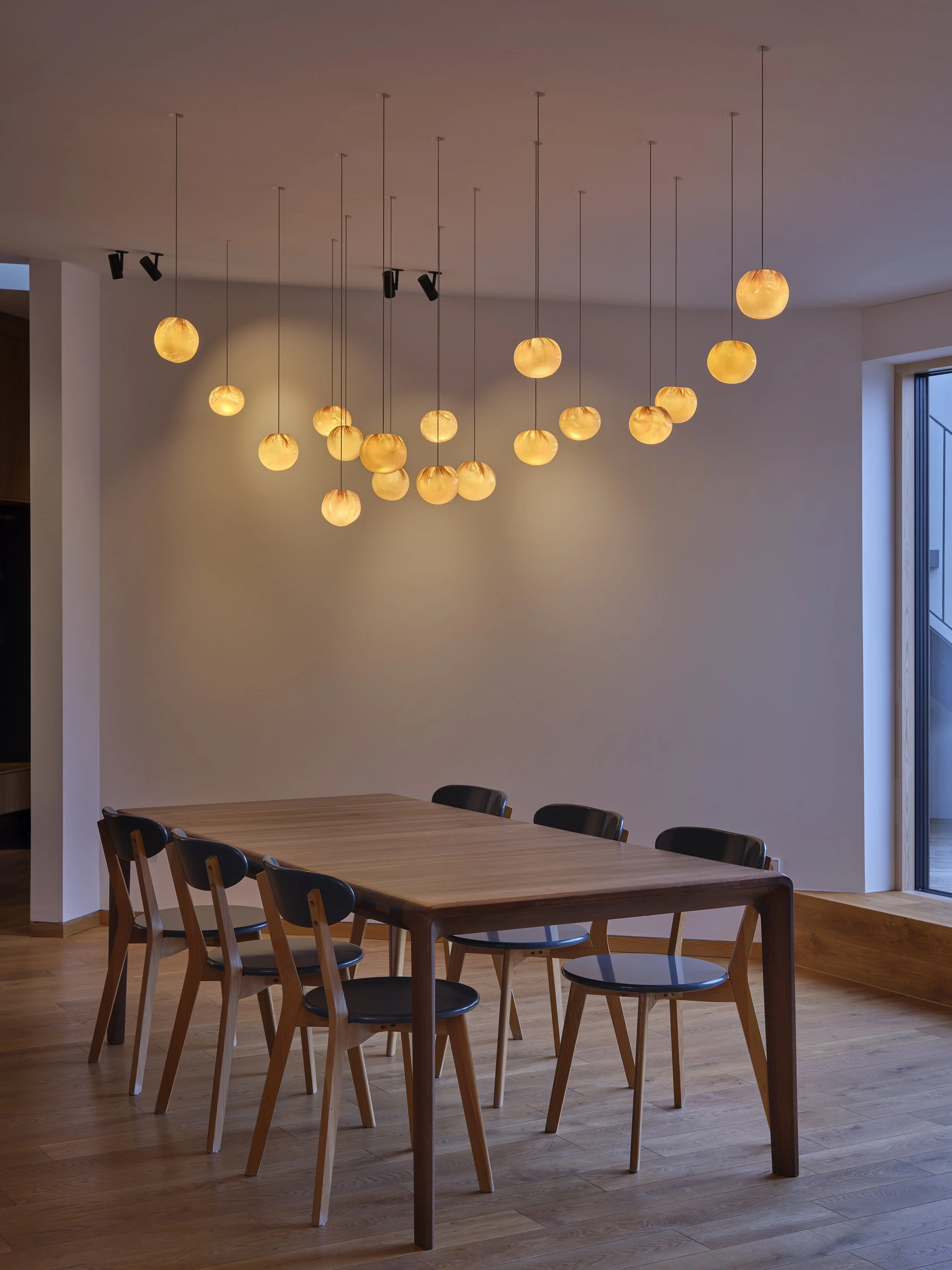
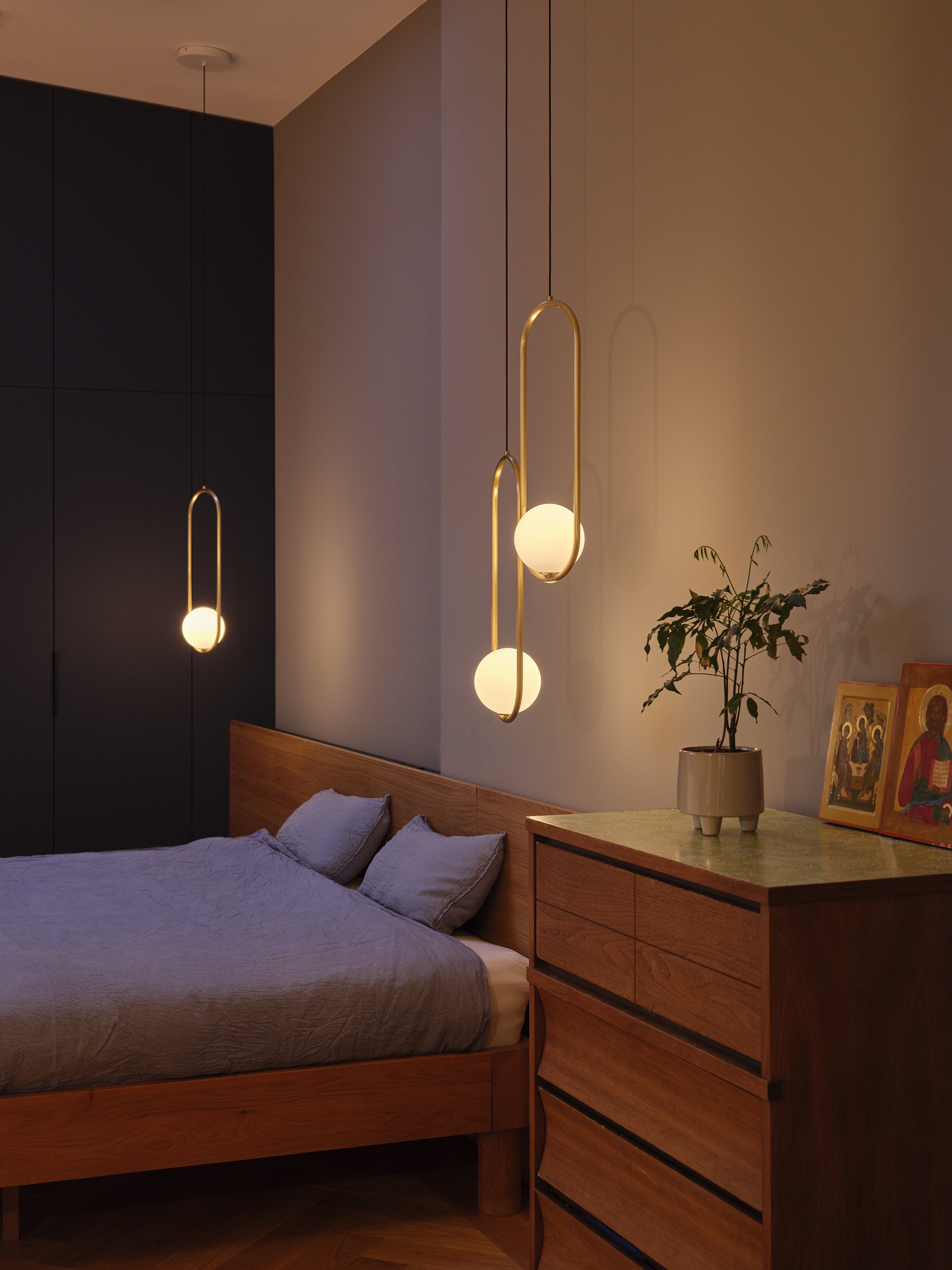
What Does Lighting Design Really Cost
The honest answer: it depends.
Not as an excuse.
But because the price is directly linked to the complexity of the project.
A small residential project has very different requirements compared to a hotel, an office, or a public space. Different uses, different technical demands, different design ambitions.
Typical factors that influence cost include:
Size and use of the project
Planning phase and timing of involvement
Level of detail in the lighting design
Number and complexity of spaces
Coordination with architecture and technical systems
What is often underestimated:
It is not the fixtures that define the cost of planning.
It is the quality of the decisions behind them.
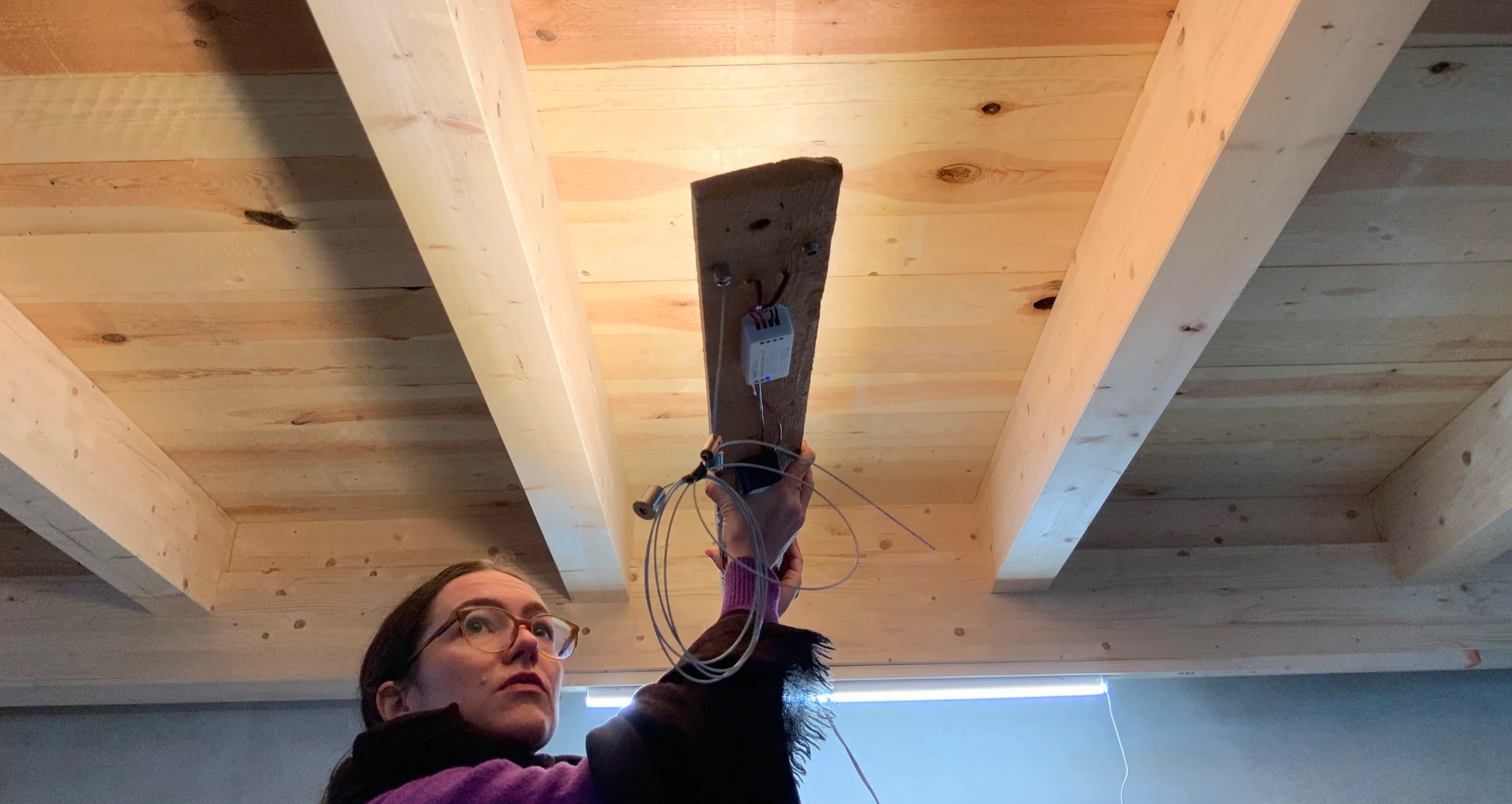
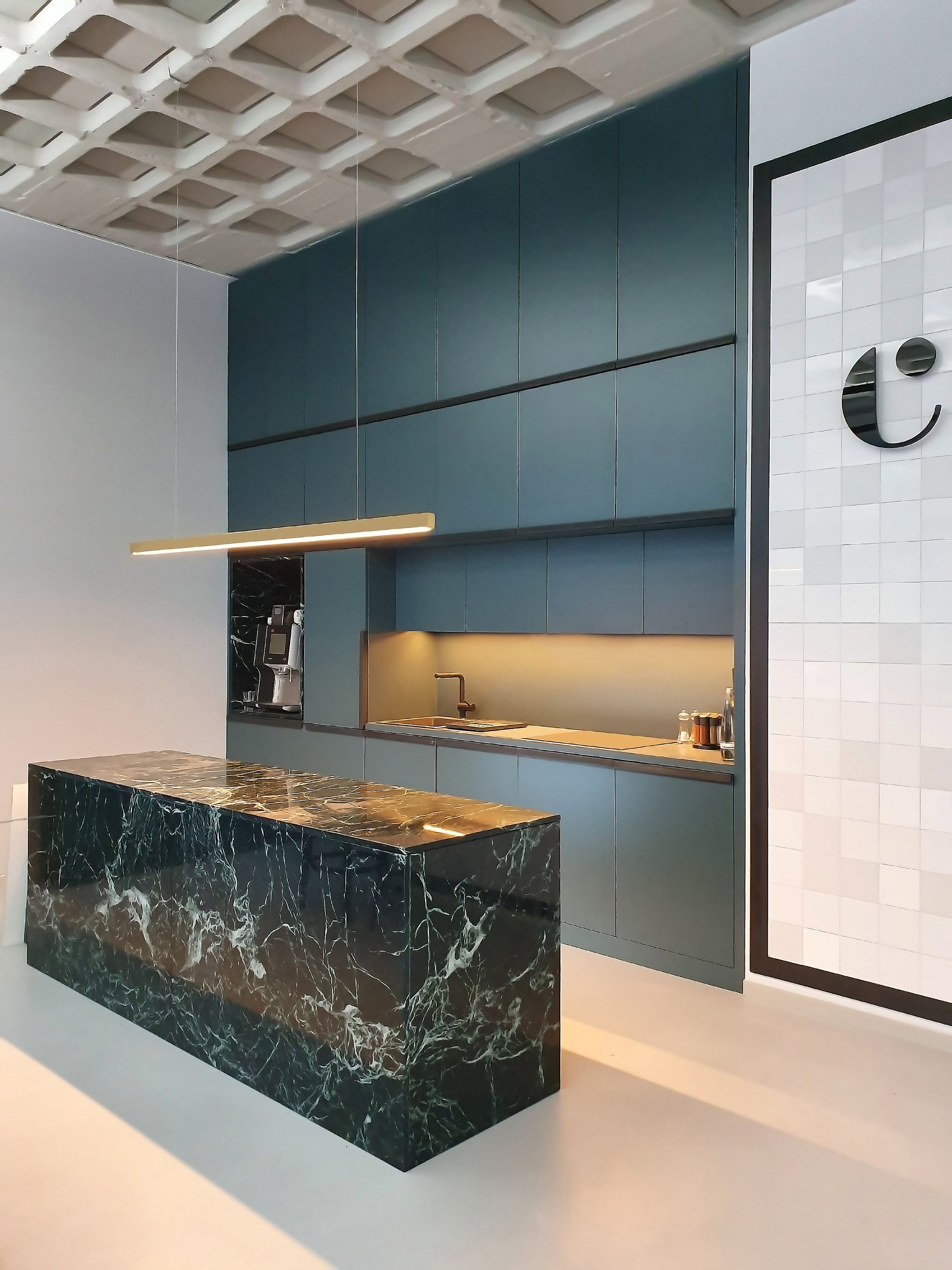
How Lighting Design Costs Are Structured
Lighting design is not a single line item. It is a sequence of phases, each with a specific role in shaping the final result.
Analysis and Concept
This is where the foundation is defined. How should light function within the space? Which zones are created, which hierarchies are established, and what kind of impact should be supported?
It is the phase where the most important decisions are made.
And at the same time, the one most often underestimated.
Design and Development
Based on the concept, concrete solutions are developed:
Selection of appropriate fixtures
Definition of positions and light distributions
Coordination with materials and surfaces
Integration into the architecture
This is where ideas turn into reality.
And where light becomes a functioning system.
Technical Planning
At this stage, the focus shifts to feasibility:
Detailed plans for electrical systems and installation
Interfaces with other trades
Control strategies
Documentation for execution
Mistakes in this phase often lead to issues on site.
Or to compromises that no longer reflect the original concept.
Implementation Support
Lighting design remains relevant throughout execution:
Coordination with contractors
Adjustments to unforeseen changes
On-site quality control
Because even the best concept only works if it is implemented correctly.
Common Misconceptions About Lighting Design Costs
Many decisions around lighting design are based on false assumptions.
A few typical ones:
“We skip the design phase and invest directly in fixtures”
“Standard solutions are good enough”
“Lighting is just technical, not a design element”
What follows is often predictable:
too many fixtures
incorrect positioning
unnecessary energy consumption
spaces that do not function as intended
And in the end: higher overall costs.
The Difference Between Price and Value
Lighting design is an investment in quality.
Not only visual.
But functional as well.

A well-designed concept ensures that:
spaces are intuitive to use
materials are clearly perceived
energy is used efficiently
systems perform reliably over time
Value is not created by more light.
But by better light.
Contact Us:
