

Avoiding Light Pollution: Strategies for Sustainable Lighting Design
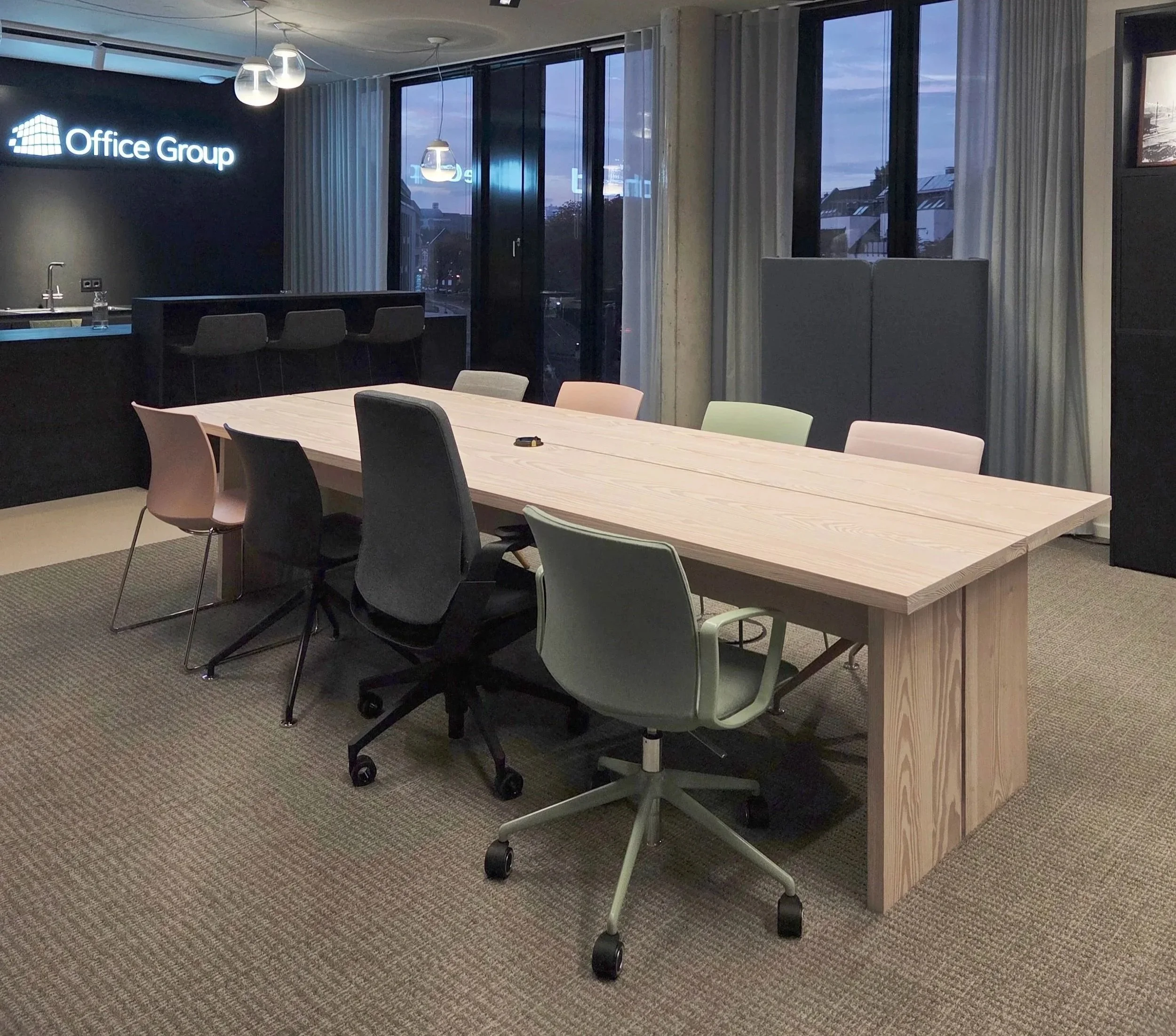
Pictures: The Loop Office designed by Studio de Schutter
Light is a tool.
But one that is often used too broadly.
In many projects, light is still understood purely as brightness. As something that simply needs to “be there” for a space to function. But this mindset is exactly what causes light to lose its true strength. It is applied uniformly, added rather than designed, and in doing so, it loses precision.
Anyone searching for “avoiding light pollution” quickly realizes that it is not just about less light. It is about better light. About making conscious decisions. Where is light truly needed? Which areas can remain more subdued? And how can light be used in a way that supports the space instead of overwhelming it?
This is where the difference between functional lighting and real lighting design begins. Functional lighting meets requirements. It makes things visible.
Lighting design goes further. It structures spaces, creates orientation, and defines how architecture is read.
Because light influences how we move through a space, how safe we feel, and how clearly materials, proportions, and transitions are perceived.
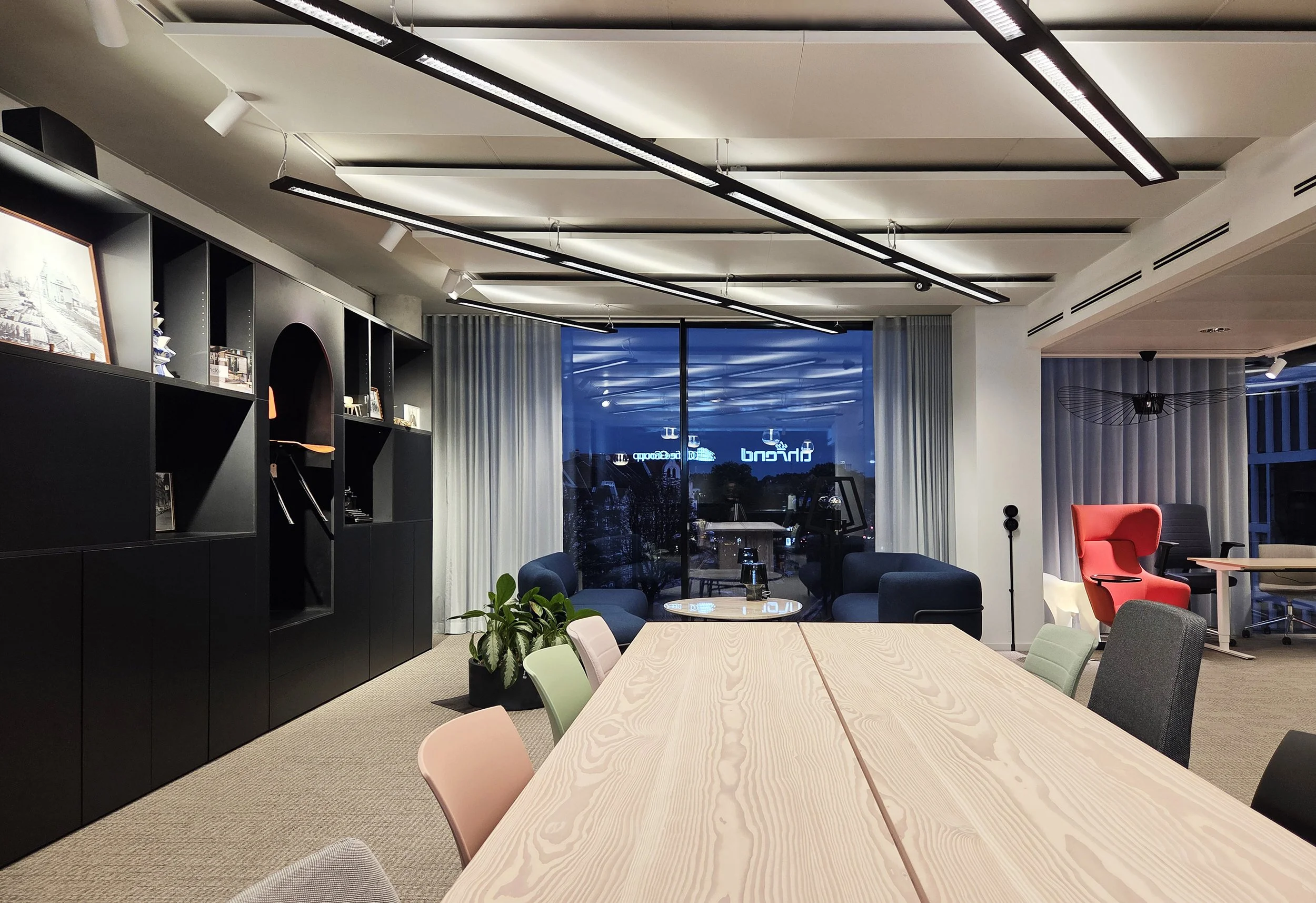
What Defines Light Pollution at Its Core
Light pollution does not occur because light exists, but because it is used without precision. In many projects, there is no clear definition of where light is actually needed and where it is not. Instead, spaces become overlit, light spreads diffusely, and unnecessary brightness is introduced that neither improves orientation nor adds any design value.
The consequences are both measurable and visible:
stray light emitted into the night sky
glare that reduces visual clarity
loss of contrast that should support orientation
unnecessary energy consumption without functional benefit
The issue is rarely the technology.
It is the concept.
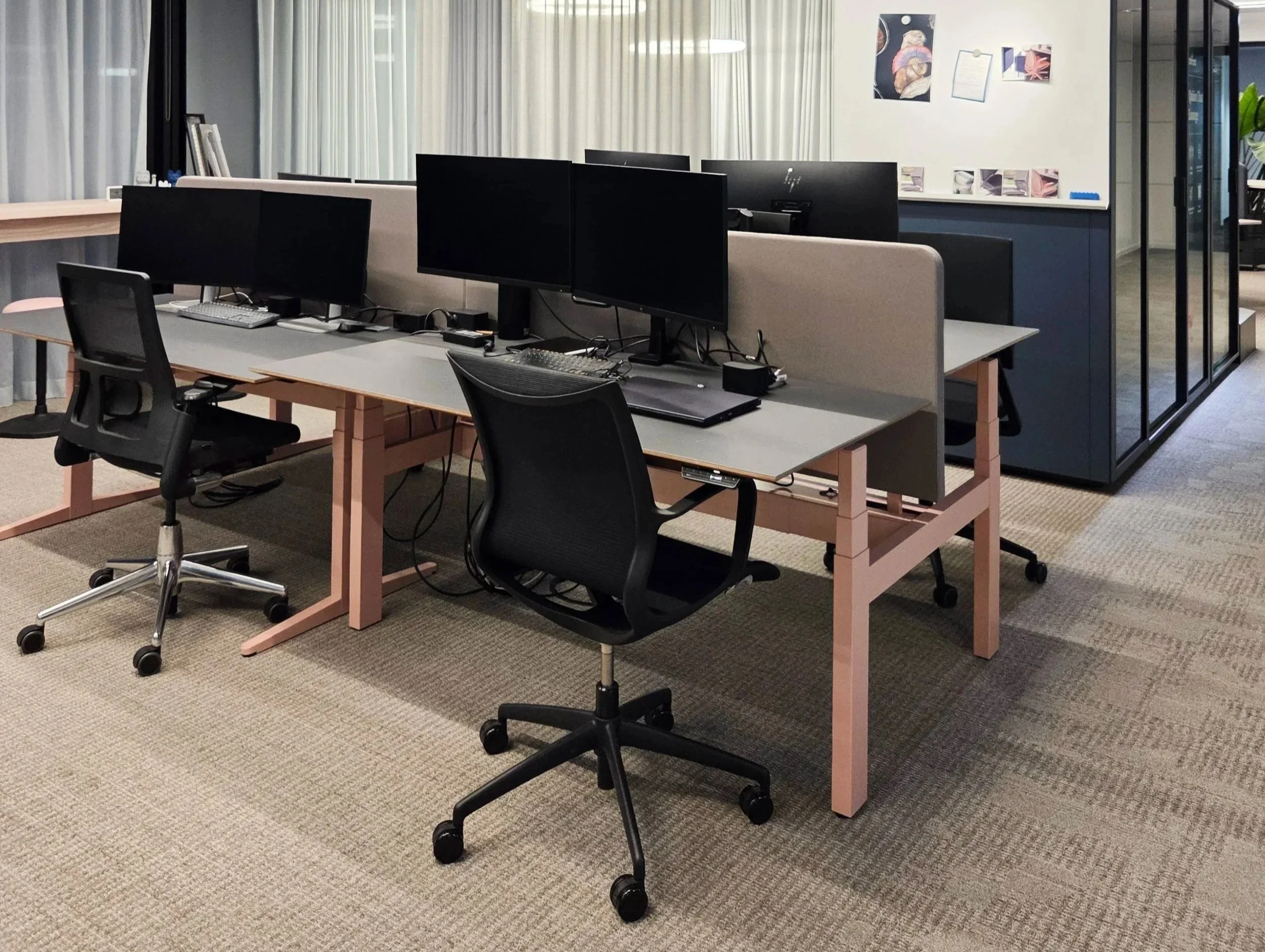
Why More Light Is Rarely the Better Solution
In many projects, light is still treated as something additive. If an area does not feel clear enough, the illuminance is increased. If a façade does not appear present enough, it is evenly floodlit. This approach may create immediate visibility, but over time it leads to a loss of clarity in design.
What is often overlooked is that brightness alone does not create quality. It tends to obscure it. Instead of guiding perception, everything becomes equally visible. The space loses its structure because light no longer differentiates, it levels.
Excessive light reduces contrast. It removes depth, flattens material expression, and makes orientation more difficult because important zones are no longer clearly defined. Transitions blur, sightlines lose precision, and even high-quality materials begin to feel generic.
A well-designed lighting concept works differently. It establishes hierarchies. It uses contrast intentionally. And it accepts that darkness is not a deficiency, but an essential part of spatial quality.
Strategies to Avoid Light Pollution Effectively
Light pollution is not caused by light itself, but by a lack of precision. Good lighting design therefore does not start with how bright a space can be, but where light is actually needed, what role it should fulfill, and which areas can intentionally remain more restrained.
Use light only where it is functionally required
The first step is reducing lighting to what is essential. Instead of illuminating entire surfaces, the focus is placed on identifying where light truly adds value. Pathways, entrances, work zones, and safety-relevant areas receive targeted lighting, while other zones are deliberately kept subdued.
This does not create a darker space, but a clearer one. Users intuitively understand how to move through the space because light provides direction rather than uniform brightness.
Define light distribution with accuracy
A large portion of light pollution is caused by uncontrolled light distribution. Fixtures that emit light in all directions create stray light that neither supports function nor enhances design.
- Use optics with clearly defined beam angles
- Shield light sources to reduce glare
- Avoid any upward light emission
Choose color temperature consciously
The spectral composition of light directly influences both perception and environmental impact. Cool, blue-rich light increases the visibility of scattered light and contributes more strongly to the brightening of the night sky.
By using warmer color temperatures and controlled spectra, this effect can be significantly reduced without compromising functionality, while also creating a calmer and more controlled spatial impression.
Dynamic instead of static lighting
Lighting does not need to remain constant at all times. In reality, there are very few situations where a space requires the same level of brightness continuously.
- Reduce brightness during low-activity periods
- Activate lighting through movement or presence
- Adapt to existing ambient light conditions
This creates a system that responds to real usage while avoiding unnecessary light emission and energy consumption.
Integrate lighting into architecture from the start
Light pollution is often the result of late decisions. When lighting is only considered at the end of a project, it is usually added on top rather than integrated.
When included early in the design process, lighting becomes part of the architecture itself. It follows geometry, supports spatial logic, and enhances the overall concept instead of competing with it.
Sustainability as an Integral Part
Avoiding light pollution also means using resources responsibly. A precise lighting concept reduces energy consumption, extends the lifespan of components, and minimizes maintenance requirements.
It is not only about technical efficiency, but about long-term quality. Systems that remain adaptable over time prevent unnecessary redesign and ensure that lighting continues to perform as needs evolve.
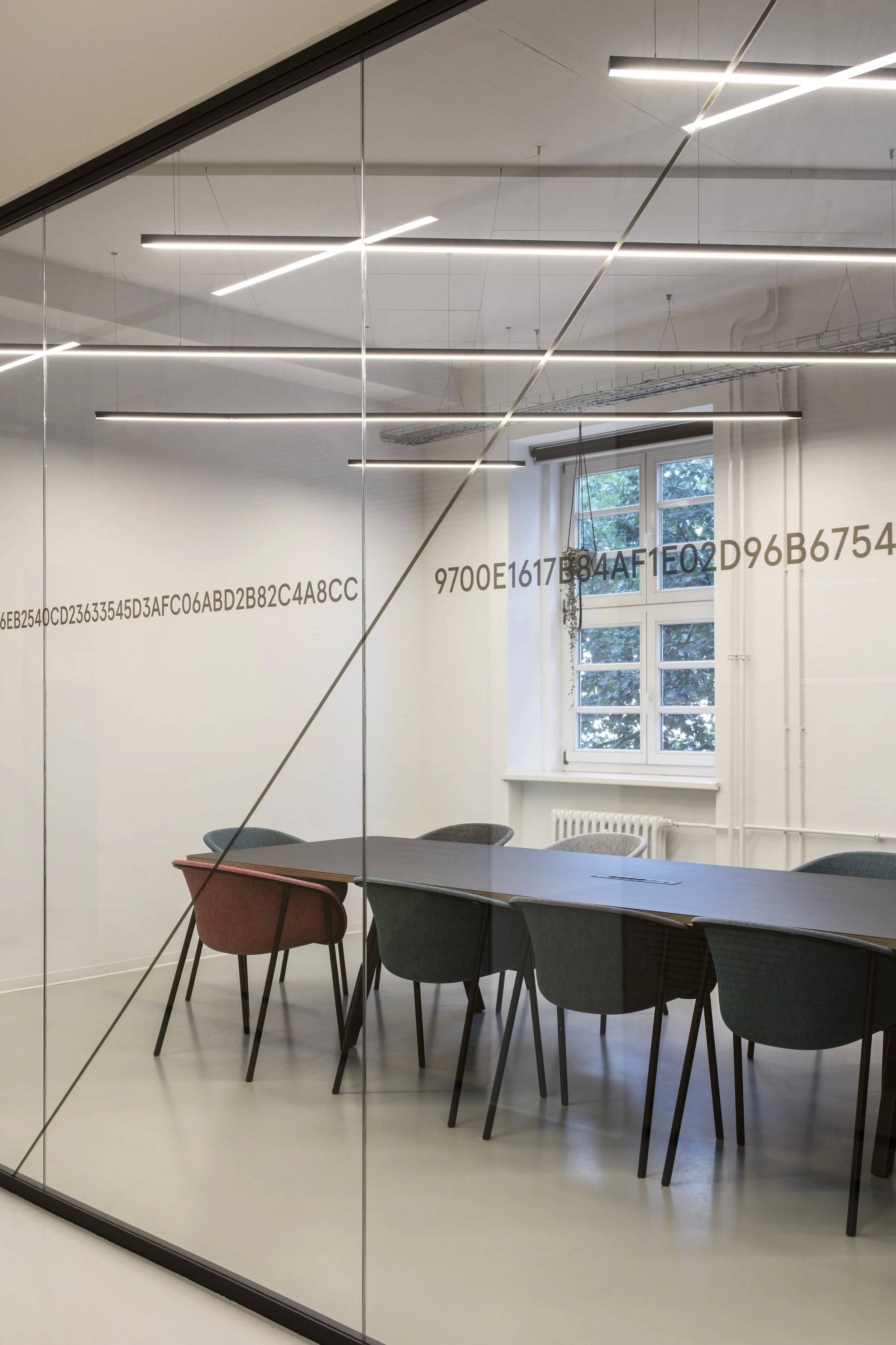
Common Mistakes and How to Avoid Them
In practice, the same patterns appear again and again. Decisions that seem reasonable at first, because they deliver quick visible results, but ultimately create exactly the problems they were meant to solve.
Typical examples include:
façades being fully illuminated without differentiation, causing architectural details to lose impact because everything is equally visible
outdoor spaces remaining at maximum brightness regardless of actual usage, even during periods of low activity
fixtures being selected based on appearance alone, without sufficient consideration of light distribution, glare, or direction
lighting being treated as a decorative addition rather than an integral part of the design from the beginning
What all of these points have in common is a missing focus on function and effect. Light is used to make things visible, but not to control how they are perceived.
There is also another important factor. Many of these decisions are made under time pressure or very late in the project. When lighting is only considered at the end, the only option left is often to add more fixtures instead of developing a clear and coherent concept.
Conclusion
Avoiding light pollution is not a technical challenge, but a design decision. It is about using light with intention instead of distributing it indiscriminately.
A well-designed lighting concept does not reduce impact, it enhances it. It creates clarity, improves orientation, and integrates seamlessly into the architecture without becoming dominant.

A well-designed lighting concept does not reduce impact, it enhances it. It creates clarity, improves orientation, and integrates seamlessly into the architecture without becoming dominant.
Less light is not the goal.
Better light is.
Contact Us:
