
Light is the first thing we perceive. And often the last thing considered in the construction process.
A space can be perfectly proportioned and finished with the highest-quality materials, yet still feel empty. Only light gives it meaning. It structures, guides, calms, or activates. It directs perception, creates a sense of comfort, and shapes the space.
This is exactly where the work of a lighting designer begins.
A lighting designer does not choose lamps.
We design perception.

A. Strategic & Conceptual Services
The phase where light gains direction
Before discussing luminaires, the focus is on the conceptual approach. Light is understood as a strategic tool — not a late add-on.
Strategic Lighting Consulting
(project goals, framework conditions, potentials – early phase / LPH 0–1)
In the early project phase, we define the role of light within the overall concept. These decisions shape atmosphere, budget, and operation in the long term.
Key elements of this phase:
Definition of project goals from the perspective of use, impact, and identity
Analysis of spatial, technical, and economic framework conditions
Evaluation of potentials and limitations
Integration of sustainability and long-term use
Anchoring light as an integral part of the planning process
Light that is considered early creates freedom in execution.
Atmospheric Lighting Concept & Design Guiding Principle
(narrative, spatial impact, lighting principles – LPH 2)
From the strategy, a clear lighting narrative emerges. It describes not only where light is used, but how it is meant to be experienced.
Components of the lighting concept:
Development of a design guiding principle
Definition of lighting principles and spatial hierarchies
Coordination of light, material, surface, and architecture
Definition of contrasts, transitions, and zones
Translation of use into atmosphere
The result is a coherent lighting composition that connects spaces and creates identity.
B. Planning & Integration
Where emotion becomes technically robust
A lighting concept only unfolds its full impact when it is implemented with precision. In this phase, ideas are translated into reality.
Technical Lighting Design & Integration
(execution-ready planning, coordination, support in LPH 3–8)
Here, the lighting concept is developed into a detailed, execution-ready plan.
Services at a glance:
Selection and integration of suitable luminaires
Detailed planning up to execution readiness
Coordination with architecture, interior design, and specialist planners
Consideration of standards, maintenance, and service life
Support and guidance throughout performance phases 3–8
Good technical planning ensures that light feels natural — and endures over time.
Scenography, Control & User Interface Concepts
(lighting moods, usage scenarios, control, programming, focusing)
Spaces change throughout the day. Light responds to that.
Scope of this service:
Development of lighting moods and usage scenarios
Definition of daytime, evening, and special lighting situations
Consulting on suitable control systems
Design of intuitive control logics
Programming of lighting scenes
On-site focusing and fine-tuning
Here, light is not simply switched on — it is staged. Technology recedes into the background, while the effect remains tangible.
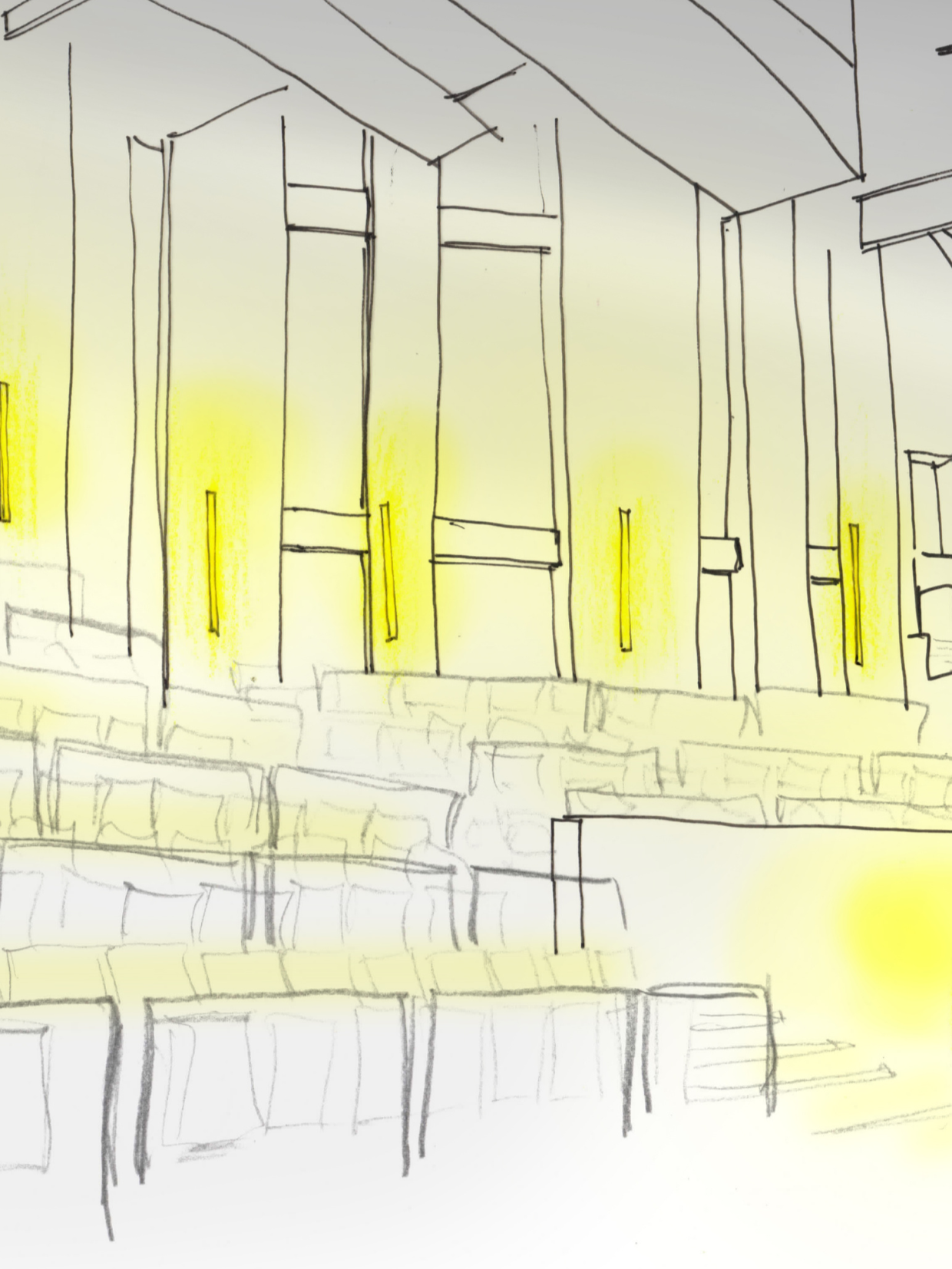
C. Advanced Services
When lighting design goes into depth
Some projects require additional analyses, tailored solutions, or formal validation.
Daylight Planning, Solar Exposure Studies & Simulation
(analysis, visualization, optimization)
Natural light forms the foundation of every lighting concept.
These services include:
Analysis of daylight progression within the space
Solar exposure studies to assess light incidence and shading
Simulations to visualize lighting effects
Optimization of spatial quality and glare control
Coordination of daylight and artificial lighting
Daylight and artificial light are conceived as one interconnected system.
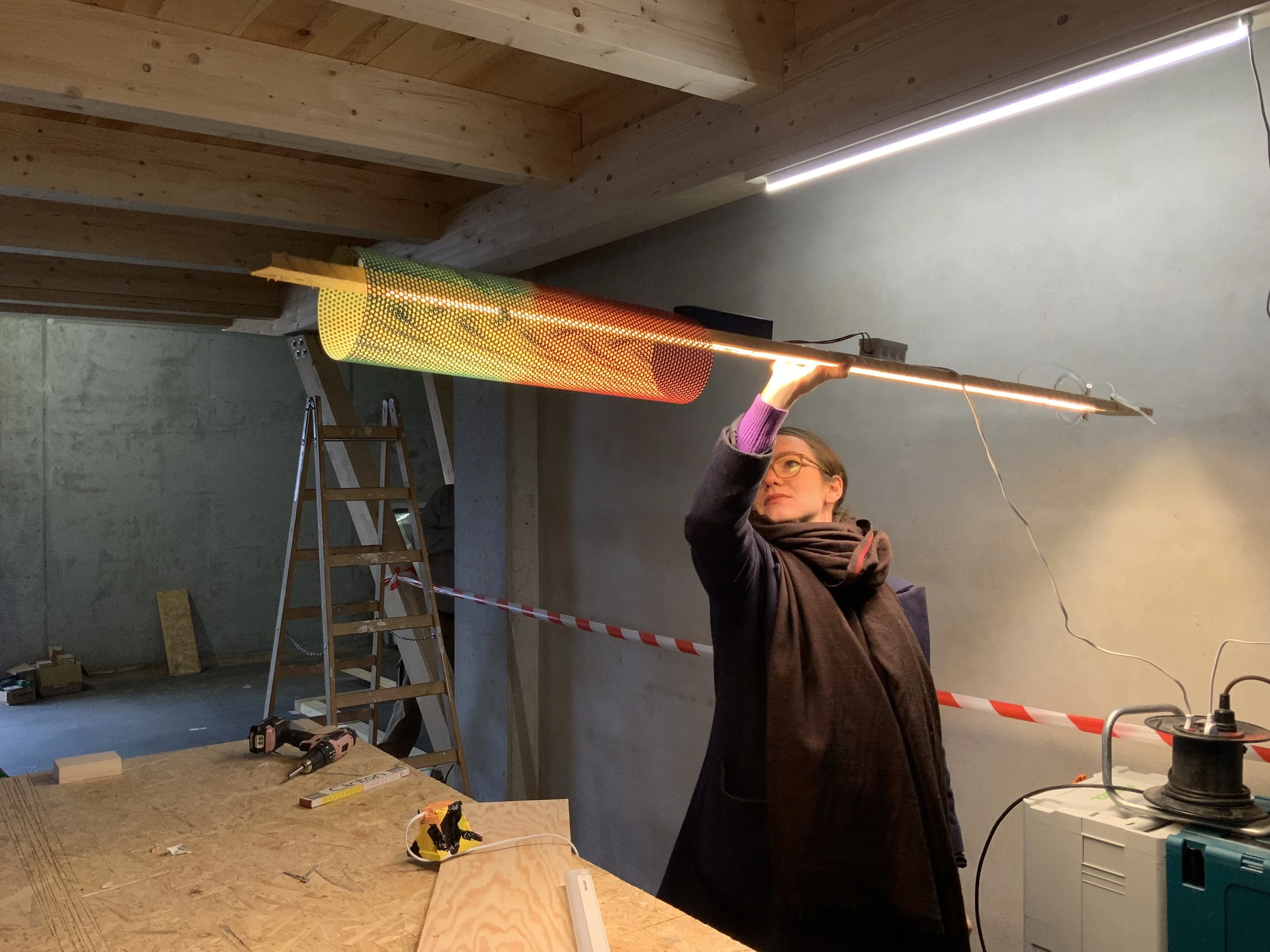
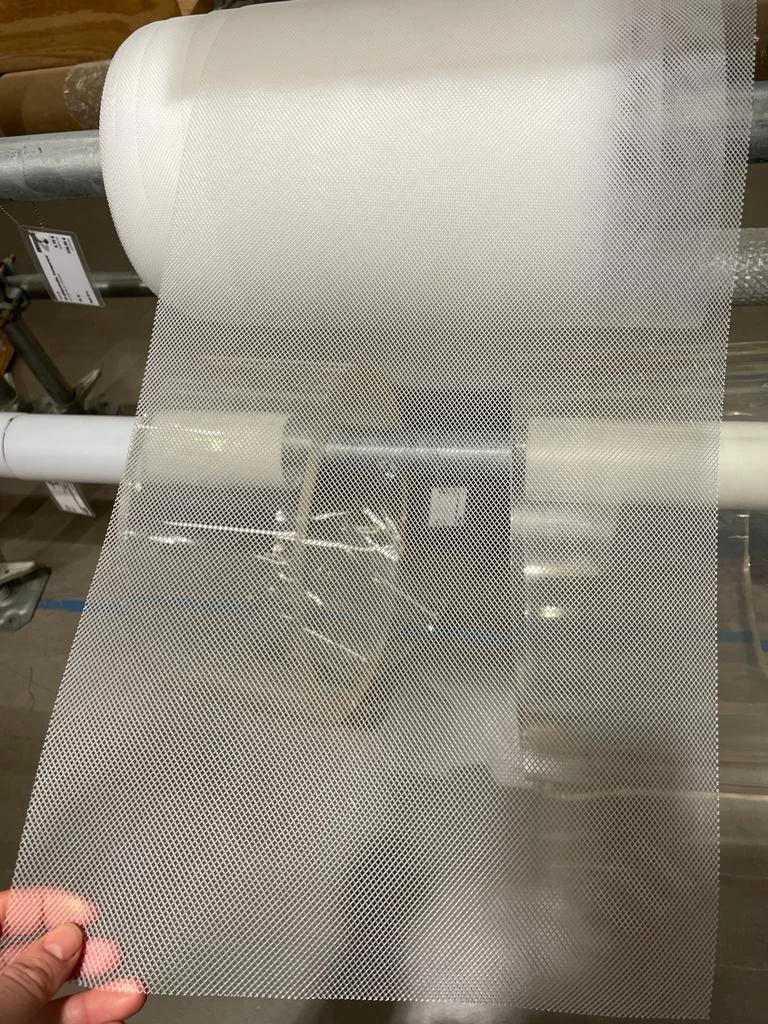
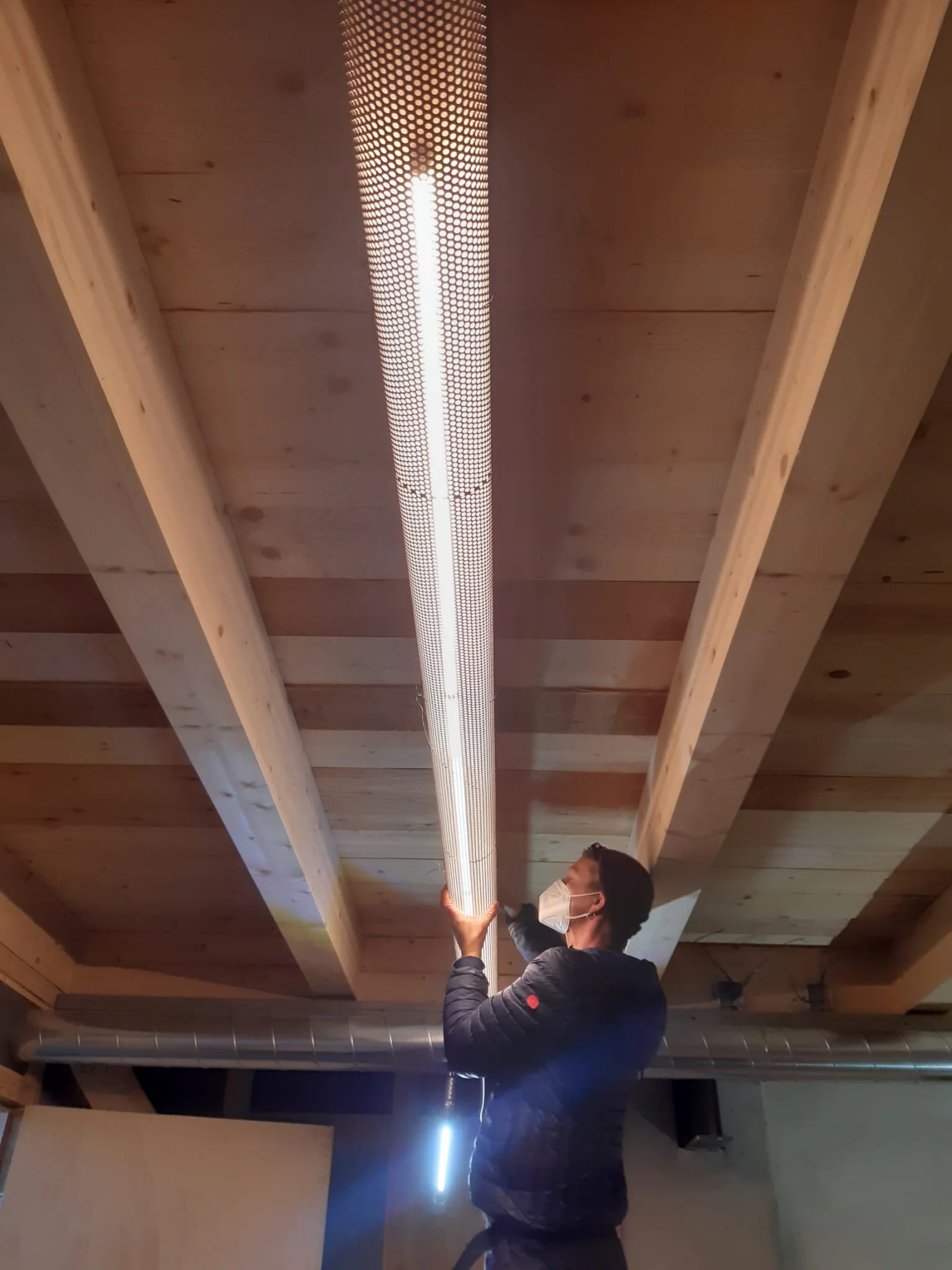
Custom Luminaire Development
(concept, guidance through development and implementation)
Standard solutions are not always sufficient. Custom luminaires emerge where architecture demands individuality.
Typical scope:
Development of tailor-made luminaire concepts
Technical coordination with manufacturers
Support throughout prototyping and series production
Integration into the overall lighting concept
Form, function, and effect are precisely aligned with the space.
Expert Reports & Professional Statements
(approvals, documentation, external requirements)
Lighting design also requires legal and technical certainty.
This service includes:
Professional statements for approval processes
Expert reports documenting lighting solutions
Support with external requirements and inspections
Clearly structured, transparent documentation

Lighting design is not an add-on.
It is structure, atmosphere, and responsibility at the same time.
A lighting designer connects emotional impact with technical precision. At Studio De Schutter, we plan light as an integral part of architecture — sustainable, legible, and enduring in its effect.

Because light should not only illuminate.
But be allowed to shape spaces.
Contact Us:
