

Lighting Problems almost never start with bad technology or poor products. They start much earlier, with the way light is understood, or not understood. Too often lighting is forgotten, not thought of until the end or lighting gets reduced to numbers, in lighting calculations no one really understands. Within budget? Efficient enough? Installed on time? These are often the only criteria before the lighting gets installed. And yet, many spaces feel uncomfortable or become unappealing when the lighting goes on.
From a lighting designer’s perspective, these Common Lighting Problems follow a clear pattern. They appear when light is treated as an accessory, instead of a spatial language. When efficiency overrides perception. The result is lighting that technically works but experientially fails.
Common Lighting Problems Checklist ✓
If you can confidently tick off the following points for your space, you have already avoided the most common and impactful lighting mistakes. This checklist is not about perfection, but about awareness. Each item marks a typical failure point in lighting design that, once addressed, significantly improves visual comfort, spatial clarity, and overall atmosphere.
01Wrong Color Temperature
Color temperature is often selected out of habit rather than intention. When light color does not relate to the task it serves, the result feels disconnected and uncomfortable. Cool light can strip hospitality and residential environments of warmth, while overly warm light can undermine clarity and focus in workspaces.
Applying a single color temperature across an entire project ignores how architecture, materials, and human perception interact. Daylight shifts throughout the day, materials react differently to light color, and spaces change their function from morning to evening. When these variables are overlooked, lighting flattens the spatial experience instead of supporting it.
Light color must relate to:
- Function of the space
- Materials and surfaces
- Natural daylight
- Building history
02Too Much Light
Overlighting is one of the most persistent lighting problems across all typologies. Offices, hotels, residential spaces, and cultural buildings often suffer from uniform, excessive brightness.
Excessive light flattens architecture and doesn't give visual rest to the eye. Instead of clarity, it creates restlessness. Instead of orientation, it produces visual noise. Darkness is not a defect, but an essential counterpart to light.
Key reminders:
- More light does not create more quality
- Contrast gives light structure and atmosphere
03Glare and Visual Stress
Glare is one of the most underestimated lighting problems because it rarely is tought of before installation. It's often reduced to a number on a datasheet and thus overlooked on how it actually will be on once installed. It's a visual hinder many experience on a daily basis, from exposed light sources, poorly positioned or wrongly aimed lights, to far to high contrast ratio's between for- and background. And also uncontrolled reflections create constant visual stress.
Even low levels of glare reduce comfort, concentration, and spatial quality. Glare-free lighting is a basic requirement for a well-functioning lighting scheme.
Lighting is often only noticed when it's bad. And that's definitely the case with glare.
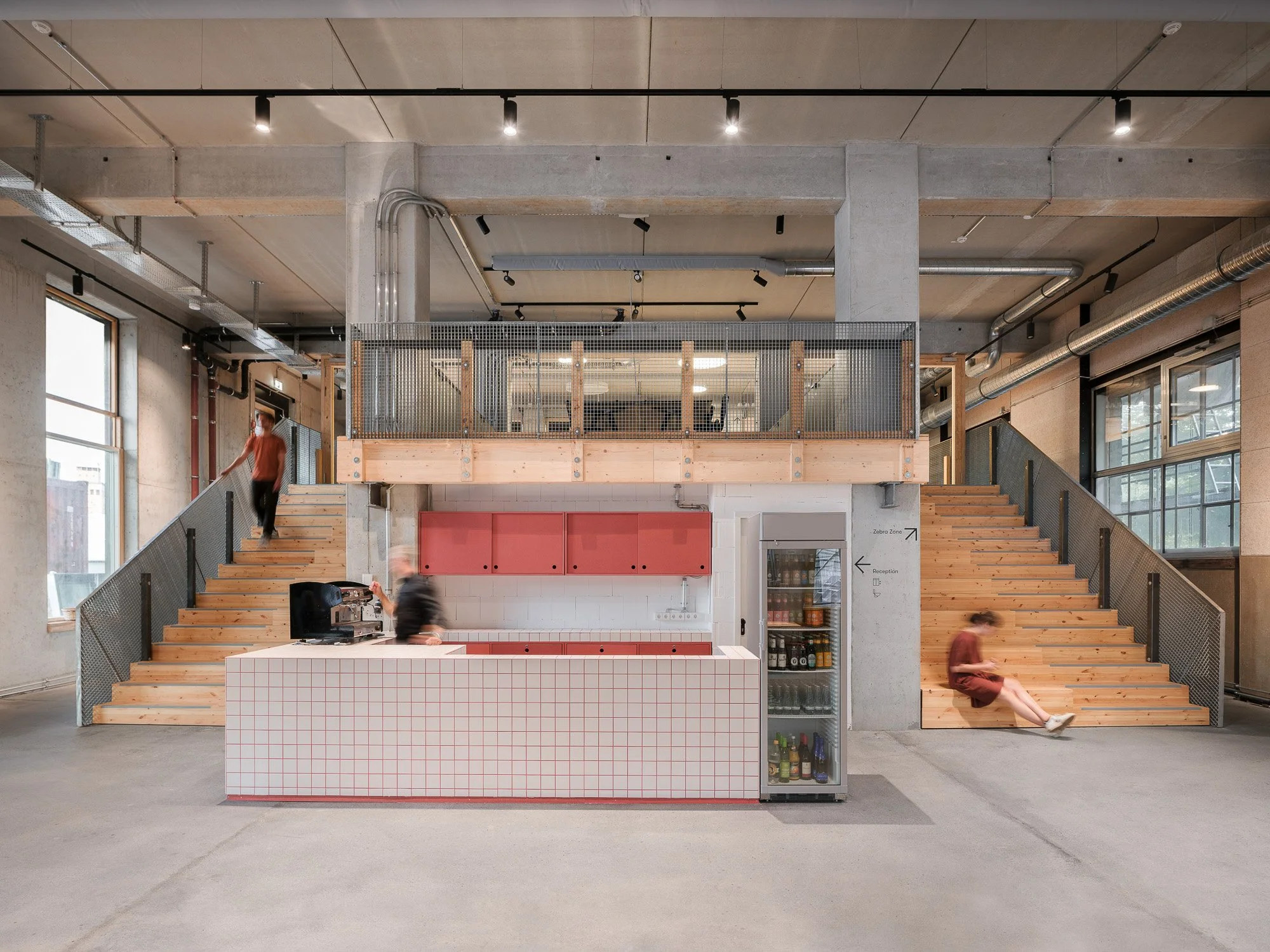
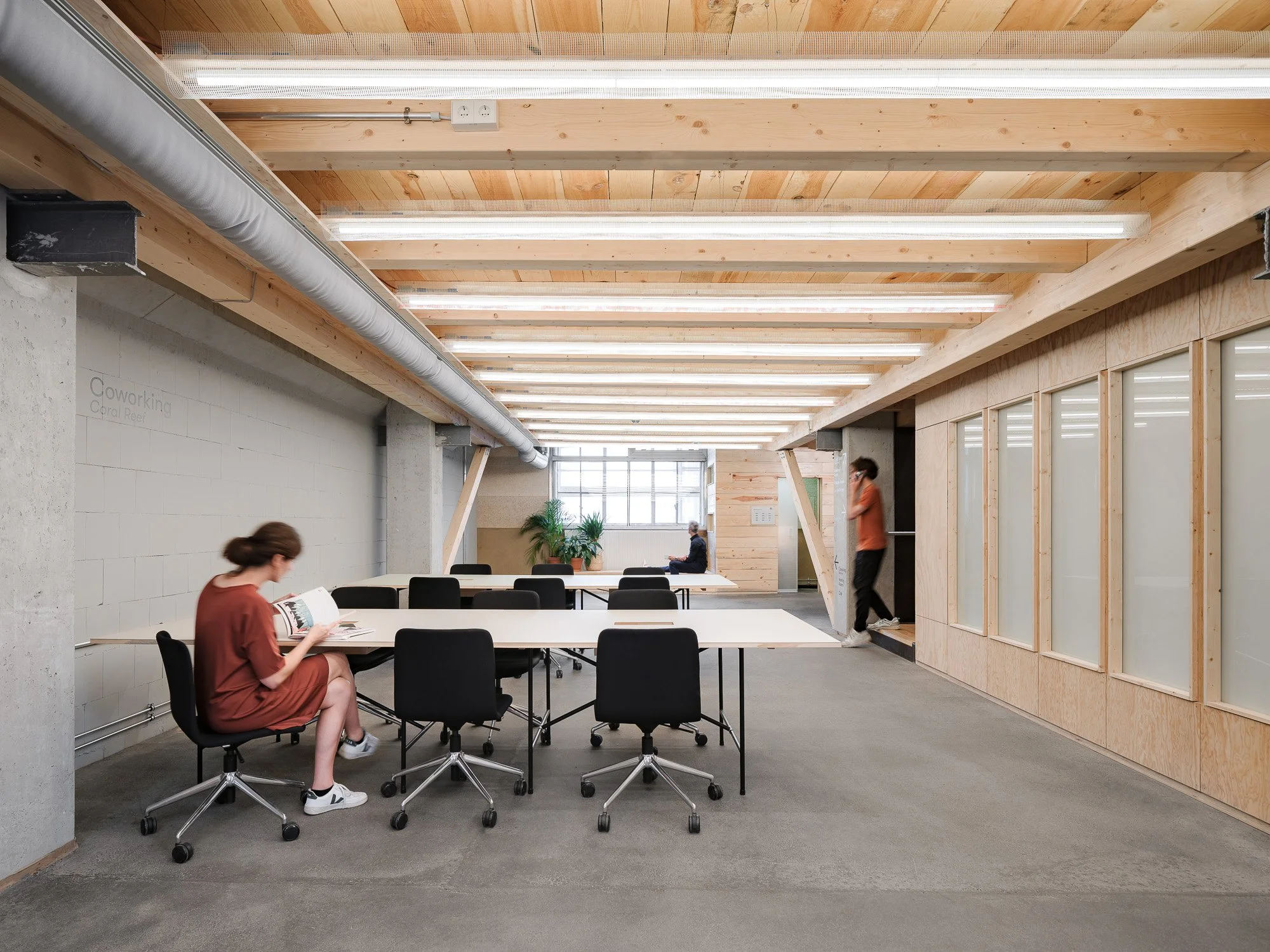
Impact Hub Berlin
At Impact Hub Berlin, visual comfort is not treated as a luxury but as a fundamental design responsibility. As a space for events, exchange, collaboration, and extended gatherings, the lighting must support people over long periods without creating visual stress. The project demonstrates how glare control, material sensitivity, and daylight integration can transform a complex event and co-working environment into a calm and readable spatial experience.
Rather than overpowering the architecture or activity, the lighting concept focuses on restraint. Light is carefully positioned to support orientation, interaction, and presence – without drawing attention to itself.
How Studio De Schutter designed against glare and visual stress:
- Deep integration of daylight studies to reduce artificial lighting where natural light is sufficient
- Clear separation of direct and indirect light to avoid harsh contrasts
- Custom semi-bespoke luminaires developed specifically to achieve low glare values
- Use of diffuse light sources instead of exposed LEDs
- Fabric-wrapped linear luminaires to soften brightness and control UGR
- Extensive mock-ups and on-site testing to fine-tune light distribution
- Careful positioning of luminaires to avoid direct views into light sources
- Lighting that supports long-term visual comfort across event areas, meeting zones, and shared spaces
The result is a lighting concept that deliberately remains in the background. Light is present where it is needed, restrained where it would distract, and tuned to the rhythm of changing uses throughout the day and evening. Instead of competing with architecture or activity, it supports both quietly and consistently.
By reducing glare and visual noise, the lighting allows users to look freely, move naturally, and remain engaged over extended periods of time. Eyes are not constantly adjusting, avoiding, or compensating. This sense of ease is often felt before it is consciously noticed. The project shows that true quality in lighting design is not about spectacle, but about comfort, clarity, and respect for human perception.
Why work with Studio De Schutter
Most common lighting problems are avoidable. Not through more technology, bigger budgets, or trend-driven products, but through better thinking. This is exactly where Studio De Schutter comes in.
Our approach to lighting design starts long before luminaires are selected. We don’t see light as an add-on or a final layer. We see it as an integral part of spatial identity. Every project begins with understanding the space, its users, its rhythm, and its emotional intent. Only then does light take shape.
What sets Studio De Schutter apart is the balance between precision and perception. We combine technical clarity with atmospheric depth. We design lighting that performs reliably, ages well, and remains flexible, without ever losing its emotional impact. Light should support people, not overwhelm them. It should guide, not dominate.

We work across hospitality, workplace, residential, and cultural spaces, always with the same mindset: lighting must belong to the architecture. It must respect materials, proportions, and daylight. It must create hierarchy, comfort, and meaning. And it must still function flawlessly years later.
Choosing Studio De Schutter means choosing a partner who questions standard solutions, avoids generic answers, and designs light that feels inevitable - as if it could not exist any other way.
Contact Us:
