Sustainable lighting: a comprehensive guide for businesses and private spaces
A comprehensive guide for businesses and private spaces
Sustainable lighting does not begin with the luminaire. It begins with the question of how much light a space truly needs and why. Planning determines whether light works in the long term, remains atmospheric, and conserves resources.
Truly sustainable lighting concepts emerge from the interplay of actual demand, daylight, control systems, and durable solutions. Efficiency alone is not enough—the decisive factor is the mindset behind the concept.
Our approach: Sustainable lighting means designing spaces that function reliably over time—technically, atmospherically, and culturally.
Impact Hub Berlin at CRCLR House
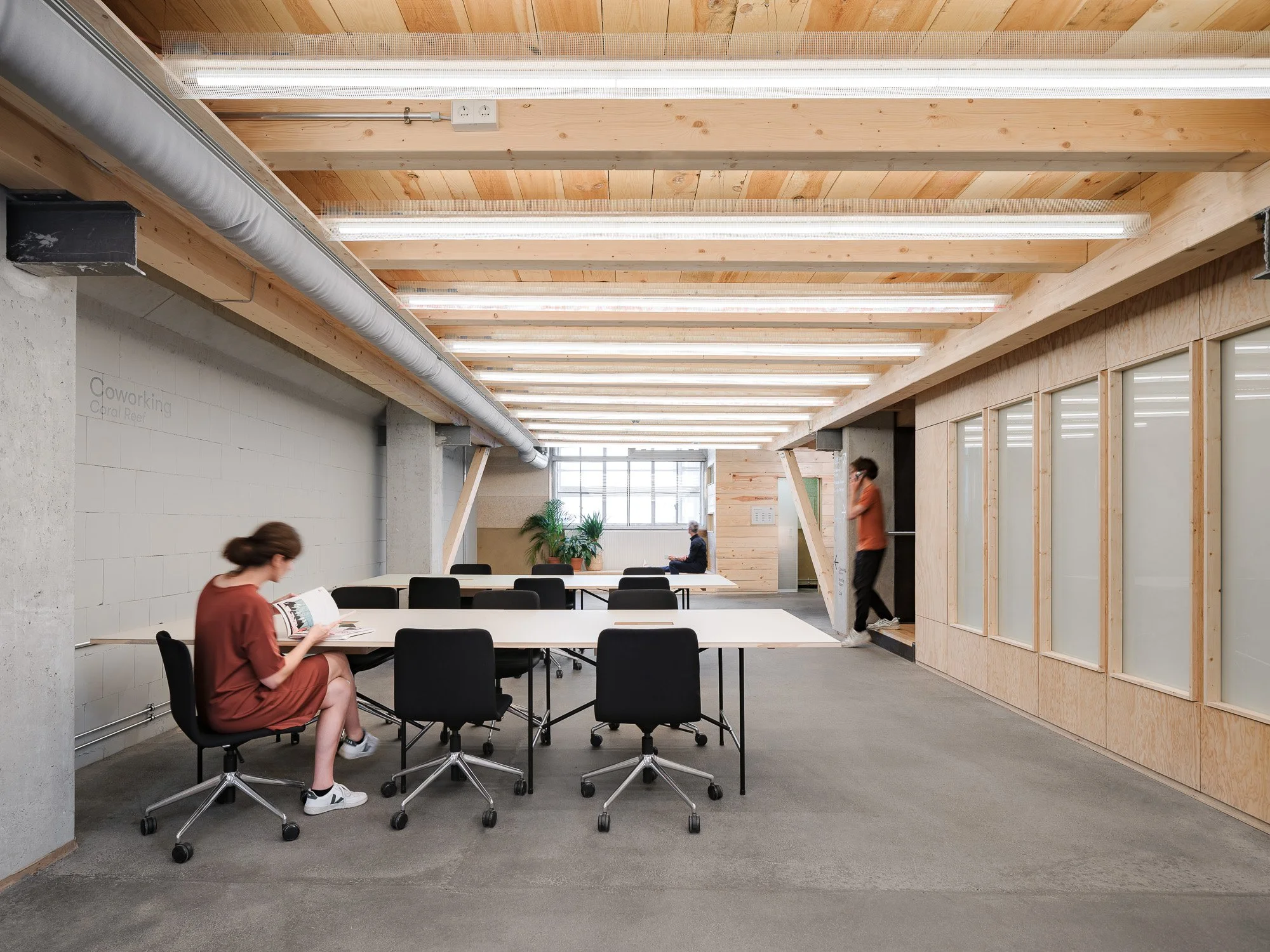
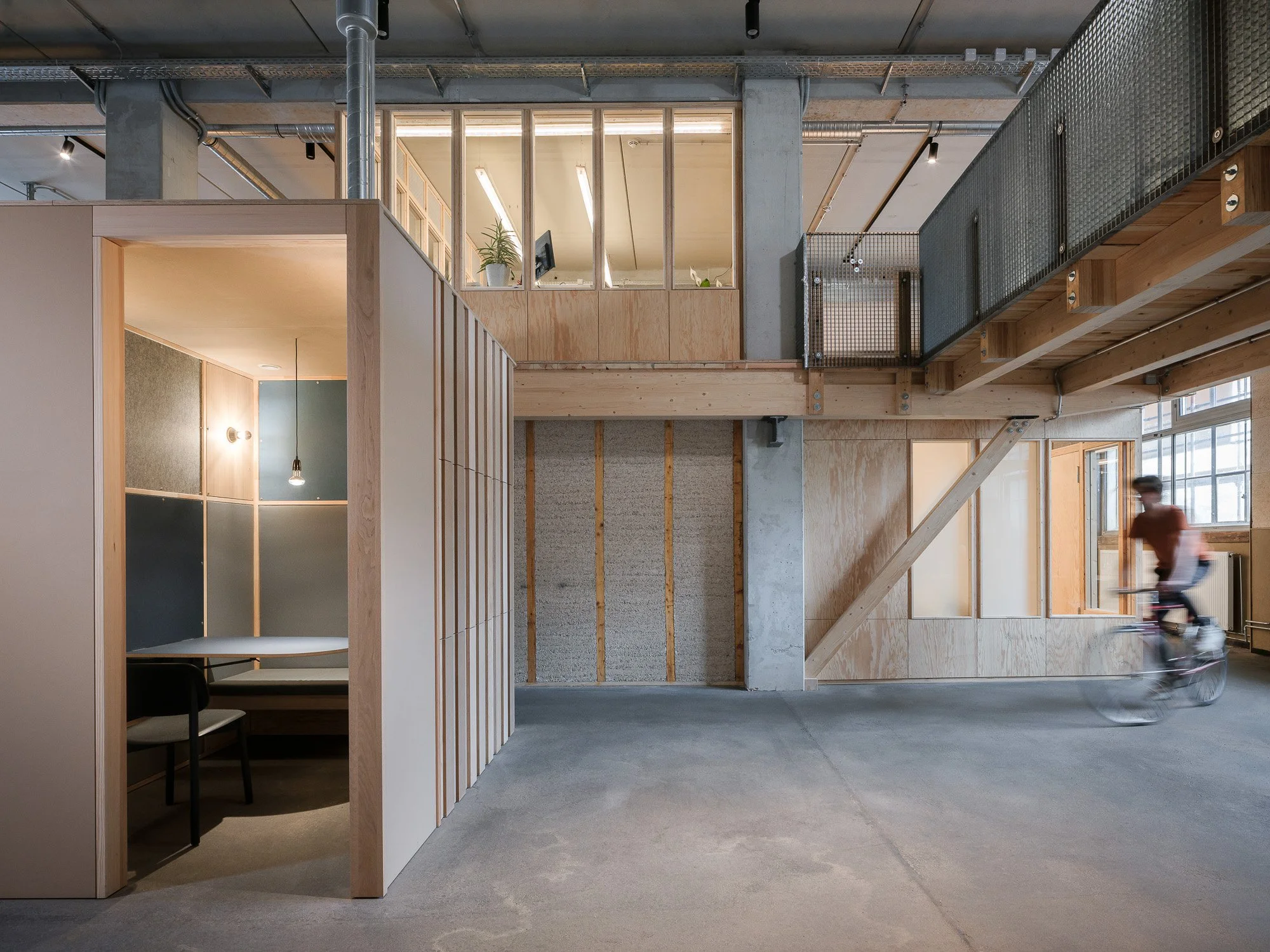
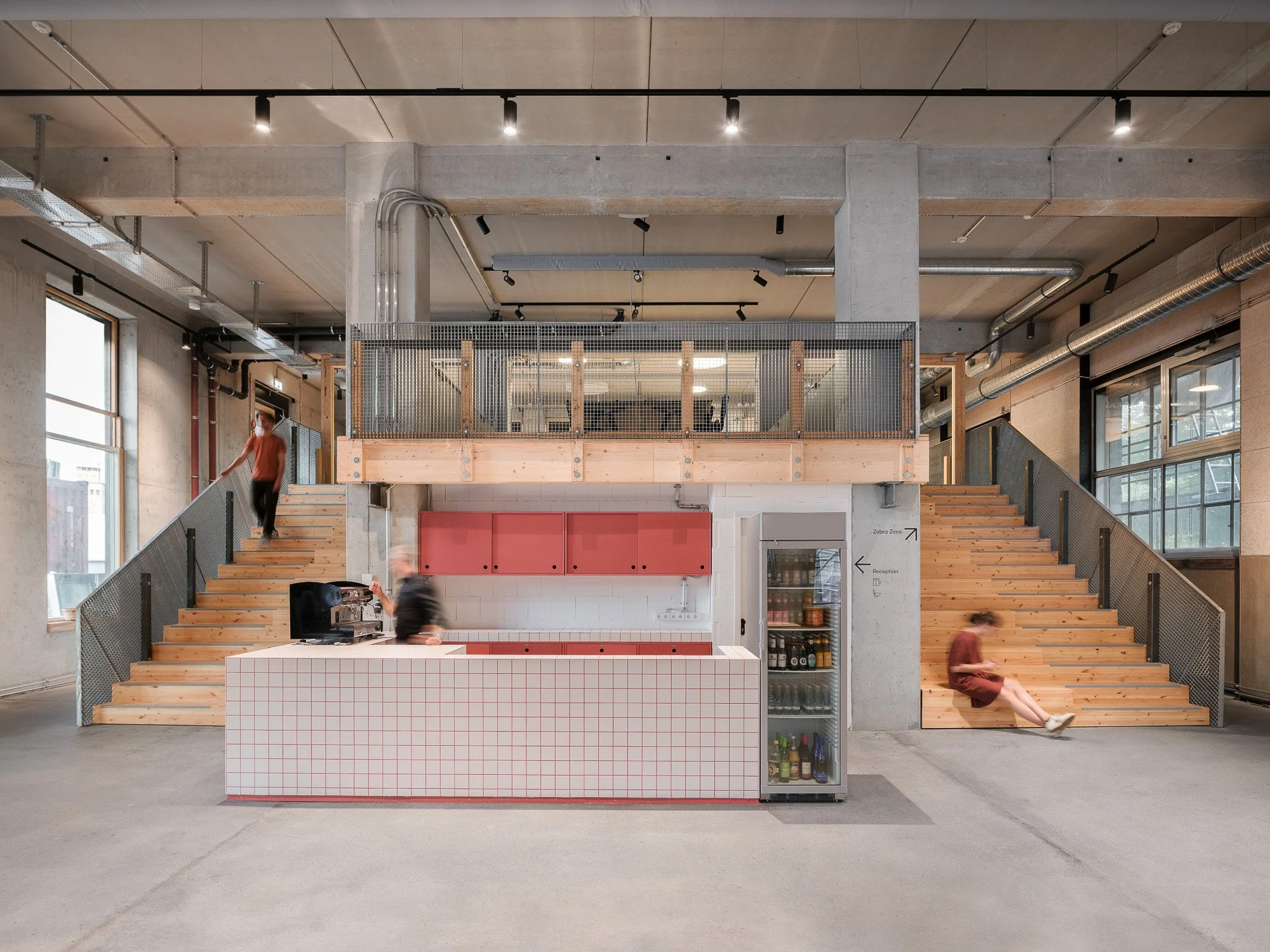
At Impact Hub Berlin in the CRCLR House, sustainable construction meets a clear architectural attitude. The project is part of a Europe-wide network of co-working spaces that deliberately create environments for social, ecological, and sustainability-driven companies. Accordingly, both architecture and lighting design consistently followed a shared guiding principle: circular, resource-efficient, and designed for long-term use.
The industrial character of the former warehouse of the Kindl Brewery was deliberately preserved. Open co-working areas, private offices, meeting rooms, lounges, and a café form a diverse working landscape. Workshops and maker labs expand the program with spaces for exchange, production, and collaborative work. The lighting design supports this diversity without fragmenting it visually.
A central element of the concept was holistic daylight and artificial lighting planning. Studio De Schutter carried out extensive daylight studies that influenced not only the placement of luminaires but also the spatial organization. Where daylight is insufficient, artificial lighting complements it in a targeted and energy-efficient way. The results of these analyses formed the basis for switching groups and time-based control systems.
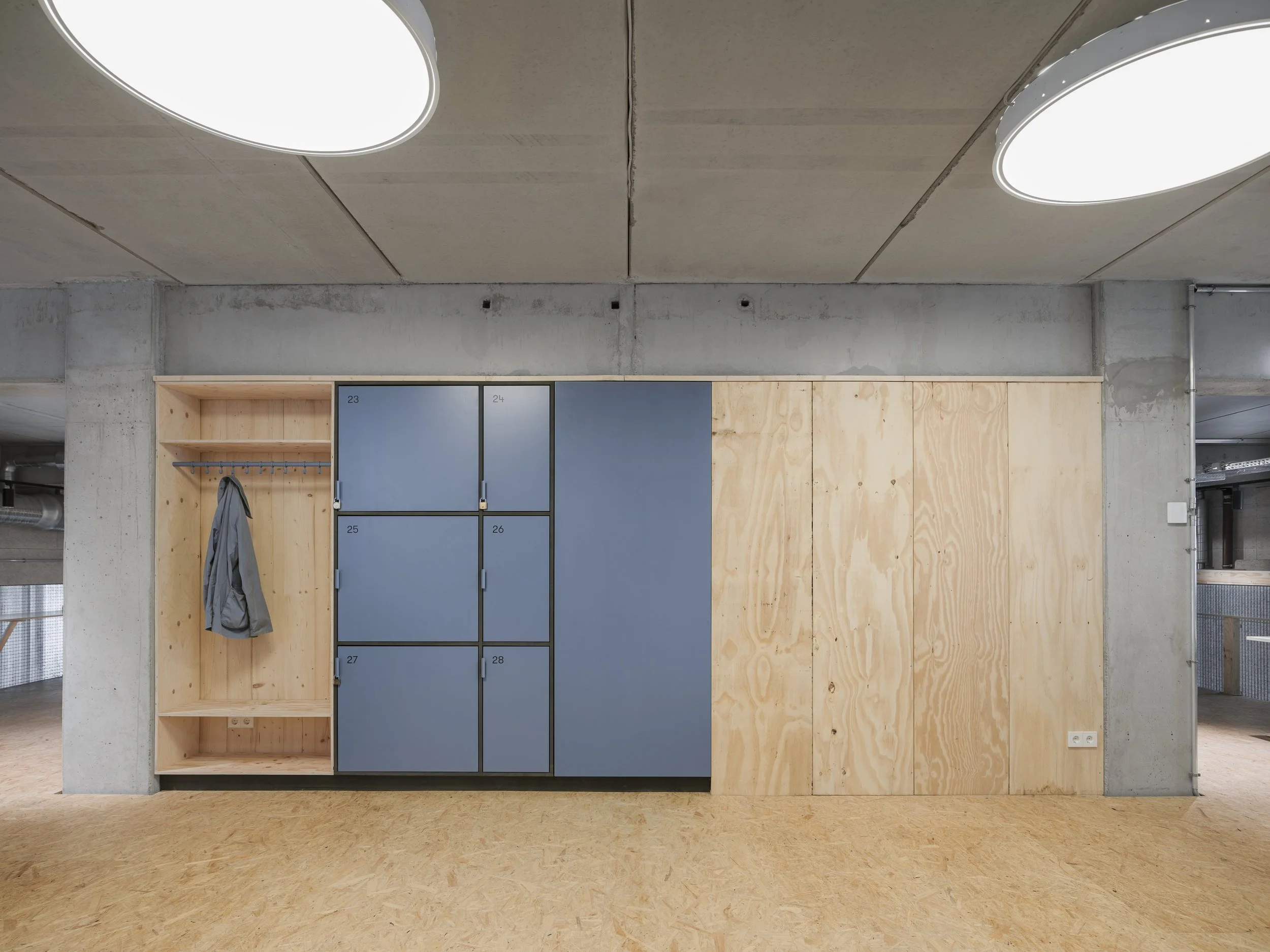
The circular approach required a more intensive planning process than usual. Many luminaires originated from remaining stock, previous projects, or were deliberately modified. One example is the large, round surface-mounted luminaires on the mezzanine level, which were originally designed as recessed luminaires and were given a second life here. Despite this approach, standards, certifications, and visual quality were consistently maintained.
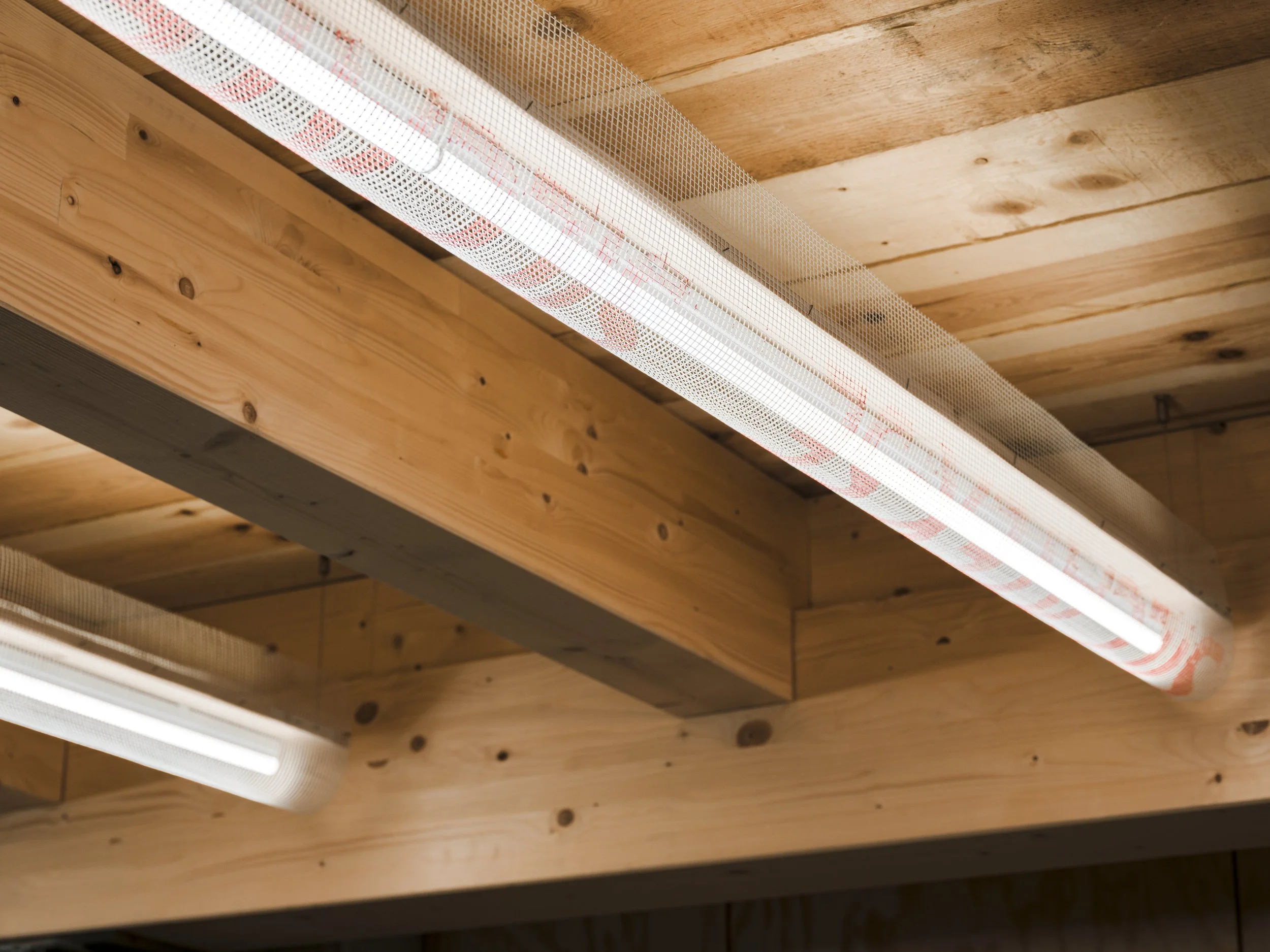
For the work areas, we developed bespoke lighting solutions using reclaimed wood and standard components. Direct and indirect light components ensure uniform, glare-free working conditions. Textile coverings and tests with different materials helped reduce UGR values while creating a warm, calm atmosphere.
Impact Hub Berlin at the CRCLR House demonstrates that sustainable lighting design is not a compromise. On the contrary: clear principles, creative solutions, and a holistic perspective create design freedom. The project is an example of how circular lighting concepts can already be implemented today—cost-aware, functional, and with a strong spatial identity.
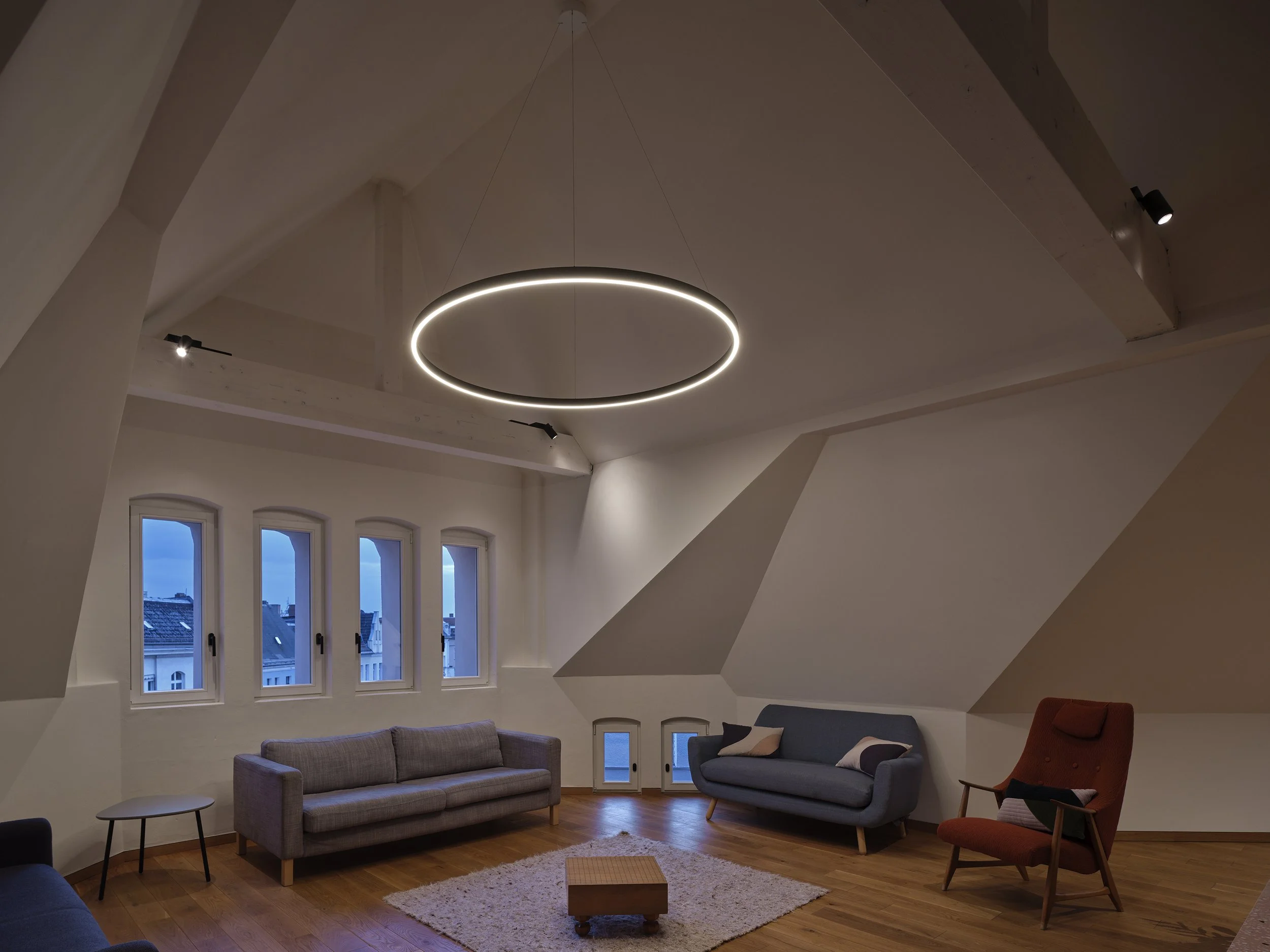
Eisenbahnstraße – attic conversion in Berlin Kreuzberg
The attic conversion follows the principle of thinking light and architecture as one. The goal was to create a flexible, residential atmosphere with a clear design language.
Different light sources, precisely placed spotlights, and a ring-shaped pendant luminaire create depth, calmness, and flexibility of use—even with changing furniture layouts.
Dim-to-warm solutions in the bathroom and indirect lighting elements in the living area create a calm, high-quality lighting atmosphere.
Contact us.
If you have a project in mind or are already planning something concrete, we support you
from the initial idea through to implementation. Together, we develop sustainable,
functional, and atmospheric lighting concepts.