

An office is not a container for workstations.
It is a space for decisions. For exchange. For focus.
Light determines whether a workplace gives energy or drains it.
Here are nine impulses from the perspective of a lighting designer who thinks in holistic spaces.
02. Starting with Daylight
03. Consistently Avoiding Glare
04. Defining Zones Through Light
05. Integrating Light into Architecture
06. Working with Contrasts
07. Choosing Color Temperature Consciously
08. Making Technology Invisible
09. Thinking Sustainably and Long Term
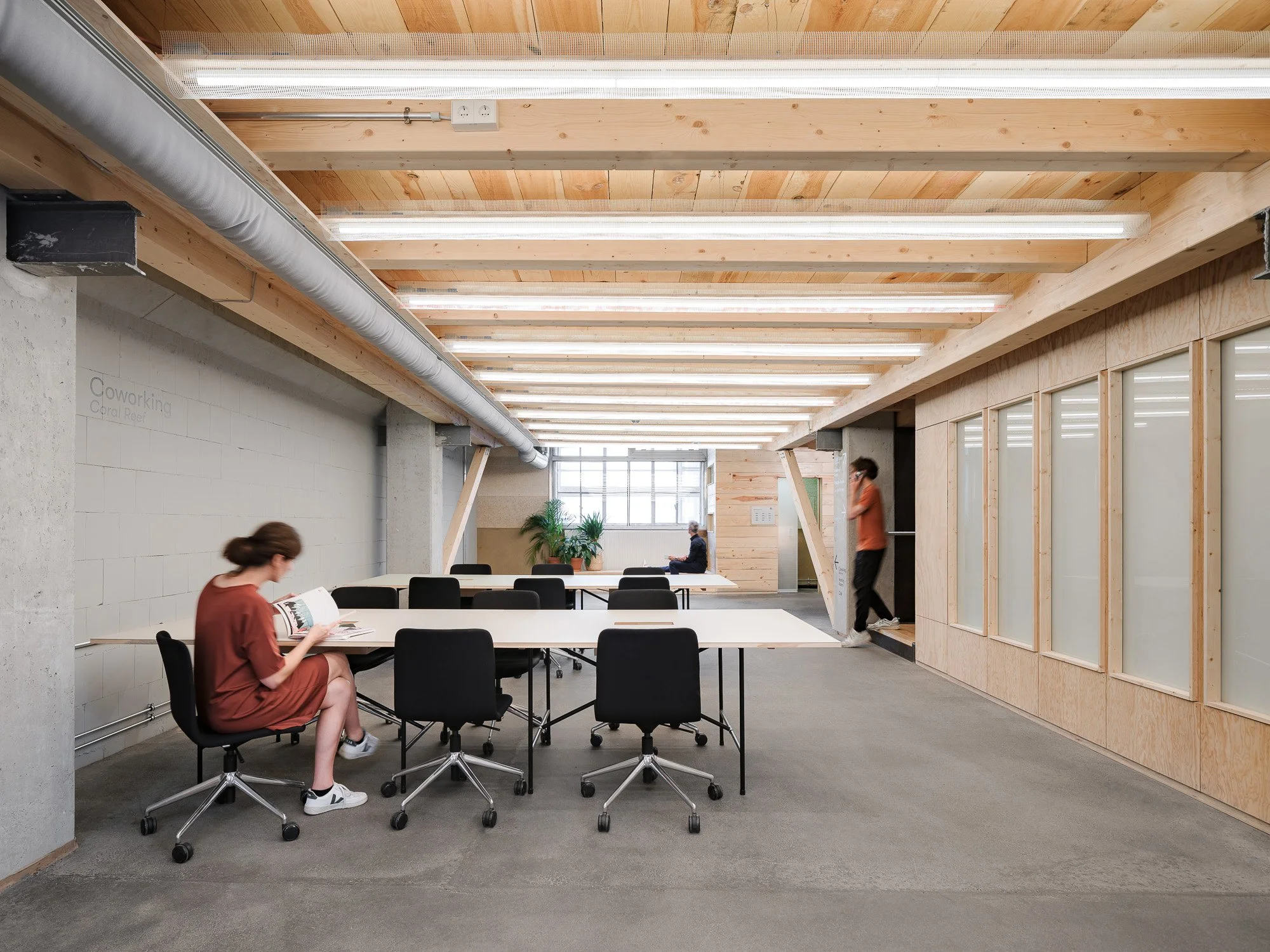
1. Thinking in Layers of Light, Not in Brightness Levels
One single ceiling light is not enough.
And a high lux number is not a concept.
Professional office lighting is built in layers. Ambient lighting provides orientation and visual security within the space. It creates a calm, even foundation.
These layers are not decorative extras. They serve different functions — visually, psychologically, and spatially. Only when they are tuned to each other does a lighting atmosphere emerge that works both functionally and emotionally.
An office that is simply bright feels flat.
An office with layered light feels intentional.
Light directs the gaze. It defines hierarchies. It decides what matters in the space — and what fades into the background.
Good light doesn’t just illuminate. It structures.
2. Starting with Daylight
Every professional lighting concept begins not with a fixture, but with a view to the outside.
How does light enter the space?
From which orientation?
How deep does it reach?
Where do strong contrasts or glare occur?
Daylight is dynamic. It changes color, intensity, and direction throughout the day. Cool and activating in the morning. Clear and direct at noon. Soft and warm in the evening. This rhythm shapes our perception more deeply than any technical solution.
Good lighting does not replace the sun. It translates it.
3. Consistently Avoiding Glare
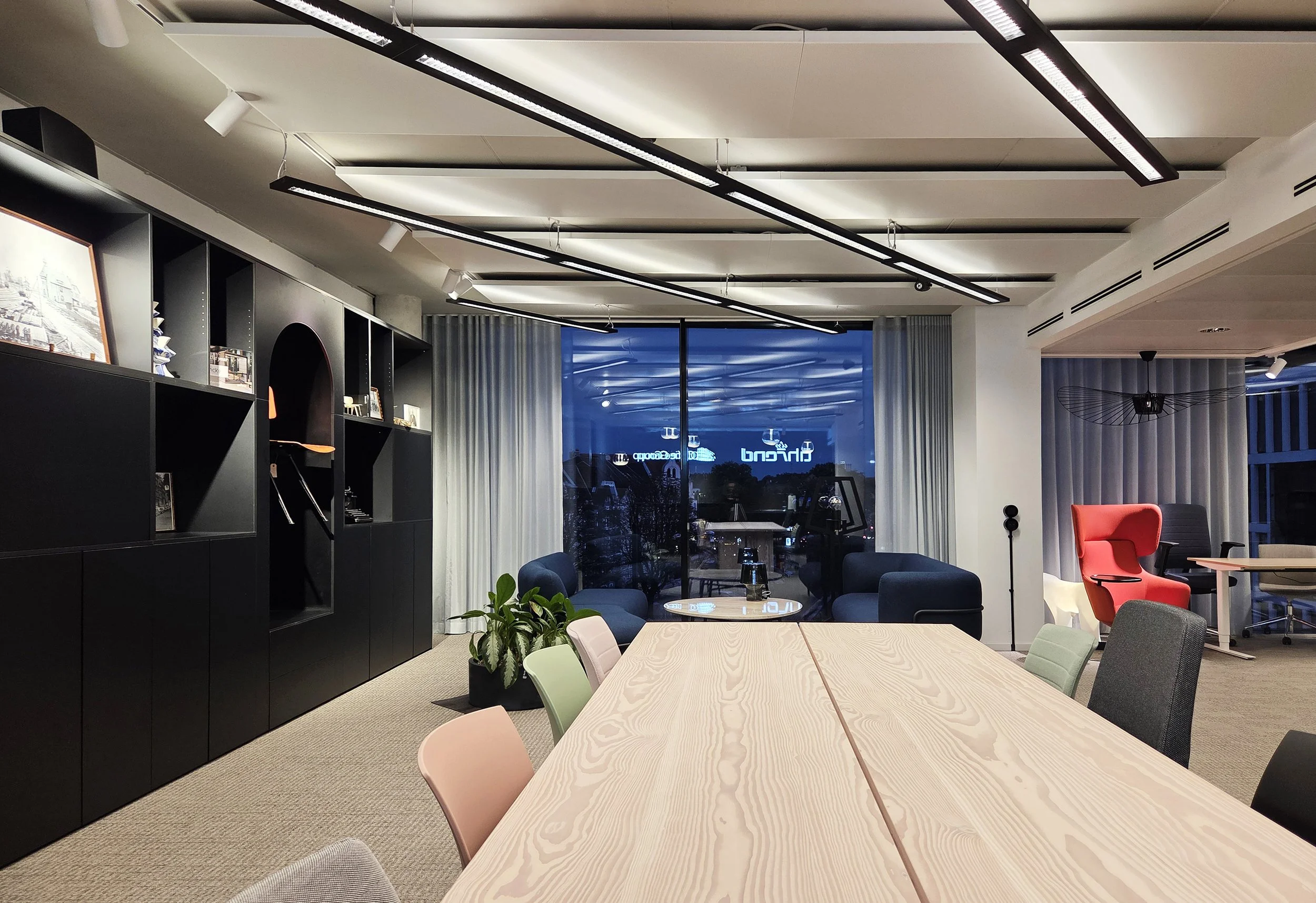
Glare is one of the most common problems in workplaces — and one of the most expensive when productivity and wellbeing are taken into account.
Visible light sources, harsh light and dark contrasts, or reflections on screens constantly strain the eye. The gaze shifts. The pupil keeps readjusting. Concentration decreases. Fatigue increases. Often gradually, without a clear cause.
Key factors include:
• luminaires with appropriate glare control and controlled light distribution
• sufficient indirect light to reduce strong contrasts
• thoughtful positioning above work surfaces and screen based workplaces
• matte materials instead of highly reflective surfaces
• consideration of standards such as UGR as a planning basis
Glare free lighting is not a comfort bonus. It is a functional necessity.
4. Defining Zones Through Light
Open floor plans feel generous. Yet without a clear lighting structure, they lose orientation and atmosphere.
Where does focus begin.
Where does exchange end.
Where does retreat become possible.
Light takes on the role that walls once had.
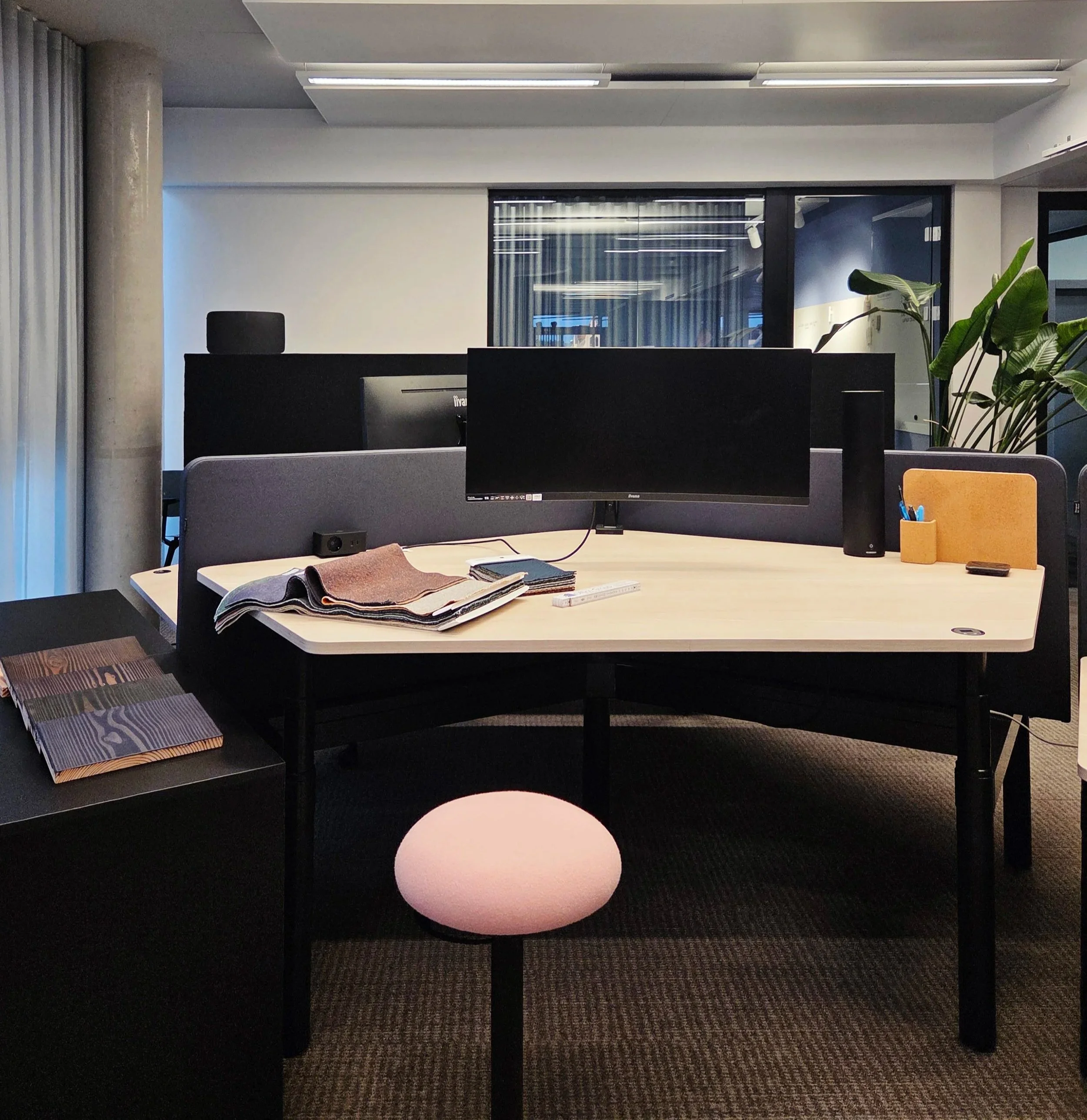
Focus areas require directed, even, and visually calm light. Clear light cones on work surfaces. Reduced contrasts in the surroundings. An atmosphere that supports concentration and minimizes distraction.
Communication zones can feel softer. Warmer light tones. Larger illuminated areas. More vertical lighting for faces.
This creates closeness. Openness. Dialogue.
5. Integrating Light into Architecture
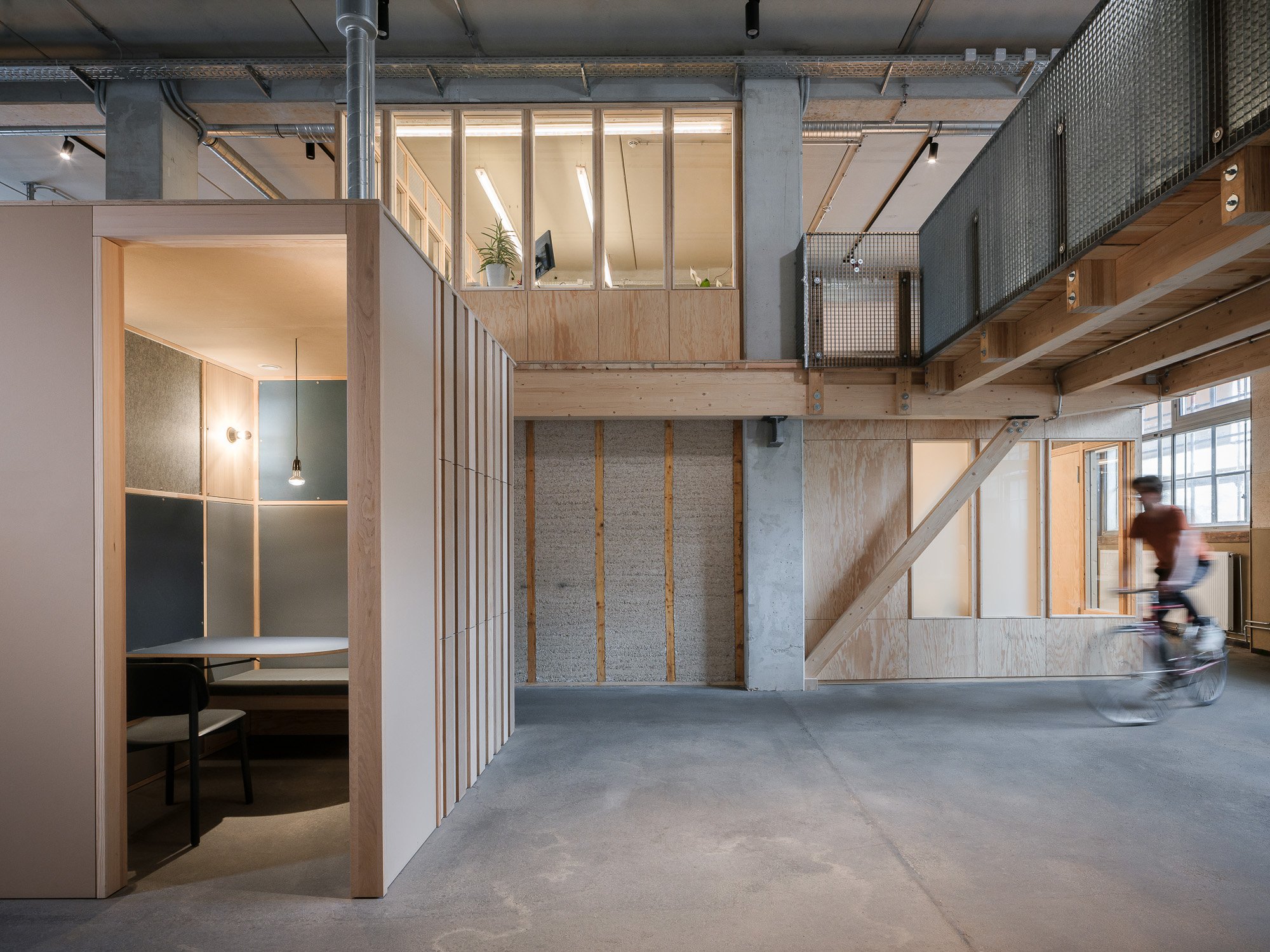
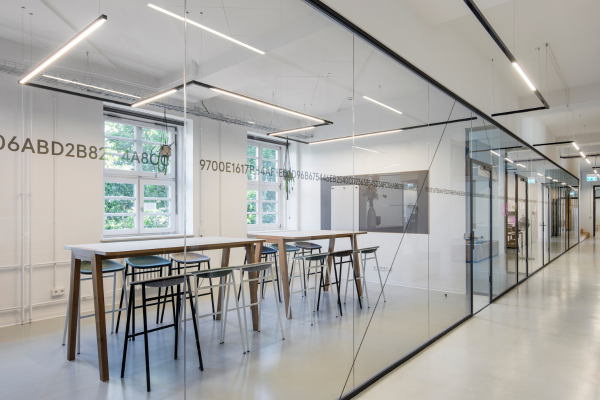
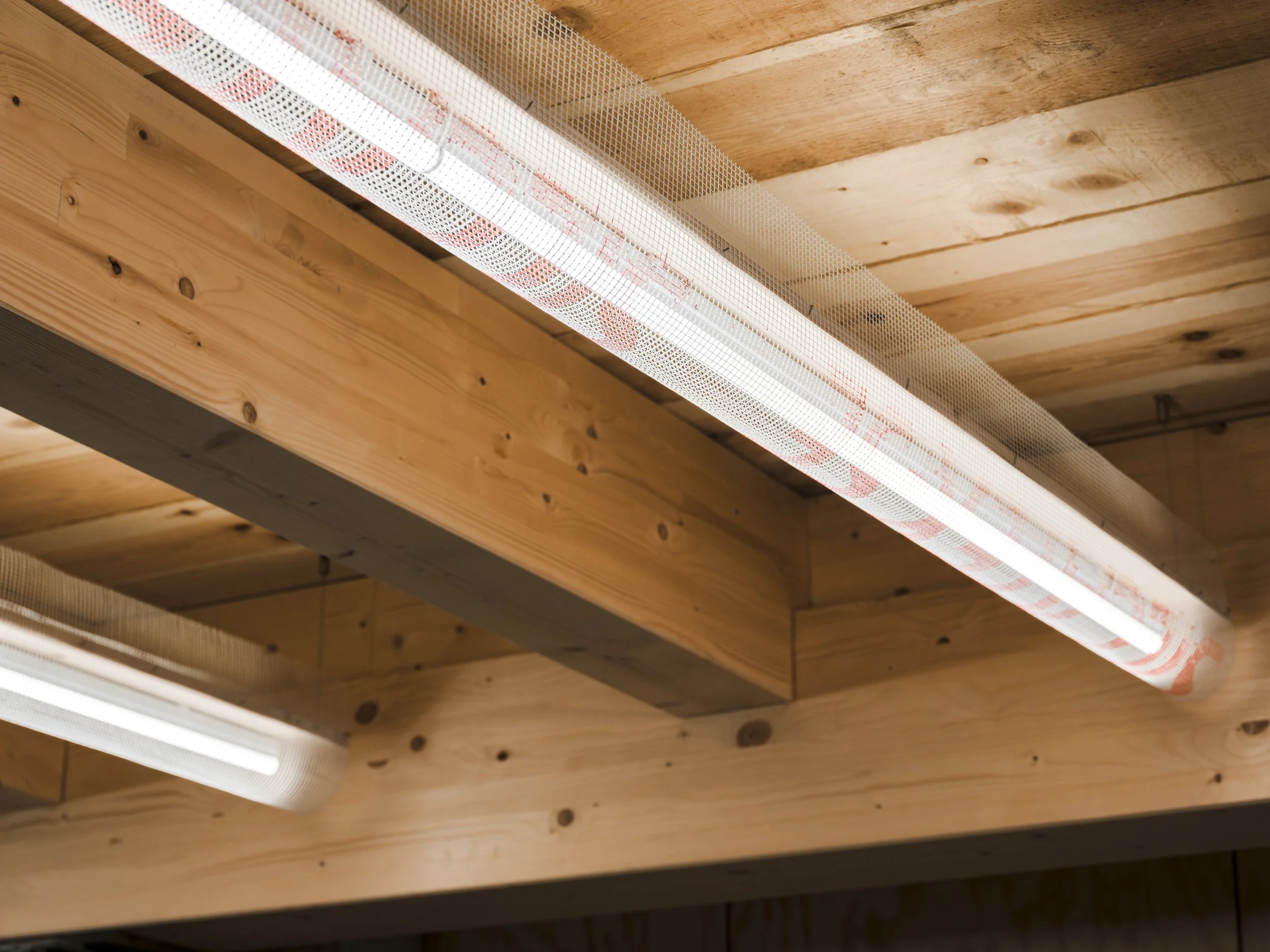
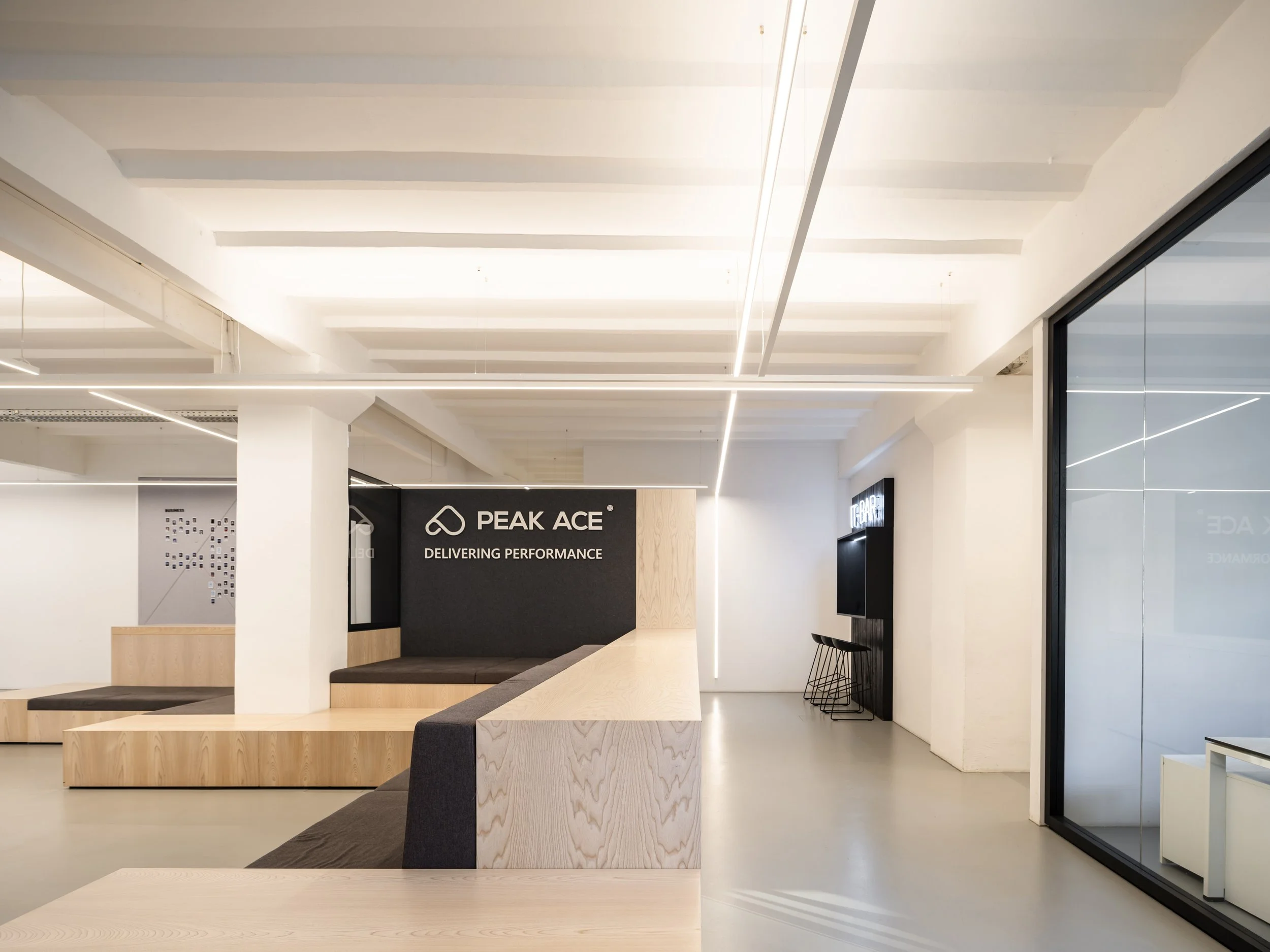
Luminaires must not feel added. They need to be part of the space.
When light is treated as a later addition, visual tension emerges. Visible technology competes with materials, lines, and proportions. The space loses clarity.
Professional lighting design therefore thinks architecturally.
It reads floor plans.
It understands axes.
It analyzes ceiling heights and materials.
What matters:
• light lines follow the architecture, not the other way around
• recessed luminaires are precisely proportioned and positioned
• light apertures are cleanly defined
• technology remains in the background, impact in the foreground
• materials and color temperature are carefully aligned
6. Working with Contrasts
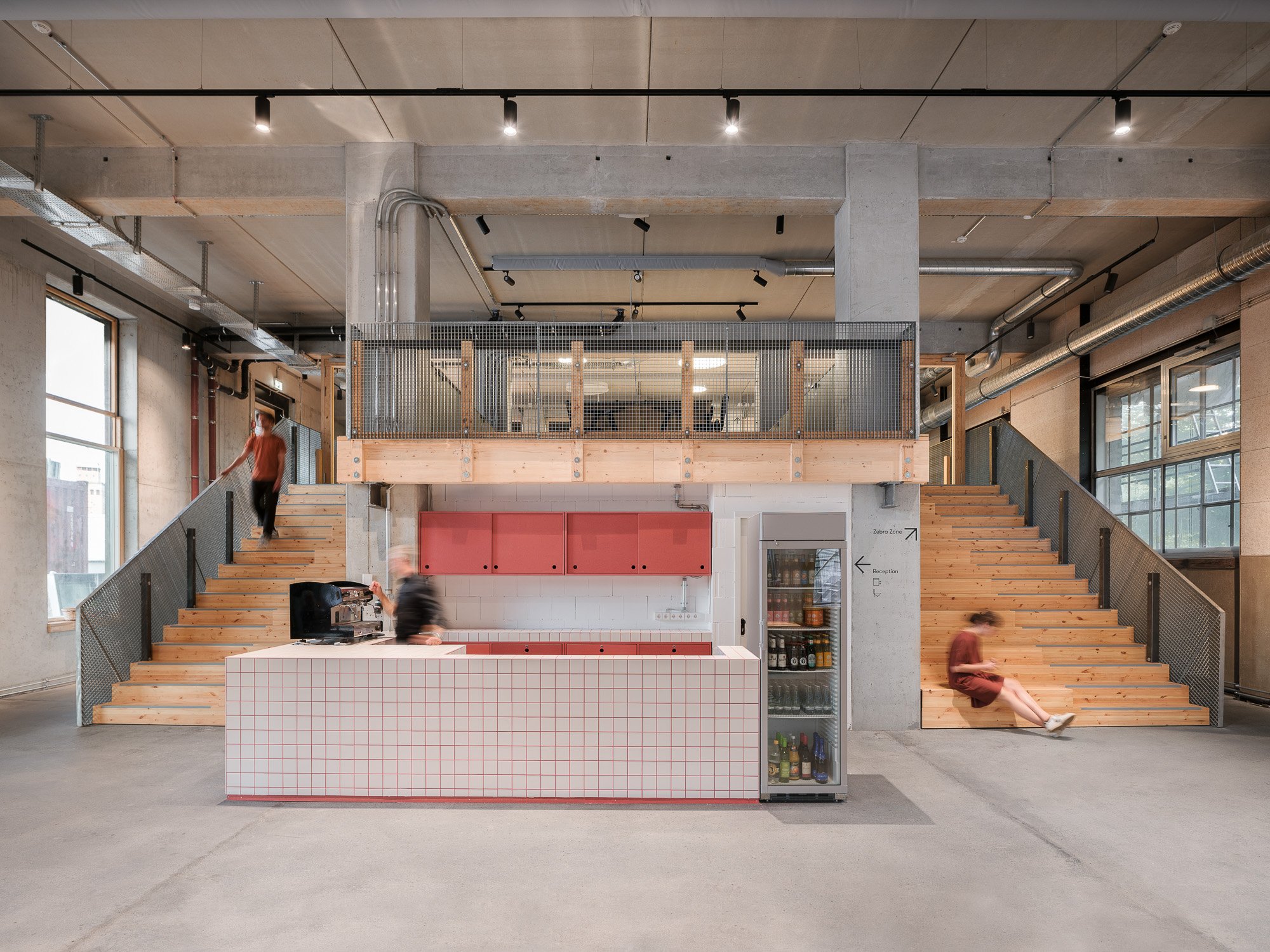
A space that is illuminated completely evenly may appear orderly at first. Yet monotony quickly sets in. Without differences, the eye loses orientation.
Perception works through contrast. Lighter and darker. Near and far. Emphasized and subdued.
Professional lighting design therefore works deliberately with graduated brightness levels:
• stronger vertical illumination to highlight walls
• differentiated brightness levels between workplace and surroundings
• targeted accent lighting on meeting tables or gathering points
Contrast does not mean restlessness. When applied correctly, it creates clarity, tension, and dynamic balance.
7. Choosing Color Temperature Consciously
Light does not only work through brightness, but through its color. It determines whether a space feels objective, inviting, or energizing.
Light that is too cool can feel distant and technical. Light that is too warm may create closeness, yet in work environments it can also encourage fatigue. Between 3000 and 4000 Kelvin lies a sensitive range in which atmosphere can be precisely controlled.
Warmer tones around 3000 Kelvin support creative processes, exchange, and informal conversations. More neutral light colors up to 4000 Kelvin enhance clarity, focus, and analytical work.
Color temperature is therefore not a minor detail, but a central design element in lighting planning.
Light color influences mood more directly than many assume.
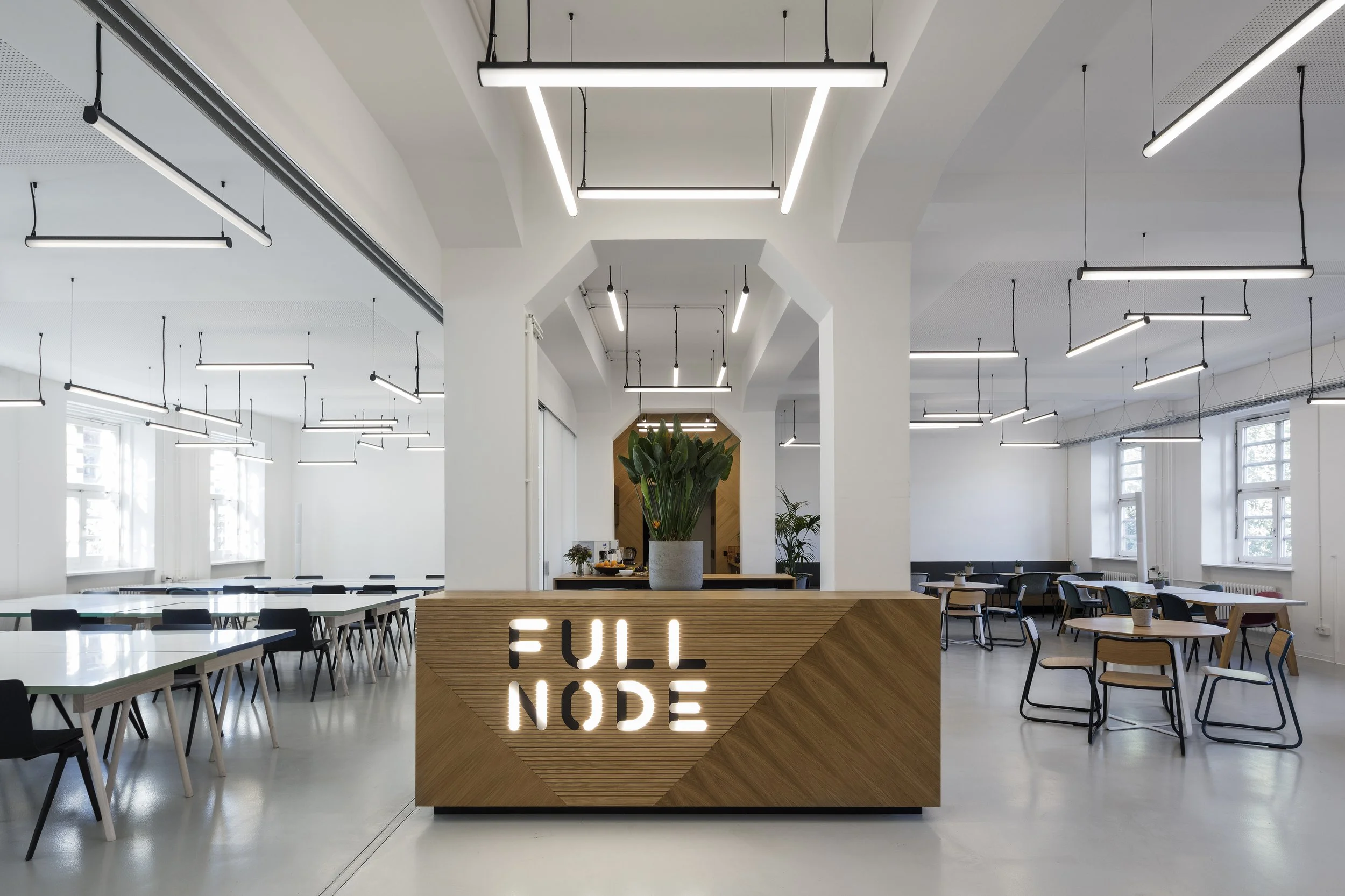
8. Making Technology Invisible
Modern workplaces can hardly function without intelligent lighting control. Different uses, changing teams, hybrid work models, and increasing sustainability requirements demand flexible systems.
Yet the more complex the technology becomes, the clearer its application must be.
No one wants to test multiple switches in a meeting room. No one wants to open apps just to slightly adjust the brightness. Good lighting design makes technology perceptible — but not visible.
Instead of individual switches, lighting scenes emerge. Instead of constant manual adjustment, the system responds to daylight. Instead of permanent operation, control systems detect presence and demand.
Professional concepts therefore integrate:
• predefined scenes for focus, presentation, or collaboration
• automatic constant light control with changing daylight
• presence based control for energy efficiency
• intuitive interfaces with clear logic
• central control systems operating in the background
Good lighting technology thinks along. It responds without drawing attention. It optimizes energy consumption, comfort, and atmosphere at the same time.
Technology may support. But it should never dominate.
9. Thinking Sustainably and Long Term
Sustainability in lighting design does not begin with wattage. It begins with attitude.
Energy efficient light sources are a given. But true sustainability reveals itself in the lifespan of a concept. In the question of how flexibly a system can respond to new requirements.
Professional concepts therefore rely on:
• modular systems that can be expanded or repositioned
• replaceable components instead of closed units
• durable materials and high quality drivers
• maintenance friendly constructions with clearly accessible technology
• control systems that remain update capable and scalable
Good lighting is not a short term trend. It stays relevant because it was conceived to be flexible, robust, and architecturally integrated.
Why Studio De Schutter
Professional office lighting design is neither a technical obligation nor a late addition that is simply “taken care of” at the end of a project. It is a strategic component of spatial planning. It connects architecture, perception, and function into a coherent whole. Light defines proportions, guides sightlines, supports orientation, and influences how materials, colors, and surfaces are perceived.
At the same time, light has an immediate impact on people. It affects concentration, energy levels, and emotional comfort. A well considered lighting concept reduces visual fatigue, creates clarity in everyday work, and gives structure to the space. It strengthens a company’s identity, because atmosphere always conveys attitude.

When light enhances concentration, makes identity visible, and creates an atmosphere that allows for both calm and dynamism, more than a functional workplace emerges. An environment takes shape that enables performance, supports creativity, and fosters long term commitment. A space where people do not just work, but genuinely enjoy working.
Contact Us:
