

Daylight is more than a passive environmental factor. It structures space, influences perception and well being, and plays a decisive role in energy performance and regulatory approval. As part of our holistic lighting approach, Studio De Schutter offers comprehensive Daylight Planning alongside architectural lighting design, from early concept phases to building permit applications.
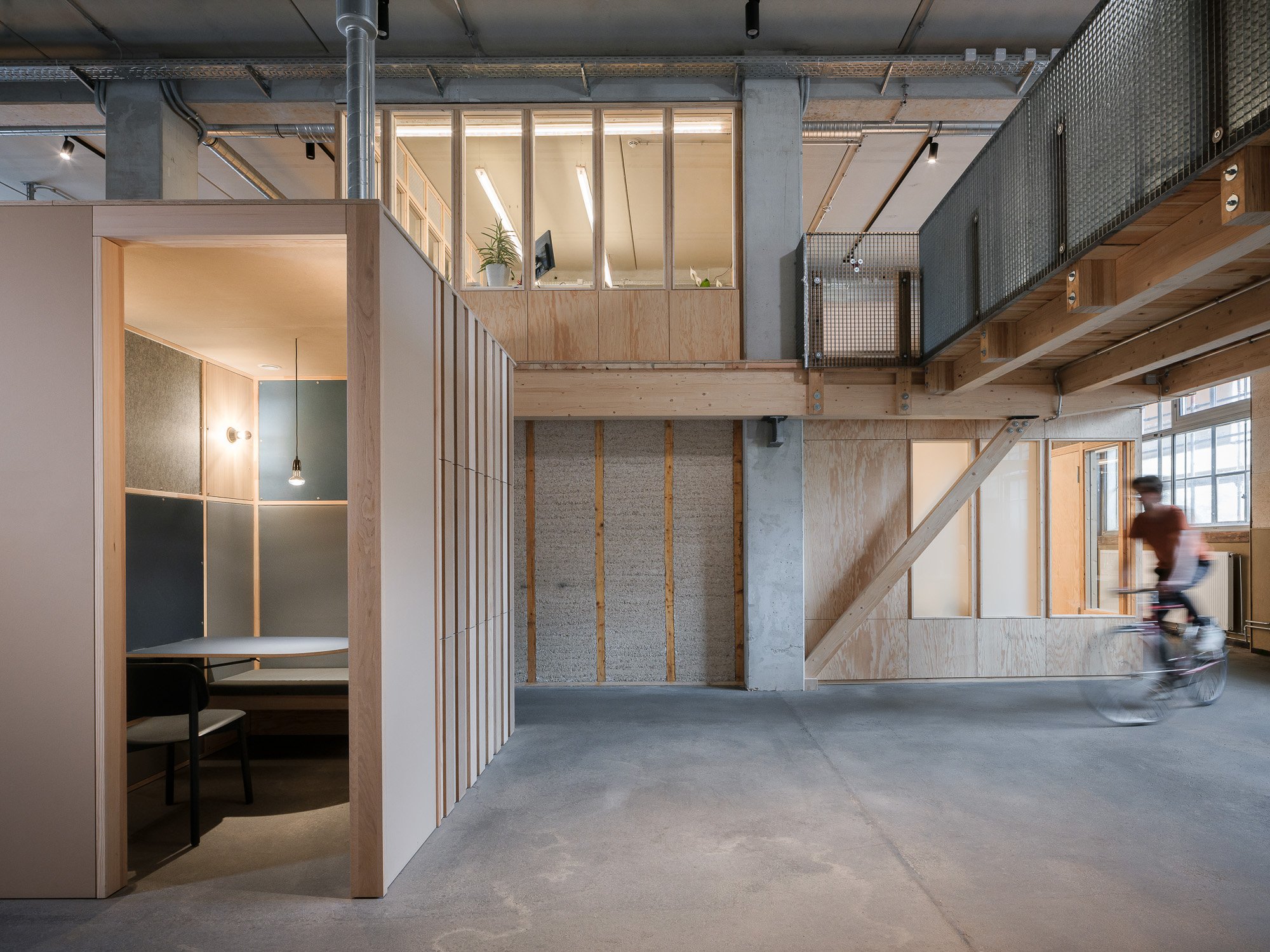
“Designing daylight means designing how architecture is read over time – technically precise, perceptually calm and regulation-ready.”
What Is Daylight Planning?
Daylight Planning is the systematic analysis and design of natural light within buildings and their surrounding context. It combines spatial design, building physics and regulatory requirements to ensure that daylight is used effectively, comfortably and compliantly.
Key objectives include visual comfort, spatial clarity, reduced artificial lighting demand and clear evidence for approval processes.
Core principles of Daylight Planning
Understanding how daylight enters a building based on orientation, massing and facade design
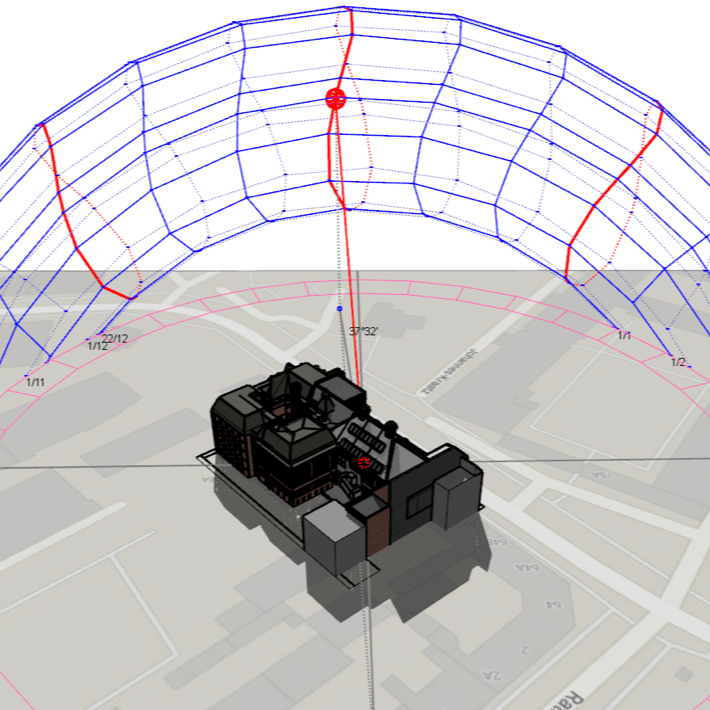
Analysing the movement of the sun over time, across seasons and throughout the day
Evaluating room depth, window proportions and surface reflectance
Identifying areas with insufficient daylight, glare risk or overexposure
Daylight and Regulatory Studies
Our daylight services are closely aligned with the requirements of planning authorities and approval processes. Studies are developed in relation to the specific project phase, building typology and regulatory context.
Daylight studies for building permits demonstrate compliance with applicable standards and planning regulations. Sun path and solar access analyses evaluate the impact of a building on its surroundings and vice versa, addressing potential conflicts with neighboring properties. Shading and overshadowing studies assess both self-shading and external shading effects over defined periods.
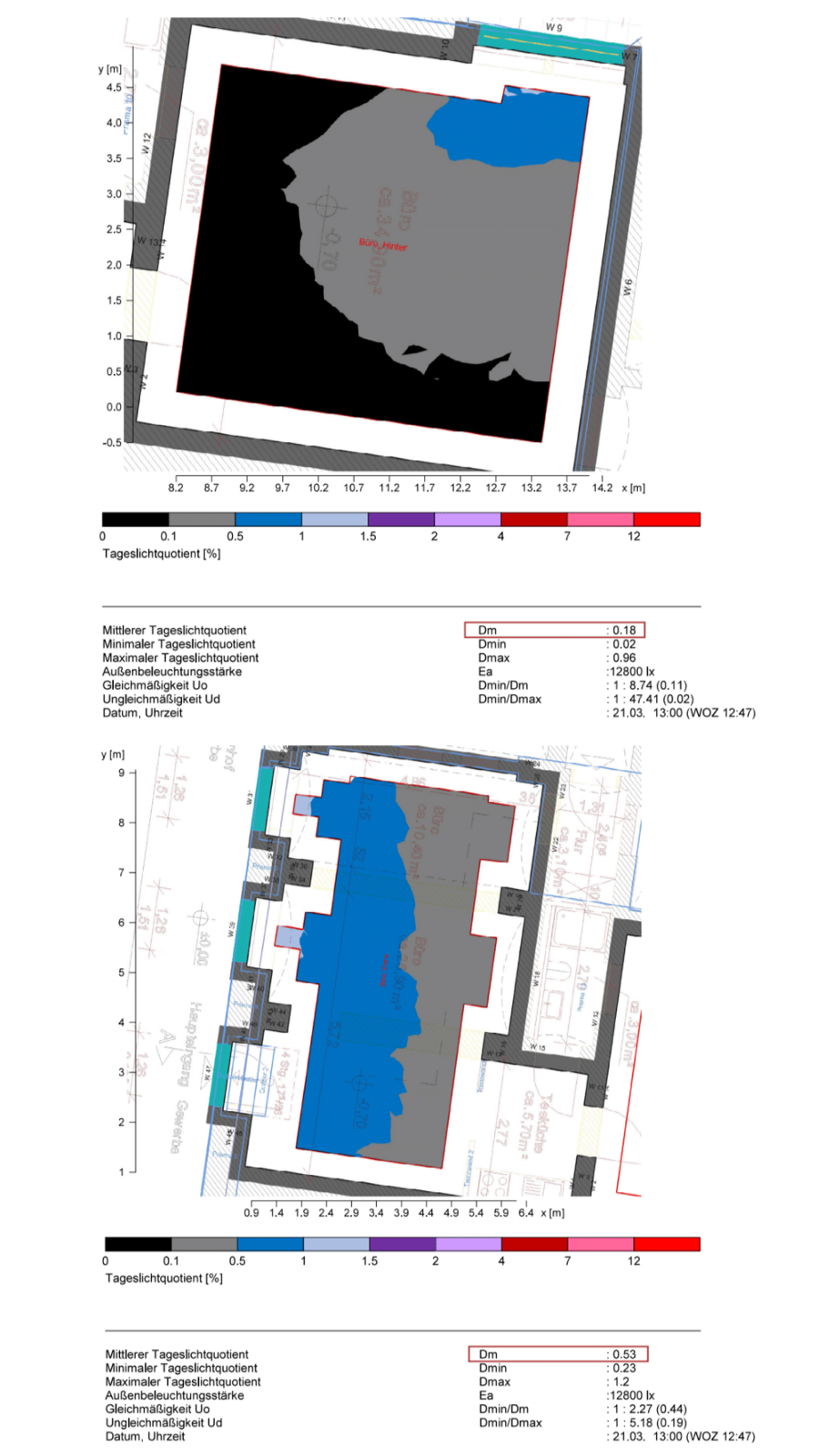
Daylight factor calculations provide a quantitative measure of how much natural light reaches interior spaces under standardized conditions, offering a clear basis for comparison and assessment.
For existing buildings, daylight assessments support adaptive reuse and change-of-use projects, ensuring that new spatial configurations meet contemporary daylight requirements despite structural constraints. All findings are compiled into expert reports suitable for submission to authorities, structured clearly and transparently.
Case Study: Impact Hub Berlin at CRCLR House – Daylight, Lighting & Circular Design
The Impact Hub Berlin at the CRCLR House is a project where sustainability, circularity and technical lighting planning converge to create a future-ready workspace that exemplifies how daylight and artificial light can be integrated meaningfully into a complex adaptive reuse environment.
Context & Vision
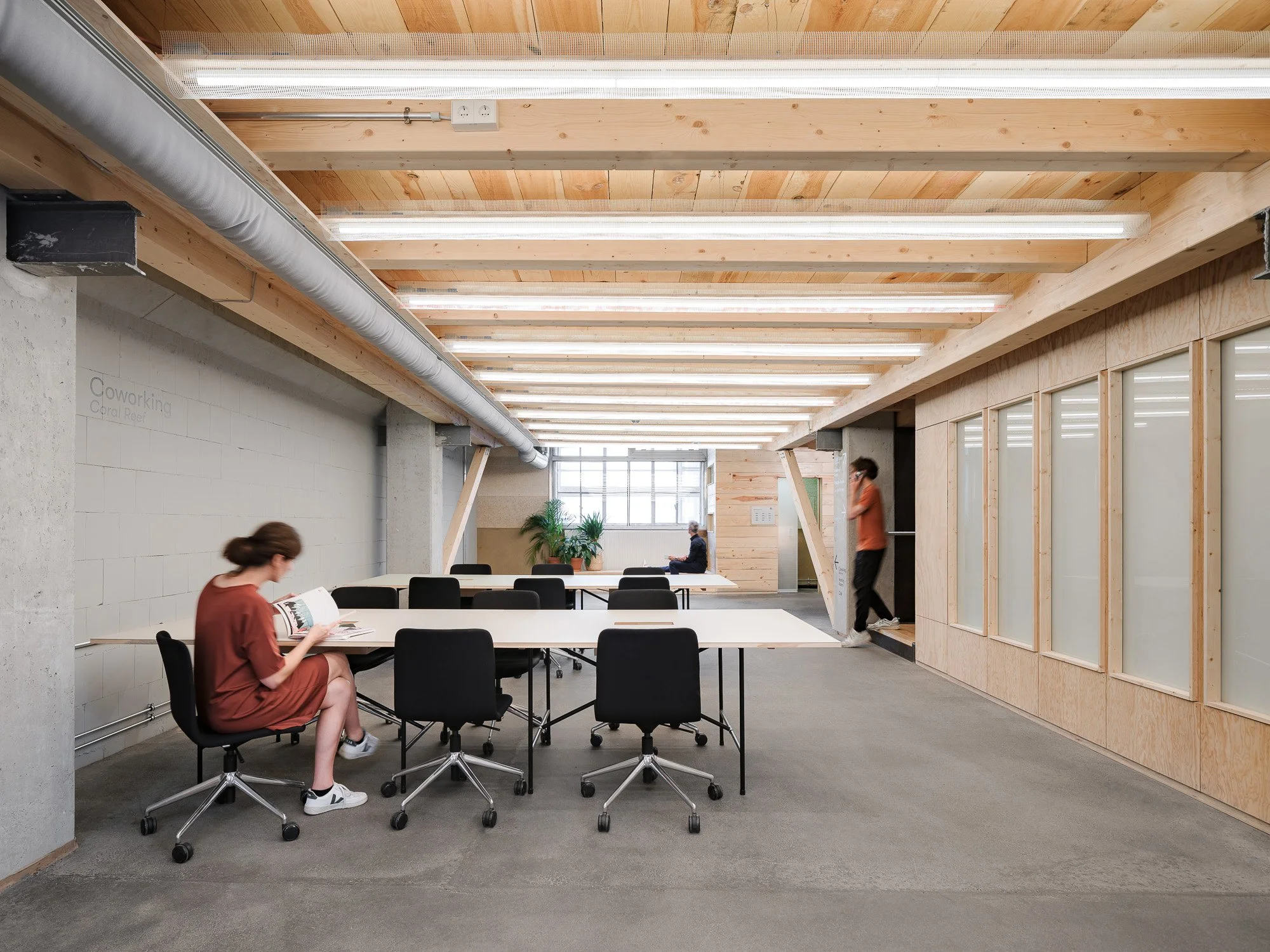
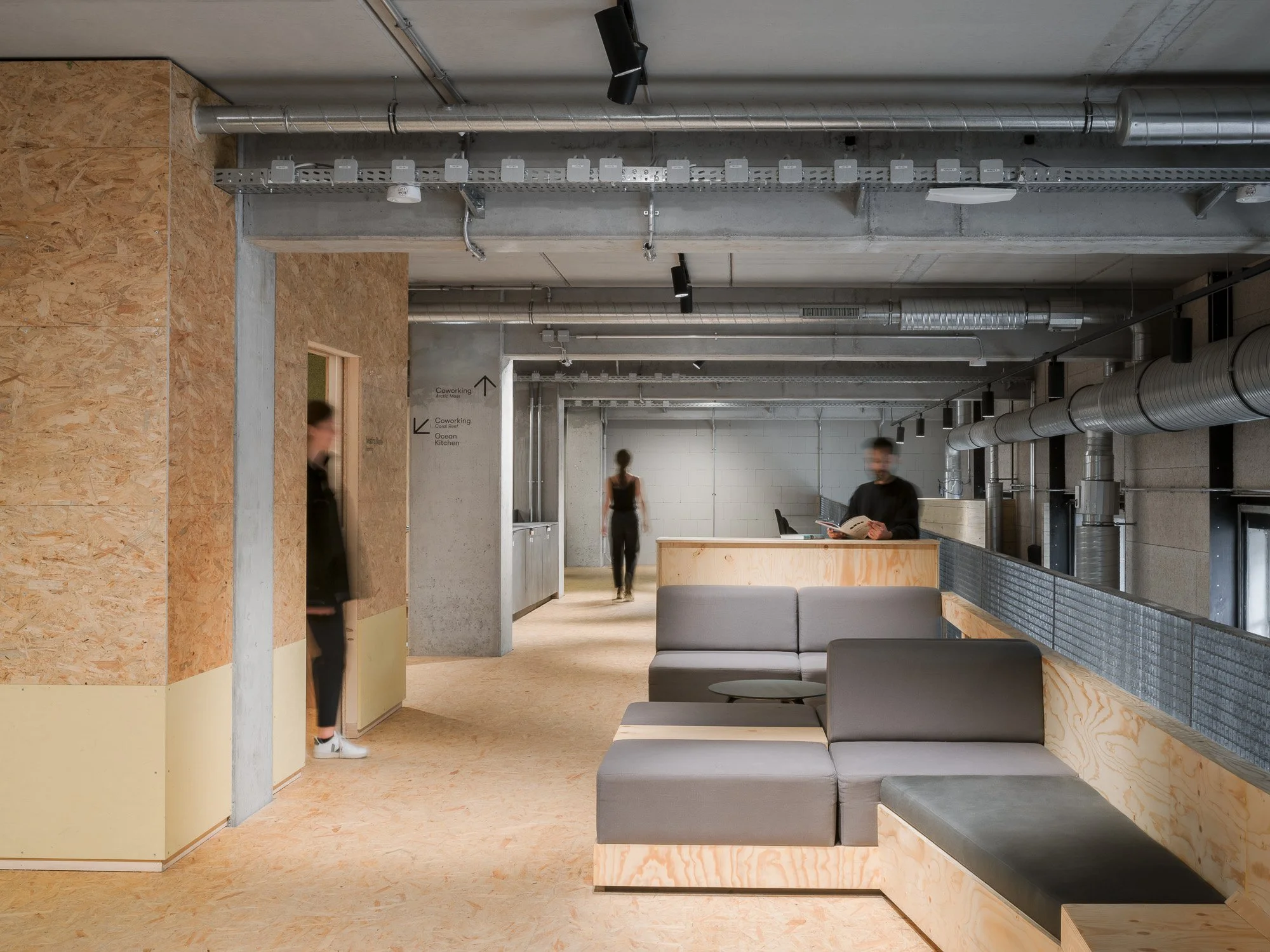
Located in a former warehouse on the historic Kindl Brewery site in Berlin-Neukölln, the CRCLR House is a community-driven coworking and innovation space for startups and enterprises focused on circular economy, sustainable technologies and social impact. The project’s architecture preserves its industrial character while inserting new wooden galleries and flexible spatial zones for coworking, team spaces, meeting rooms, lounge areas and a public café.
Daylight Analysis and Control Strategy
Daylight planning was not an isolated study; it was part of a regulation-aware design process that informed both the spatial layout and the lighting controls.
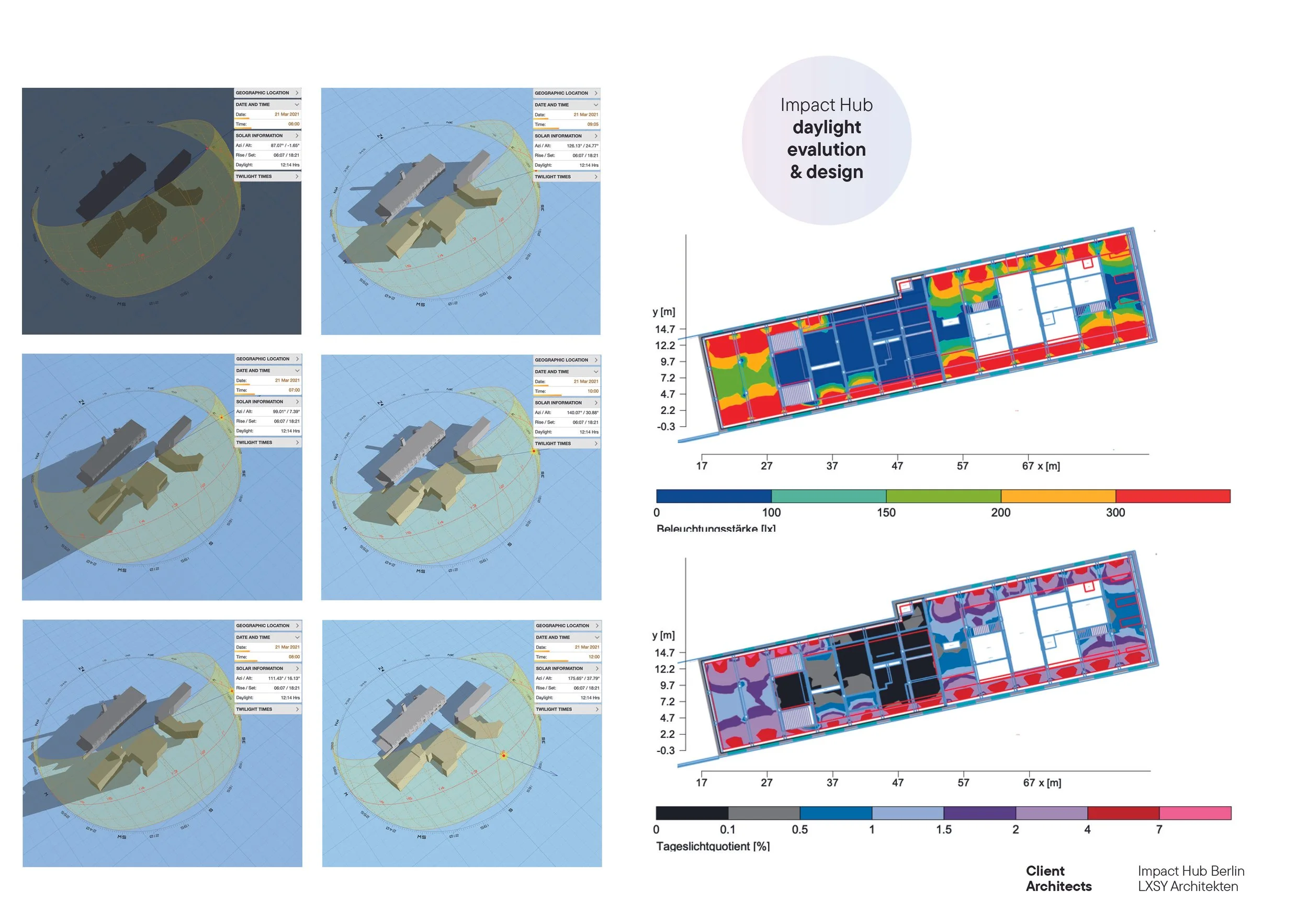
Daylight studies mapped natural light penetration throughout the building’s large open plan and deeper interior zones.
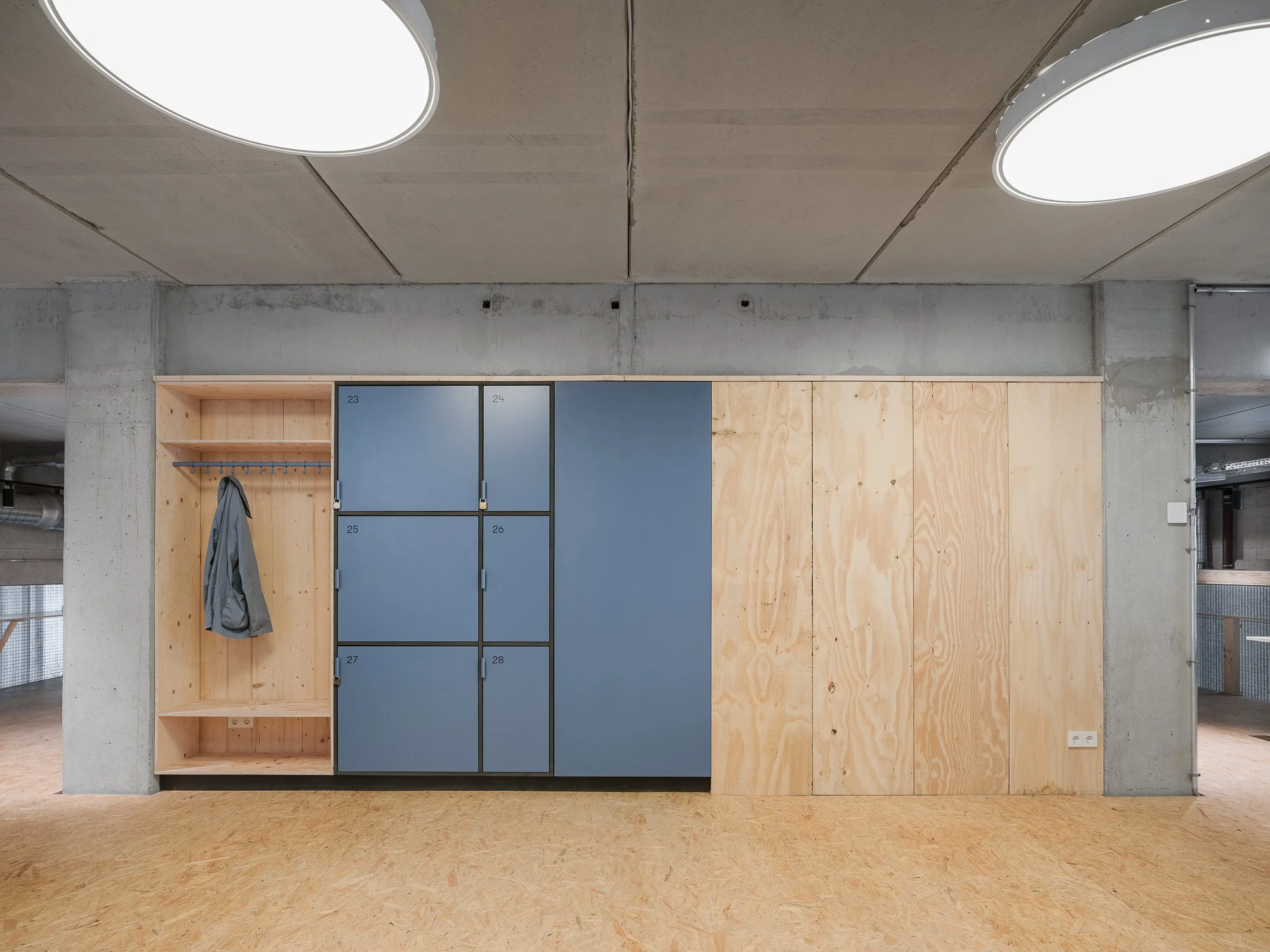
Where daylight levels were insufficient, artificial light was deployed in a complementary manner.
Results from daylight simulations were used to group luminaires into control zones with automatic timers and daylight-responsive switching logic, reducing energy demand and increasing comfort.
This approach ensured that lighting systems respond to actual daylight availability, not fixed schedules, resulting in meaningful energy savings and a more adaptable spatial environment.
How Daylight Studies Are Developed
Daylight studies at Studio De Schutter follow a structured, methodical workflow that combines architectural understanding with simulation-based analysis. The process is designed to translate spatial intentions into measurable daylight performance while remaining closely aligned with regulatory requirements and real-world use.
We begin by carefully reading the building in its context. This includes the surrounding urban fabric, neighboring buildings, street widths and open spaces, as well as the project’s orientation, massing and intended use. This contextual understanding forms the foundation of the study and ensures that daylight is evaluated as part of the architectural and urban environment rather than as an isolated technical parameter.
Key steps in our daylight study workflow include:
Analysis of orientation, site constraints and surrounding massing
Evaluation of facade openings, window proportions and glazing strategies
Assessment of room depth, ceiling heights and spatial layout
Definition of relevant use scenarios, such as workspaces, circulation areas or communal zones
Based on these parameters, a detailed digital model is developed that accurately represents both the geometry of the building and the conditions that influence daylight access. This model allows different design assumptions to be tested and compared in a reliable and transparent way before key decisions are fixed.
Using these models, daylight performance is simulated across different times of day and throughout the year.
Simulation outputs are used to:
Identify areas with insufficient daylight penetration
Detect zones with potential glare or overexposure
Evaluate the balance between daylight availability and visual comfort
Compare alternative design scenarios and facade configurations
The results of these evaluations are then translated into clear design guidance. This may include recommendations regarding window sizing, façade articulation, shading strategies or spatial adjustments, all aimed at improving daylight quality without compromising architectural intent.
The outcome of this process is not only proven compliance, but informed design decisions. Daylight studies become a strategic planning tool that brings clarity to complex projects, supports approval processes and ensures that spatial quality, comfort and performance are aligned from the earliest stages onward.
Why Working with Studio De Schutter Makes the Difference
Many daylight related problems never need to occur. They are rarely caused by missing technology or limited budgets, but by planning processes that start too late or treat daylight as a purely technical requirement. Avoiding these issues requires a holistic and early approach to daylight.
At Studio De Schutter, daylight is never treated as a secondary layer or a regulatory afterthought. Daylight studies are developed from the very beginning as an integral part of the spatial concept. We start by reading the building in depth – its architecture, its context, its users and its daily rhythms. Only once these layers are understood do analytical models and simulations come into play.

By combining architectural reading, simulation based analysis and regulatory expertise, we help avoid costly revisions, late stage compromises and spatial shortcomings. The result is daylight that feels natural and effortless, while remaining technically sound and approval ready.
Good daylight planning does not compete with architecture. It completes it.
Contact Us:
