

Lighting Design Tips: How to Plan Lighting Correctly from the Start
Light is often only considered once everything else has already been decided.
The floor plan is set. Materials are chosen. Furniture is planned.
And then comes the question: where do we still place the lights?
This is exactly where the problem begins.
Because light is not a decorative afterthought.
It is a central design element that determines how a space is perceived, how it functions, and above all, how it feels.
Whether it’s a private home or an office.
Those who integrate lighting from the beginning don’t just change visibility.
They transform the entire atmosphere.
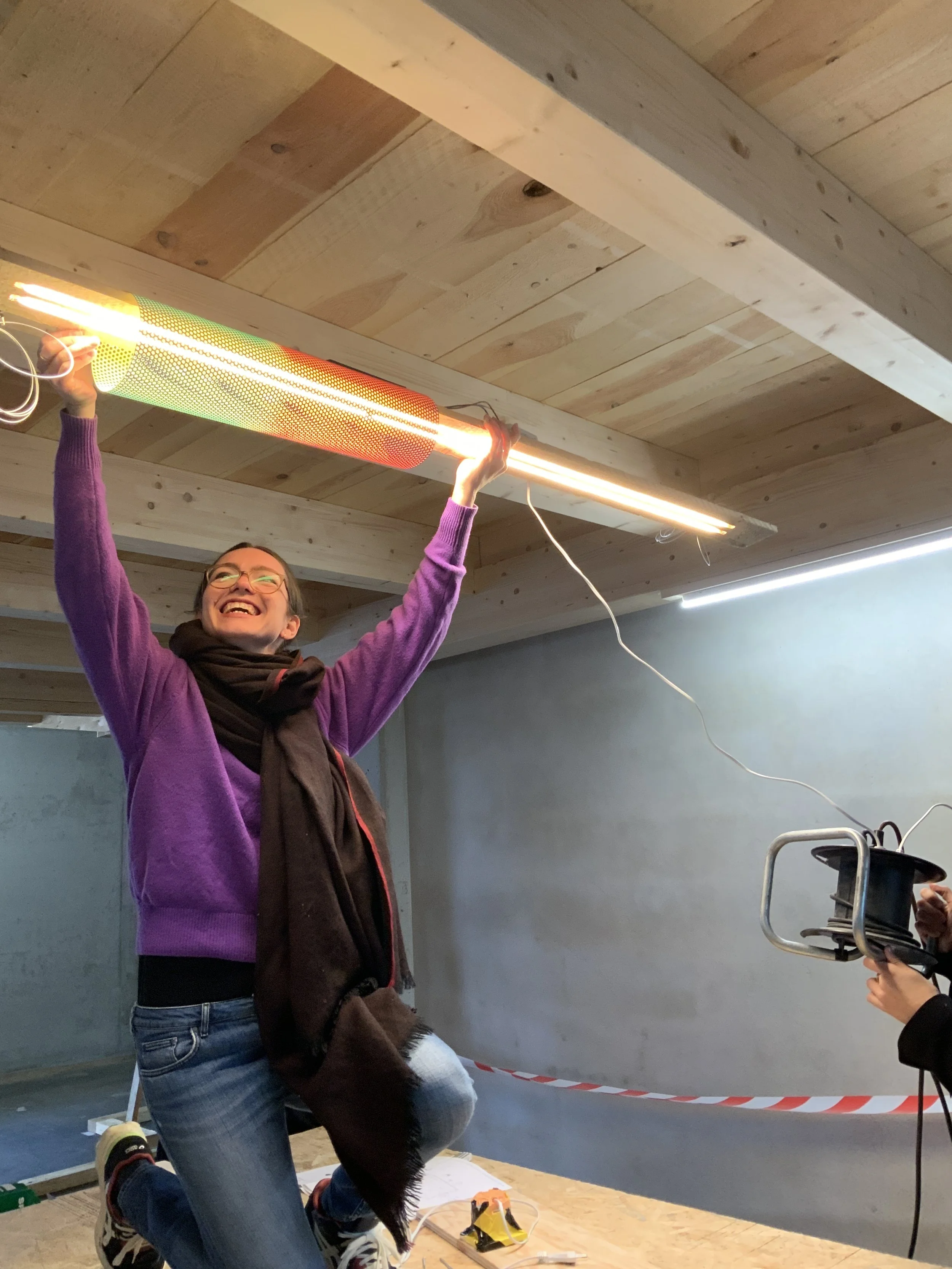
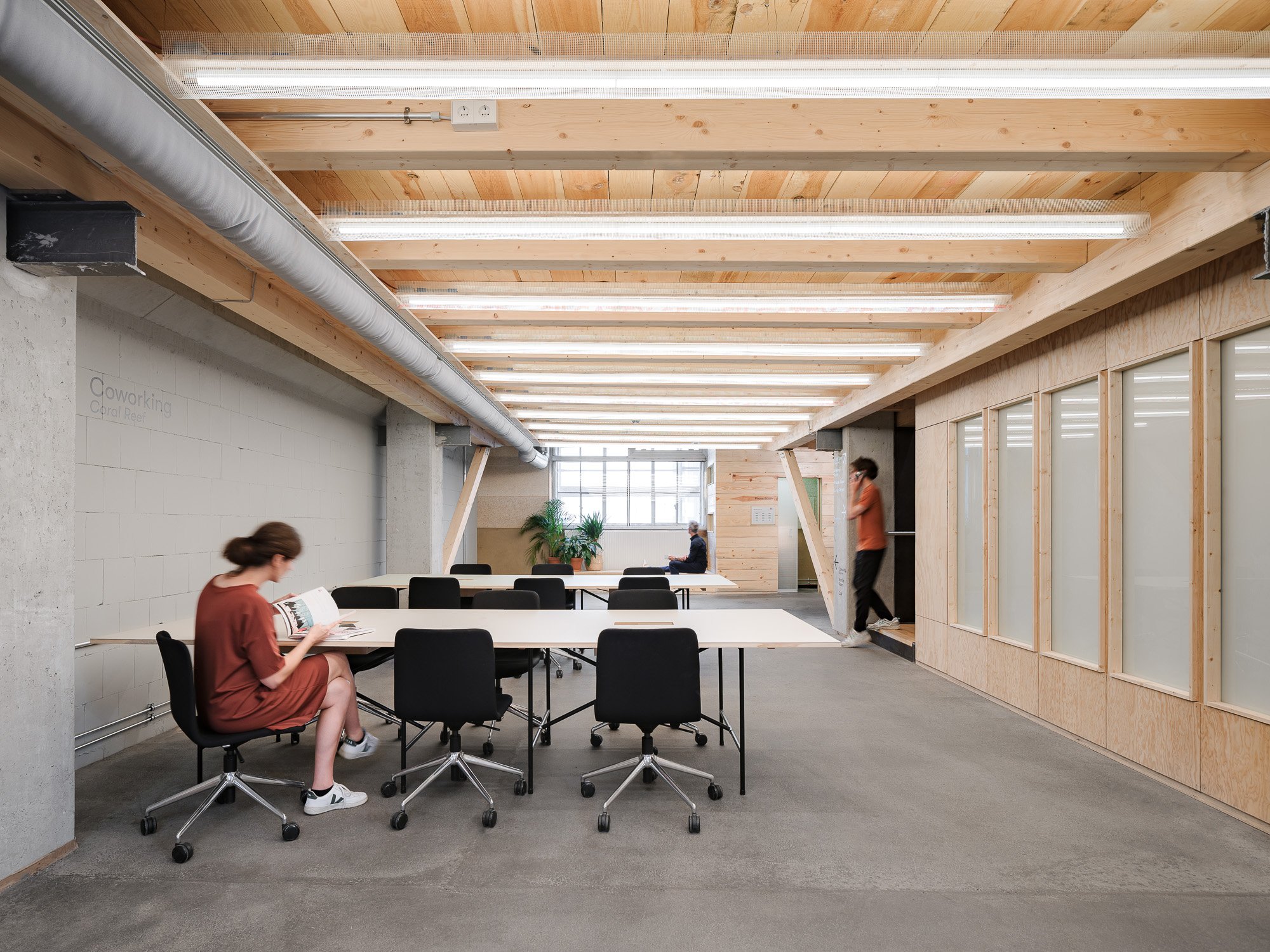
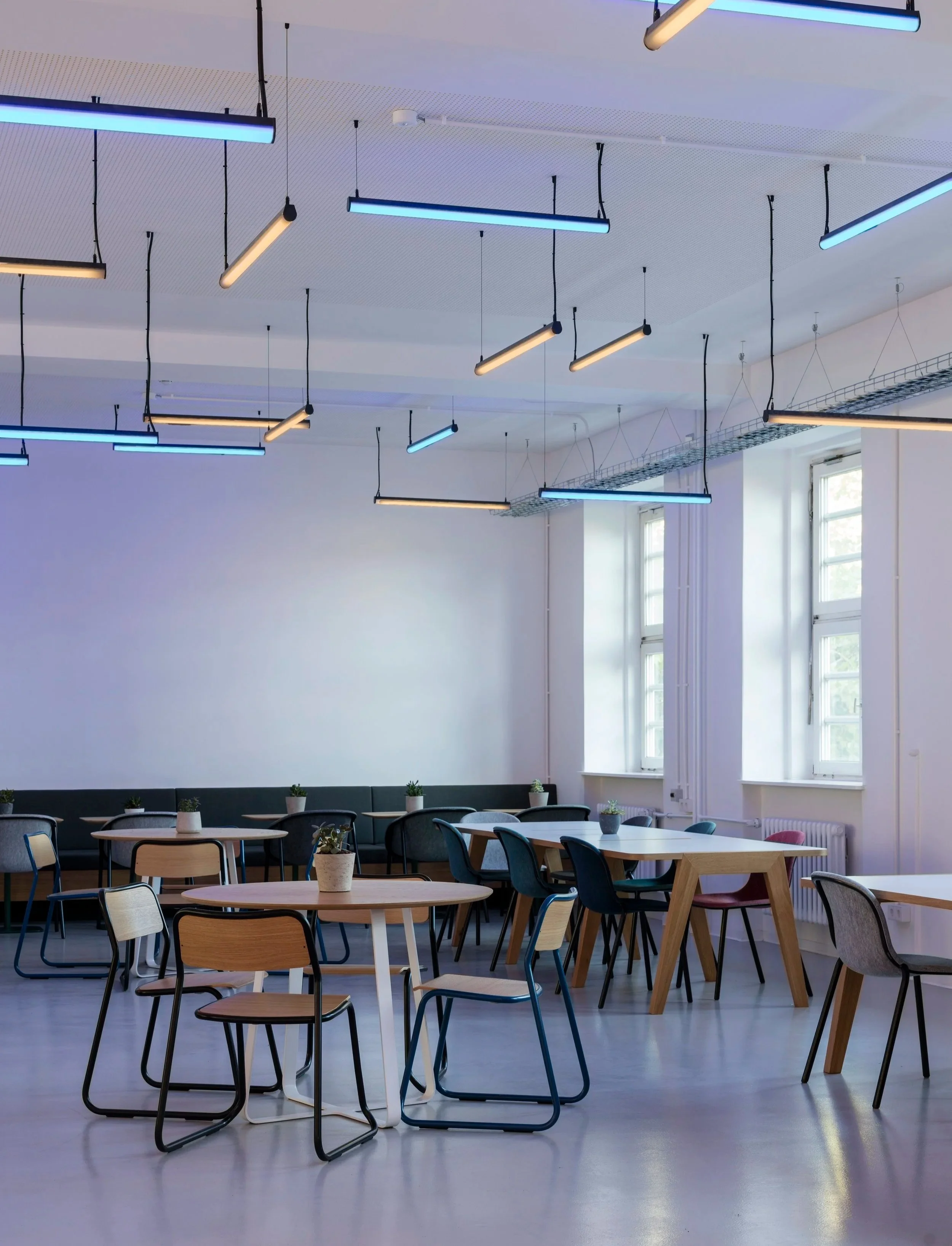
Use comes first. Light follows how a space is lived.
One of the most common misconceptions in lighting design is the idea that a space mainly needs “enough light.” In reality, a space needs the right light, at the right time, in the right place.
Because lighting is not planned for floor plans.
Lighting is planned for situations.
A dining area might be a circulation zone during the day, a social focal point in the evening, and a workspace on weekends. A bedroom can be a retreat, a dressing area, and a reading space at the same time. A hotel room has to convey calm, orientation, comfort, and quality within just a few square meters. If light is distributed evenly, these shifts are ignored.
That’s why professional lighting design always starts with questions that have nothing to do with luminaires:
• How is the space actually used?
• Which activities take place in the morning, during the day, and in the evening?
• Where do people spend time, and where do they only pass through?
• Which zones require focus, and which should remain understated?
The concept emerges from these answers.
Some areas need visual presence.
Others can intentionally stay in the background.
Not every corner needs to be equally bright.
Not every function requires its own fixture.
That’s exactly where quality lies.
A well-designed space explains itself through light. Paths become intuitive. Zones feel natural. The eye is guided—without the user ever noticing it.
Plan transitions, not just light points
Many lighting concepts think in positions.
A spotlight here.
An outlet there.
Another pendant above the table.
Technically, this may work. Spatially, it often remains superficial.
Because architecture doesn’t live from isolated points, but from transitions. From thresholds. From edges. From surfaces that relate to each other. That’s exactly why lighting design becomes powerful when it doesn’t just add individual light sources, but reveals spatial relationships.
A corridor doesn’t improve simply by being bright. It improves when the transition between arrival and movement becomes legible. A living space doesn’t benefit from more spots, but from a distribution of light that connects different zones without harsh separation. A hotel bathroom feels more refined when light is not just installed, but composed along mirrors, walls, and material transitions.
This is where the real connection between architecture and light becomes visible:
• Light can make spatial sequences legible
• Light can elongate or calm proportions
• Light can visually relieve low areas
• Light can create openness without evenly flooding everything
This way of planning is more subtle.
But significantly more effective.
You don’t just see the luminaire.
You understand the space better.
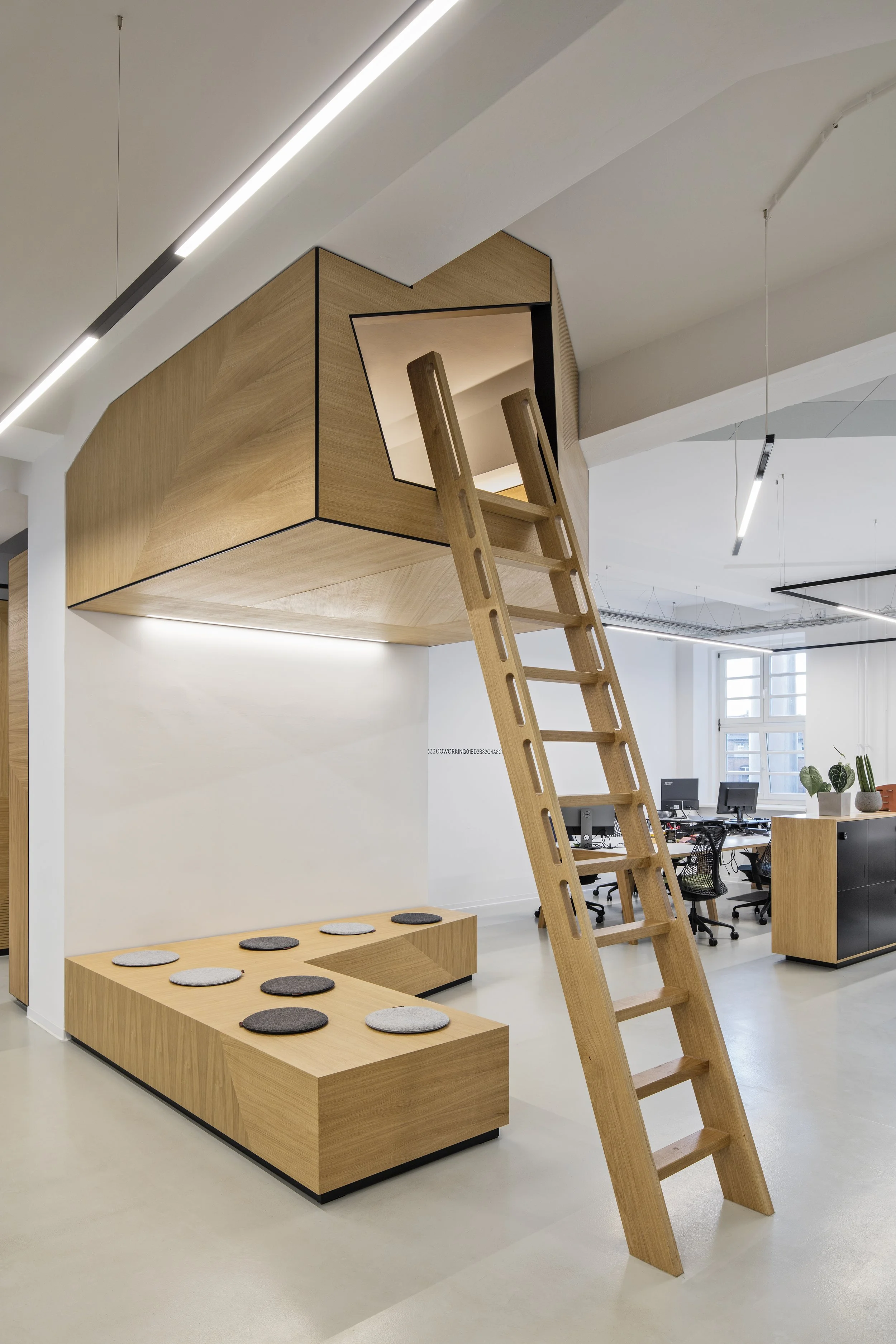
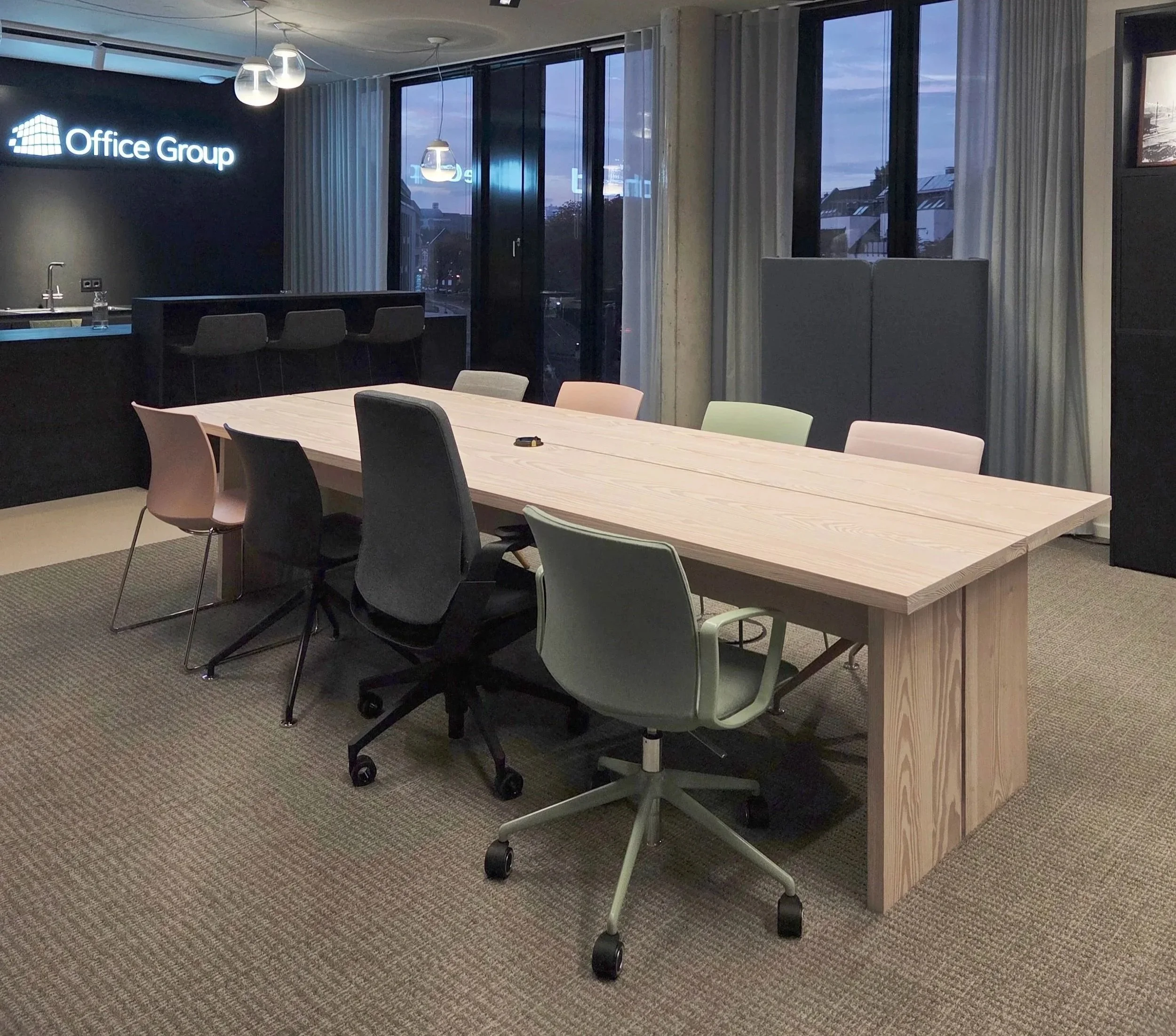
The conscious choice of color temperature
Light is not neutral.
It directly influences how we emotionally perceive spaces and how our body responds to them.
Color temperature plays a central role in this.
Warm white light, in the range of around 2200 to 2700 Kelvin, supports relaxation and creates a calm, comfortable atmosphere. More neutral or cooler light tones, on the other hand, feel more activating and increase alertness.
In planning, this means:
A space doesn’t need just one light color.
It needs coordinated lighting moods.
Warm tones tend to dominate in living areas.
In functional zones, the light can be clearer.
Transitions should be designed to feel smooth and natural.
This becomes even more refined with controllable systems that adapt throughout the day, supporting the natural rhythm.
Control and flexibility as the key to use
Spaces are not static.
They change throughout the day and depending on how they are used.
A space can be functional in the morning, active during the day, and calm in the evening.
The lighting needs to be able to respond to these shifts.
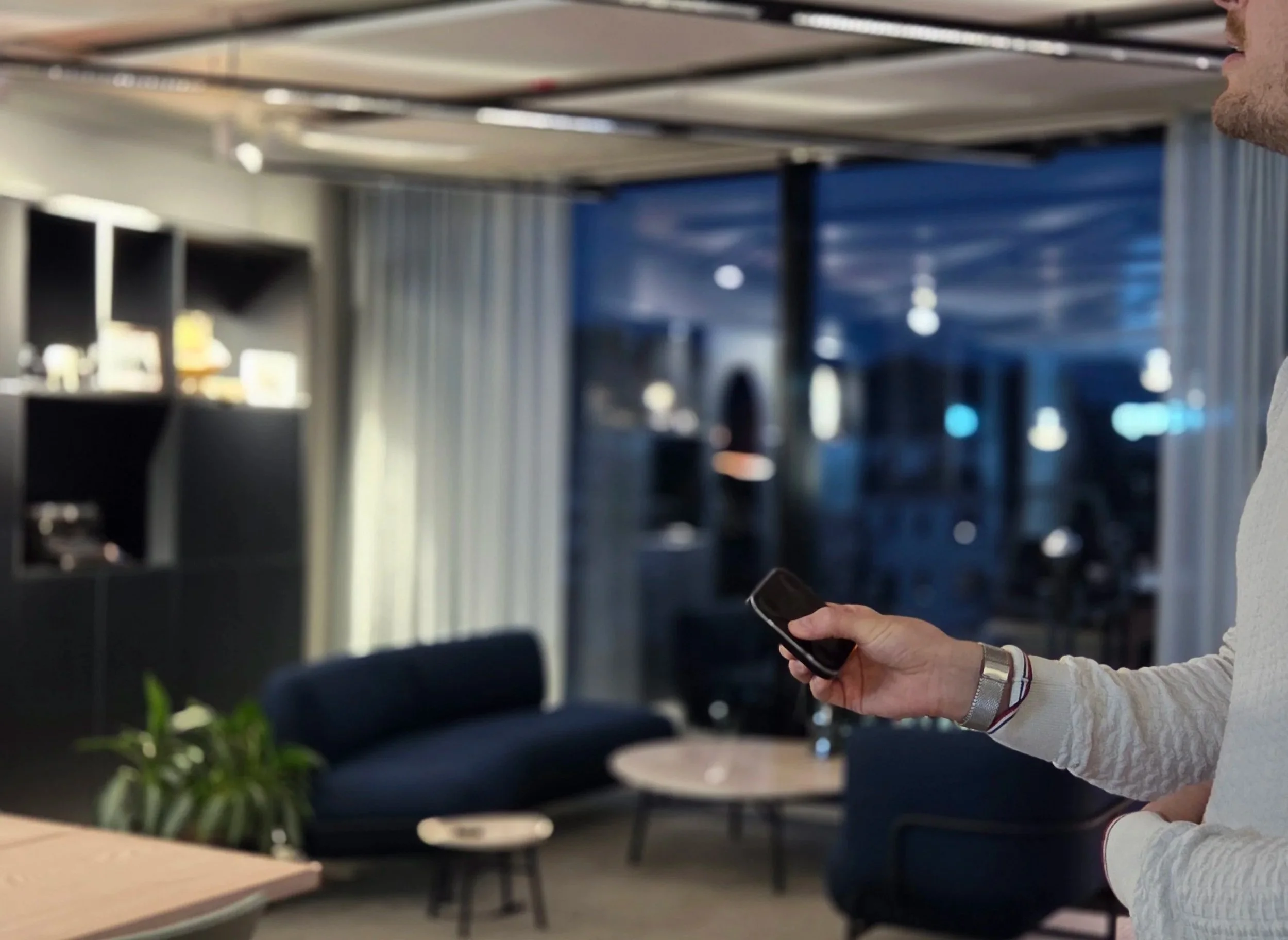
That’s why control is not a technical extra, but an integral part of modern lighting design.
Dimmability allows adaptation to different situations.
Predefined scenes create clear usage states.
Zoning makes it possible to control individual areas independently.
This creates a space that can transform with minimal effort.
Lighting Design Checklist ✓
If you can answer the following points for your project, you are already operating on a level where lighting is no longer just an addition, but actively shapes the space. This checklist is not a rigid set of rules. It is a tool to identify typical weaknesses early—before they are built.
01Define Use First
Lighting is not planned for rooms. Lighting is planned for situations.
Before discussing luminaires, it must be clear how the space is actually used. Not idealized, but in everyday life.
Is this a place for working, relaxing, communicating, or just passing through? How do these uses change throughout the day?
Only from these answers does it become clear what kind of light distribution, intensity, and control make sense.
02Integrate Lighting Zones into the Floor Plan
Good lighting design does not start with the luminaire, but with the plan.
The floor plan should already show which areas carry visual weight and which can intentionally remain in the background.
This creates clear lighting zones that provide orientation, instead of uniform brightness without hierarchy.
At the same time, technical requirements can be integrated early:
- Recess depths for ceilings
- Positions for coves and indirect lighting
- Clean line guidance for light profiles
If considered too late, visible compromises are almost inevitable.
03Plan Spatial Effect, Not Just Brightness
The key question is not: How bright should the space be?
But: How should it feel?
Calm, open, focused, intimate, or representative— each of these effects requires a different lighting strategy.
Uniform brightness creates clarity. Directional light creates tension. Indirect light creates calm.
Good lighting design combines these qualities deliberately, instead of illuminating everything evenly.
04Coordinate Color Temperatures Intentionally
Light color is often chosen in a simplified way. Warm or neutral, depending on taste.
In reality, every space reacts differently. And so does every material.
Warm light supports relaxation and depth. More neutral light enhances clarity and function.
What matters is not a single light color, but how different tones interact within the space.
Transitions should be soft. Contrasts should be intentional.
05Evaluate Visual Comfort
Glare is only the most visible part of a larger issue.
Harsh contrasts, overly bright points, or poorly lit surfaces can also make spaces feel restless and exhausting.
What matters is how comfortably the eye can move through the space.
- Are bright and dark areas balanced?
- Are there unnecessary visual distractions?
- Is the view guided or disturbed?
Visual comfort is not a detail. It defines the perceived quality of a space.
06Consider Materials Together with Light
Light always unfolds its effect on surfaces. And this is exactly where it is decided whether a space feels calm or restless.
Matte materials diffuse light softly. Wood adds warmth. Textiles reduce visual hardness.
Glossy or hard surfaces, on the other hand, intensify reflections and make every inconsistency visible.
Therefore: Material selection is always part of lighting design.
07Integrate Control from the Beginning
Spaces change. Throughout the day, through use, through mood.
Lighting must be able to respond.
Dimming, scenes, and zoning are not extras, but essential for flexibility.
- Task lighting in the morning
- Reduced brightness in the evening
- Targeted accents for atmosphere
Without control, light remains static. And therefore often wrong.
08Plan Maintenance and Lifecycle
Good lighting design does not end with installation.
It thinks further. In years, not in moments.
Can components be replaced? Are drivers accessible? Does the system remain viable long-term?
Sustainability is not only reflected in efficiency values, but in the longevity of a concept.
Planning always includes responsibility for operation.
Lighting Design with Studio De Schutter
At Studio De Schutter, we do not see lighting as a technical discipline that is added at the end of a project.
We understand light as an integral part of architecture and perception.
This means we engage from the early stages of a project, make relationships visible, and develop solutions that are functional, aesthetic, and sustainable at the same time.

Our work always moves between two poles:
Technical precision and emotional impact.
Clarity in planning and depth in atmosphere.
This is how spaces are created that not only function, but develop a distinct identity.
Contact Us:
