

A space doesn’t begin with walls.
It begins with impact.
And this is exactly where lighting design starts.
Not at the end, but right at the beginning.
Those who plan early gain clarity.
Those who plan late end up correcting.
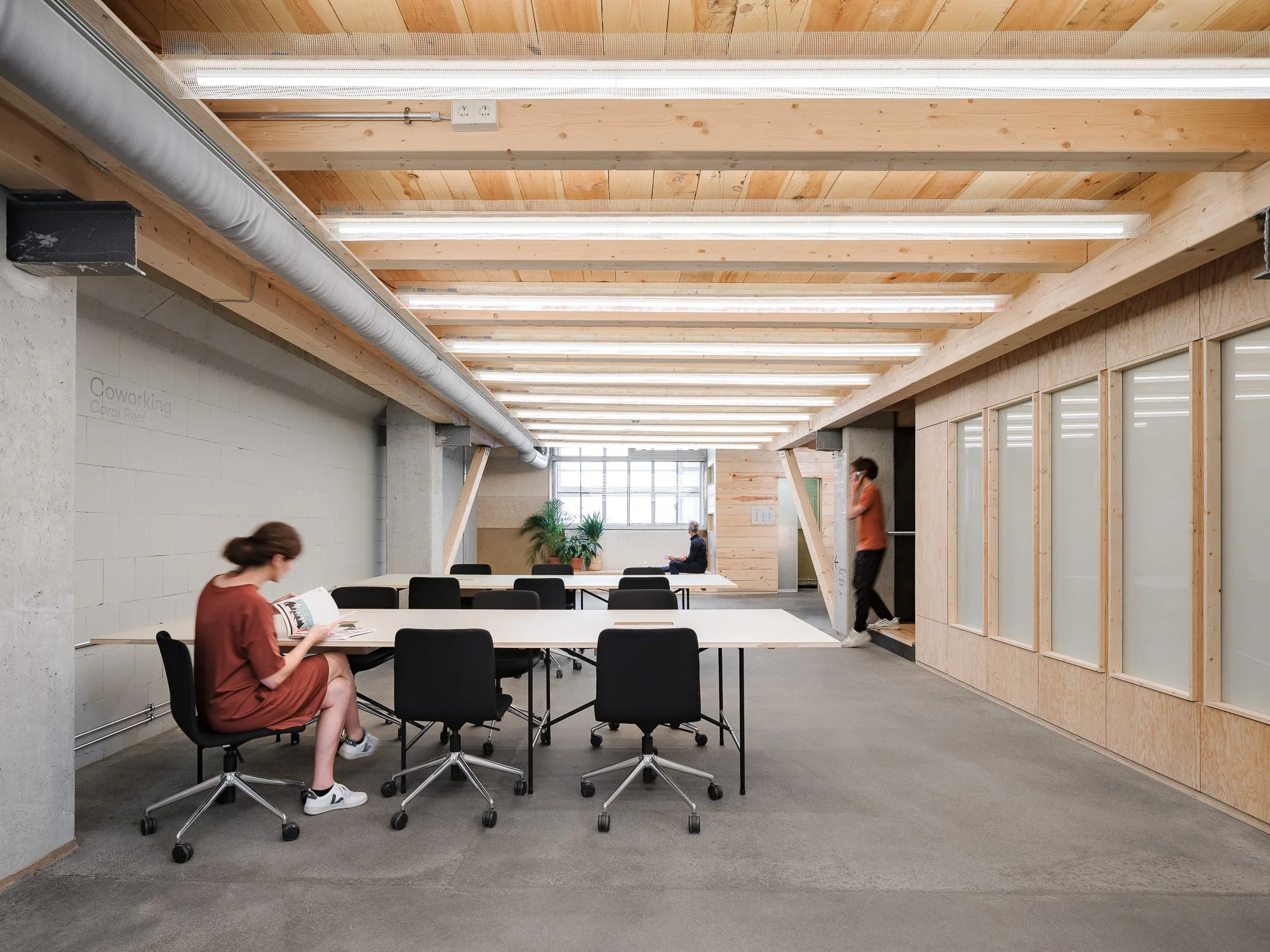
Why Lighting Design Is More Than “Bright Enough”
Many decisions in the building process are visible. Materials. Colors. Forms.
Lighting often remains invisible—until it’s missing.
Or wrong.
Good lighting design goes further:
How does a person move through the space?
Where do focal points emerge?
Which functions overlap in everyday life?
How does the space change throughout the day?
Lighting is not an add-on.
It is structure.
The Consultation Process: Step by Step
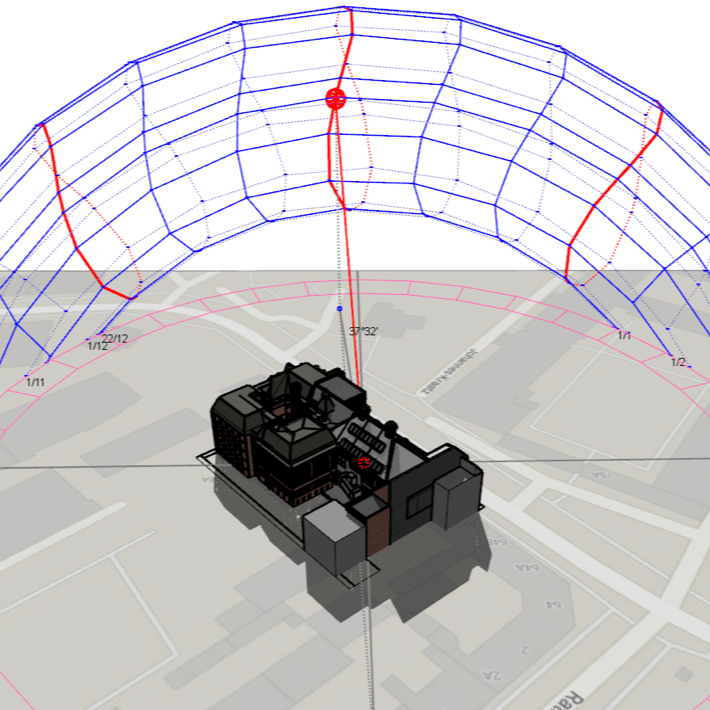
1. Understand Before You Design
At the beginning, it’s not about the fixture, but about the space itself, its use, its architectural language, and the question of how people will later move through it, orient themselves, and spend time in it. Only when these relationships are truly understood can lighting become more than a purely technical addition and instead actively support daily routines while making the space clearly readable.
How is the space used?
Which routines shape everyday life?
What architectural qualities already exist?
This is where the foundation is created.
Not on paper, but in the mind.
Only when these questions are answered honestly does an idea turn into a solid concept—one that not only looks good, but actually works in everyday life and feels natural.
2. Concept Instead of Isolated Decisions
A strong lighting concept is not based on individual products or spontaneous choices, but on interconnected layers that support each other and give the space exactly the clarity it needs, allowing function, design, and visual guidance to work as one.
Ambient light for orientation
Accent lighting for focus
Atmospheric lighting for depth
These layers interact with each other.
Not additively, but as a system.
Lighting works best when you don’t consciously notice it—
but simply feel that it’s right.
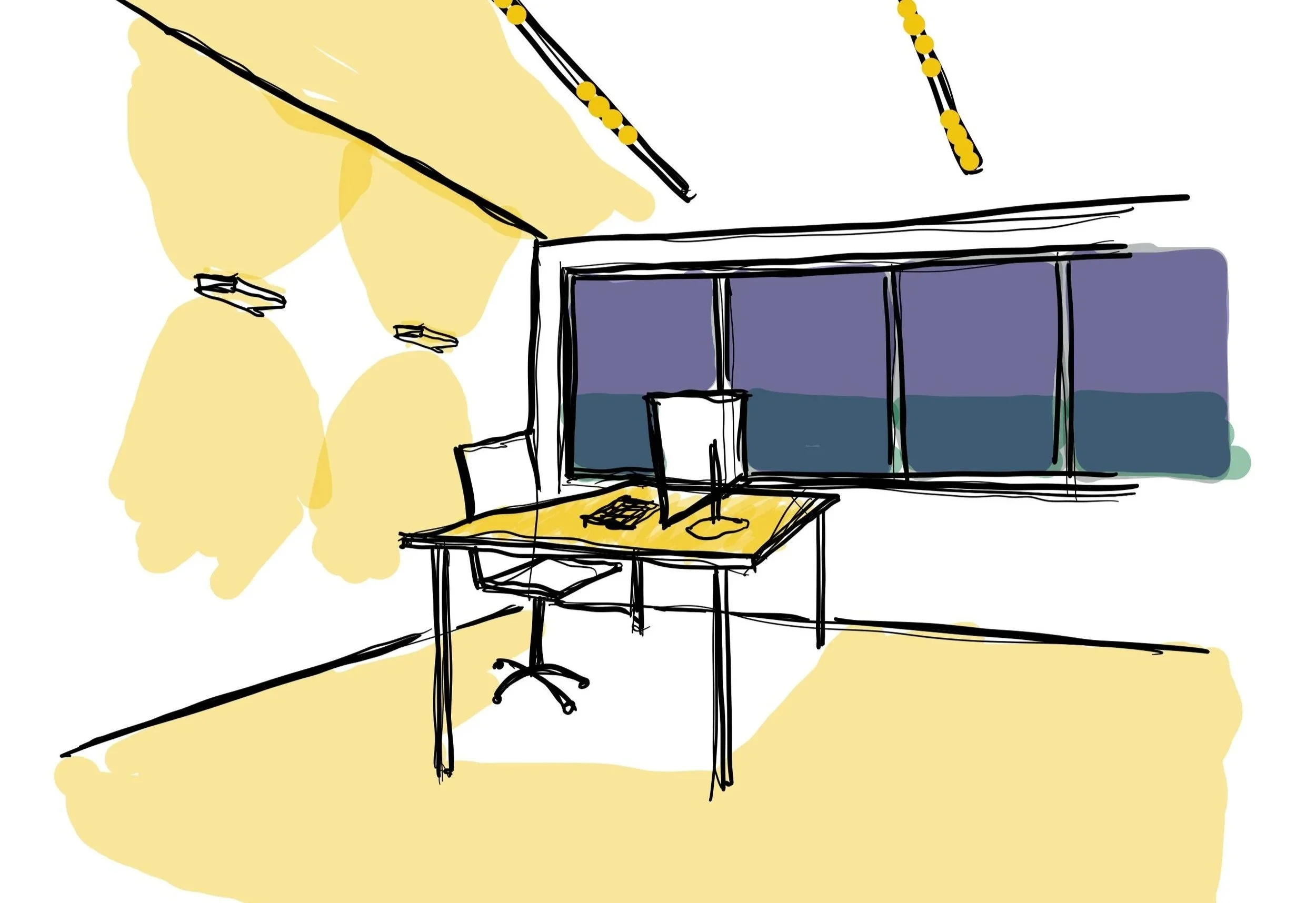

3. Technology That Stays in the Background
Modern lighting design is technically precise, but this precision should never push itself into the foreground. At its best, it ensures that a space simply works, without constantly drawing attention to glare, incorrect light colors, or inflexible controls.
Glare-free lighting becomes a given
Light colors adapt to use and time of day
Controls enable flexible scenarios
Technology is a means to an end.
Never an end in itself.
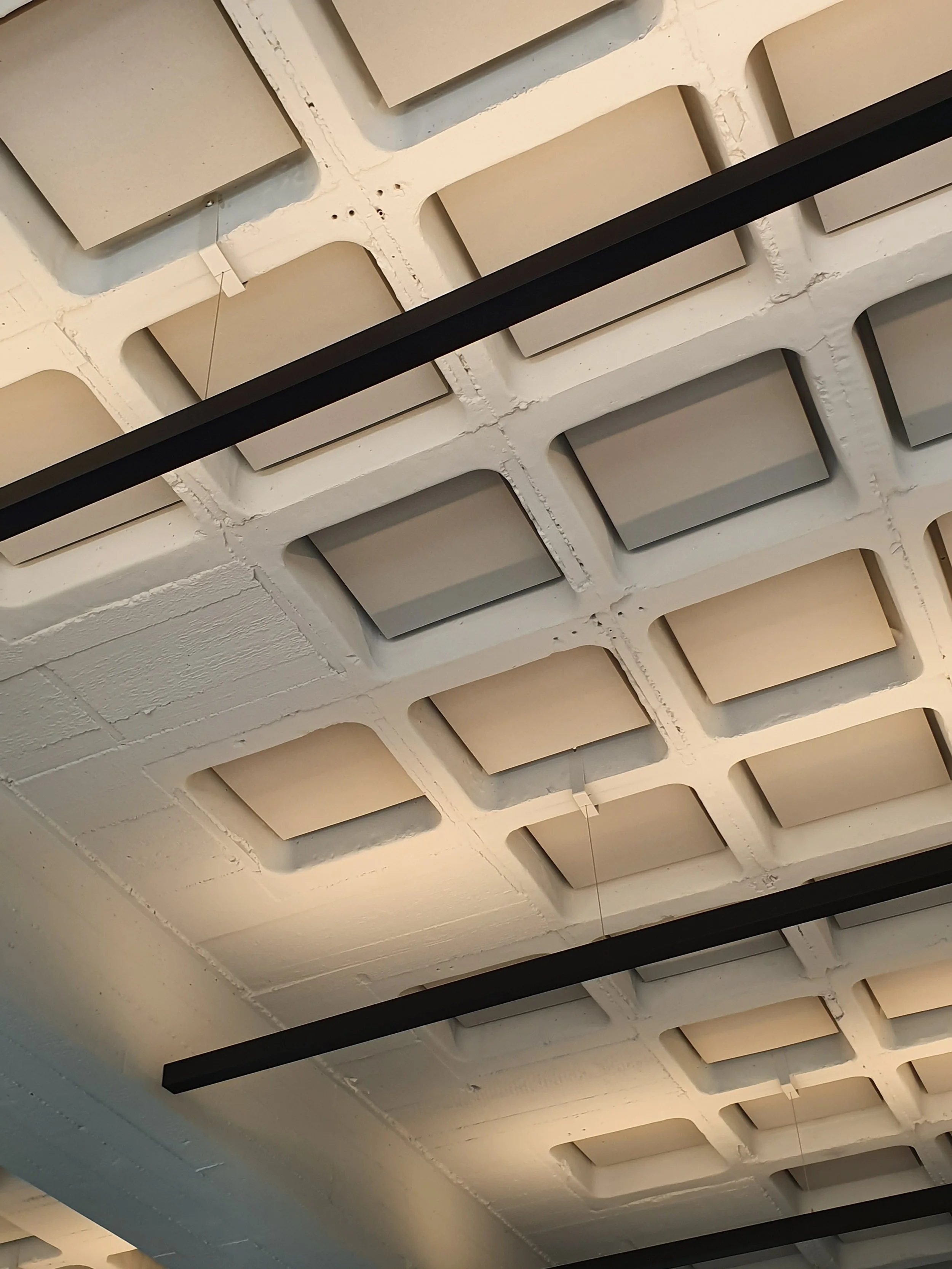
4. Integration into Architecture
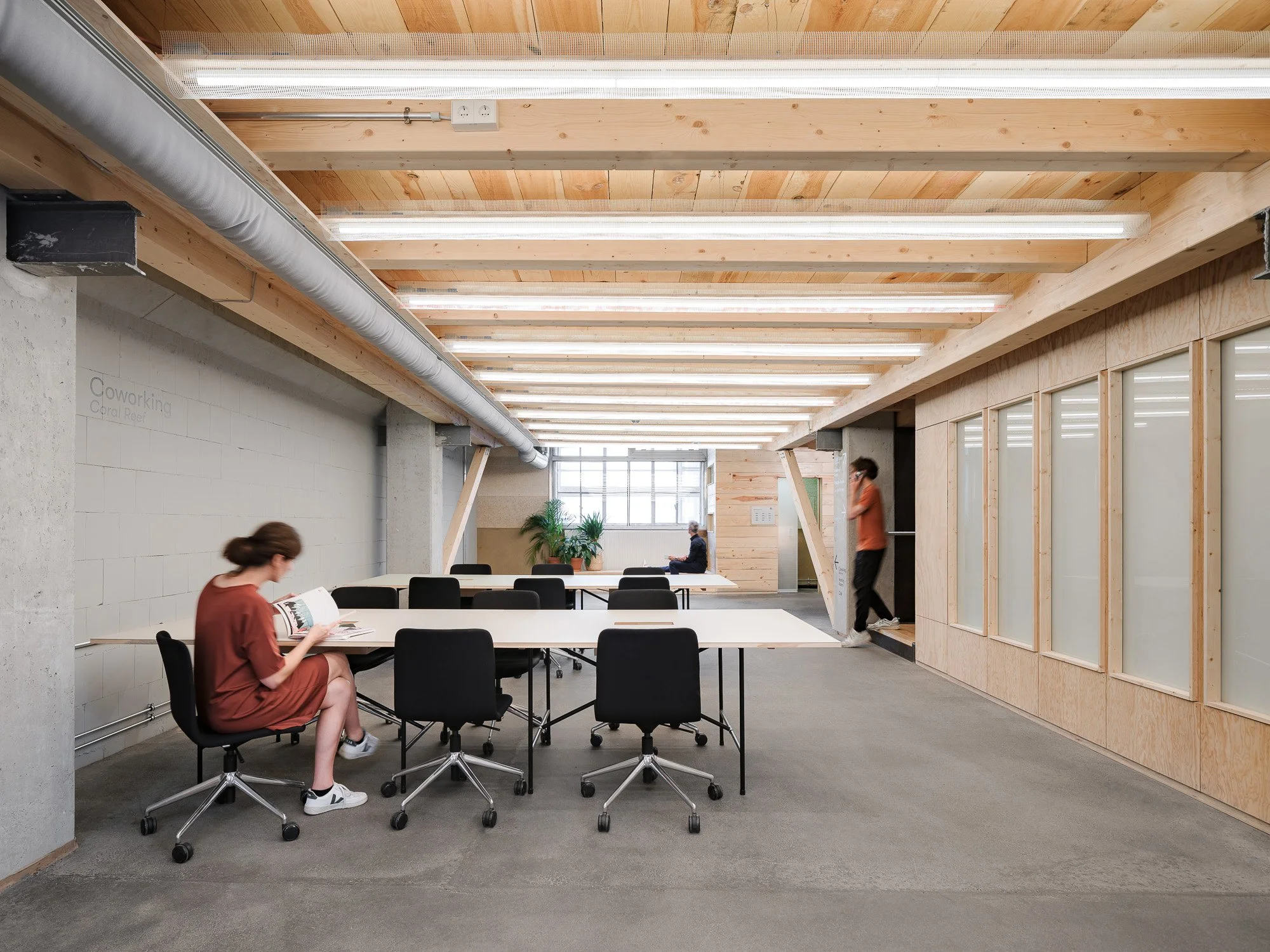
The quality of lighting design becomes most evident when light does not feel like a later addition, but is considered from the very beginning as part of the architecture, so that proportions, lines, materials, and spatial perception speak the same language and reinforce each other instead of existing separately or even creating visual conflict.
Integration instead of attachment
Lines instead of isolated points
Light as part of the spatial geometry
It is especially in the early planning phase that the key decisions are made, because only then can lighting be truly integrated into ceilings, walls, and structures, rather than being added later as a compromise that may function, but never achieves the same level of clarity.
This is where quality emerges.
When lighting and architecture are not treated as separate elements.
Common Mistakes Without Lighting Design ✓
Most problems don’t come from major mistakes, but from small decisions that add up over time. This checklist highlights what really matters—and where spaces often lose quality.
01Too few light sources planned
A single light point is rarely enough to structure a space clearly and evenly.
Typical consequences:
- Harsh shadows
- Uneven lighting
- Important areas remain too dark
More light sources don’t mean more brightness—but more control.
02Wrong light color selected
Light color strongly affects how materials and spaces are perceived.
Typical issues:
- Spaces feel cold or visually unsettled
- Materials lose depth
- Colors appear distorted
The right light color defines the overall perception of a space.
03No clear zoning
When everything is lit the same way, the space loses structure and clarity.
Typical effects:
- No hierarchy within the space
- Key areas get lost
- The space feels flat
Light should differentiate—not treat everything equally.
04Lack of control and flexibility
A space changes throughout the day—lighting should adapt accordingly.
Typical limitations:
- Only one setting for all situations
- No adjustment to usage or time of day
- Inflexible switching logic
Without control, even good lighting remains underused.
The result is rarely catastrophic. But almost always a missed opportunity.

New Build, Renovation or Existing Space: The Right Timing
The best moment for lighting design is earlier than most people expect.
Ideal:
During the design phase
Before electrical planning
Before material decisions
Reality:
Even in existing spaces, a lot can be improved.
With targeted interventions. With a clear concept.
Planning Defines Impact
Lighting design consultation is not an additional decision to be handled at the end of a project, but a central part of architectural quality, because it shapes how spaces are perceived, how well they function in everyday life, and how clearly their design intent can actually be experienced.

Those who plan early and deliberately are not simply investing in lighting, but in a spatial outcome that feels clearer, more refined, and more convincing—because light is not left to chance, but conceived as an integral part of the overall concept.
Contact Us:
